U.S. Strikes on Alleged Drug Boats Push Death Toll to at Least 199 as Recent Survivors Vanish
The Trump administration's months-long campaign against suspected trafficking vessels in the Caribbean and eastern Pacific has now killed nearly 200 people. The Pentagon's watchdog is reviewing whether targeting rules were followed.
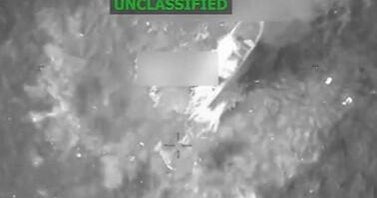
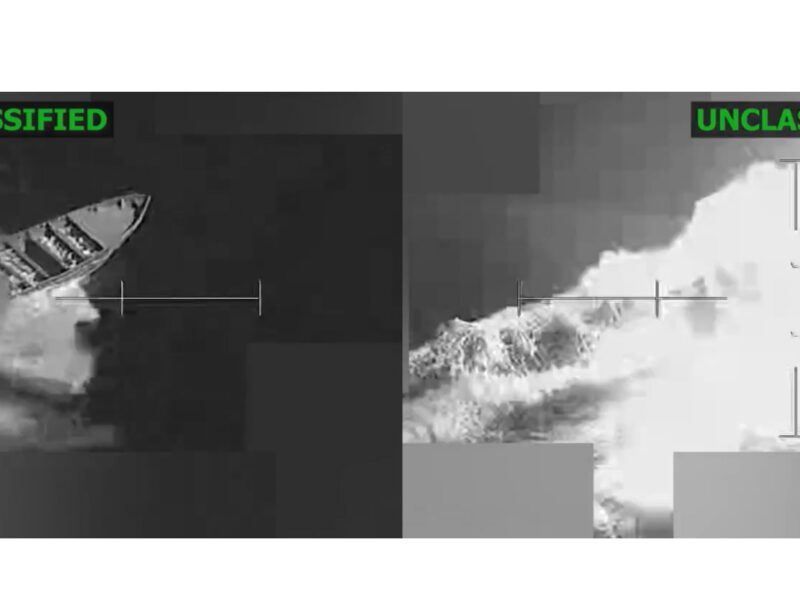
The death toll from the Trump administration's monthslong series of strikes on suspected drug-trafficking boats has risen to at least 199 people after survivors of recent attacks were not found, according to a tally of the campaign that began last September. The strikes, carried out in the Caribbean Sea and the eastern Pacific Ocean, have become one of the most lethal and legally contested uses of American military force in the hemisphere in years.
The updated figure includes at least 22 people who survived an initial strike only to be hit again or to die at sea, a pattern that has drawn particular scrutiny from human rights advocates and some members of Congress. Three people are known to have survived two separate strikes this month, including two who lived through an attack this week in the eastern Pacific before being lost.
The Trump administration has defended the operations by asserting that the United States is effectively at war with Latin American drug cartels, casting the vessels as legitimate military targets rather than civilian craft subject to law-enforcement rules. Officials have argued the campaign is choking off smuggling routes that funnel narcotics toward American shores, though they have released limited evidence about the specific boats destroyed or the people aboard them.
That secrecy is now the subject of an internal review. The Pentagon's watchdog said this month that it plans to examine whether the U.S. military followed an established targeting framework when carrying out the strikes — the kind of process meant to verify a target's identity and minimize unintended deaths before lethal force is used. The outcome could determine whether any of the strikes crossed legal lines.
What makes the campaign so difficult to scrutinize is the setting itself. The strikes have taken place far out at sea, in two vast bodies of water where independent journalists and human rights monitors cannot reach the wreckage, and where survivors — when there are any — are quickly out of reach. That has left the public reliant almost entirely on the administration's own characterizations of who was aboard and why each vessel was deemed a threat, with little outside confirmation of either.
Critics, including international law scholars, have questioned whether suspected traffickers in international waters can lawfully be killed without an attempt to interdict, board or arrest them. Supporters counter that the cartels' violence and reach justify treating them as armed adversaries. The dispute has unfolded with little public accounting, as the administration has declined to detail the rules of engagement governing the operations.
With the toll approaching 200 and the campaign showing no sign of slowing, pressure is building on the administration to disclose more about how targets are selected and what happens to those who survive an initial strike. For now, the strikes continue across two oceans, and the people killed remain, in most cases, unidentified to the public.