Trump Watched UFC Fight in Miami While Historic Iran Peace Talks Collapsed in Pakistan
The president said it didn't matter if a deal was reached, declaring 'We win, regardless,' as Vice President Vance's diplomatic mission failed after 21 hours of negotiations.
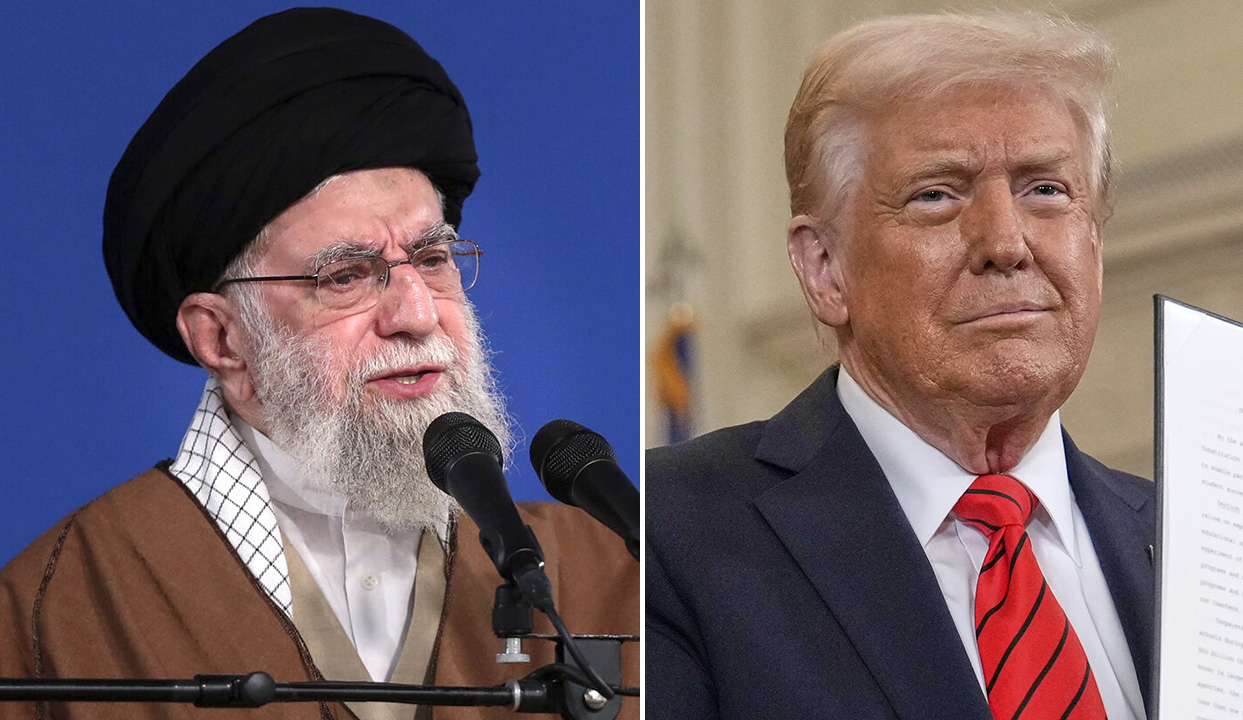
President Trump was attending a UFC fight in Miami on Saturday night when negotiations between the United States and Iran collapsed in Islamabad, Pakistan, after 21 hours of intensive diplomatic talks. The stark contrast between Trump's leisure activities and the high-stakes diplomacy unfolding half a world away has drawn criticism from foreign policy experts who questioned the administration's priorities during a critical moment in the Iran conflict. On his way to Florida, Trump told reporters that the outcome of the peace talks was irrelevant to him, stating confidently, "We win, regardless."
The president's casual approach to the diplomatic crisis stands in sharp contrast to the gravity of the situation facing Vice President JD Vance and the American negotiating team in Pakistan. The talks, which represented the first direct high-level diplomatic contact between the U.S. and Iran since the 1979 Islamic Revolution, were seen as a potential breakthrough moment in the escalating conflict. However, Trump's apparent disengagement from the process has raised questions about the administration's commitment to finding a peaceful resolution.
Trump's attendance at the mixed martial arts event while his administration faced one of its most significant diplomatic challenges has sparked debate about presidential leadership during international crises. Former diplomats and foreign policy analysts have noted that successful negotiations often require direct presidential involvement and that leaders typically remain closely engaged during such critical moments. The optics of Trump enjoying entertainment while American forces remain deployed in the region have not gone unnoticed by critics.
The president's "we win, regardless" comment suggests a confidence in military options that may have undermined Vance's negotiating position. Diplomatic experts argue that successful negotiations require at least the appearance of presidential investment in achieving a peaceful outcome. Trump's public statements indicating indifference to diplomatic success may have signaled to Iranian negotiators that the U.S. was not genuinely committed to finding a compromise solution.
The contrast between Trump's Miami evening and the failed Islamabad talks highlights broader questions about the administration's foreign policy approach. With global energy markets in turmoil and international allies calling for diplomatic solutions, Trump's decision to prioritize a sporting event over crisis management has drawn comparisons to previous controversial moments in his presidency. As the administration now faces what officials describe as "several unpalatable options" following the diplomatic failure, Trump's hands-off approach to the negotiations may have lasting consequences for America's strategic position in the Middle East.