Trump SEC Lets Musk Settle $150 Million Twitter Lawsuit for Just $1.5 Million
Dramatic 99% reduction in penalty represents one of the most lenient settlements in SEC history for disclosure violations.
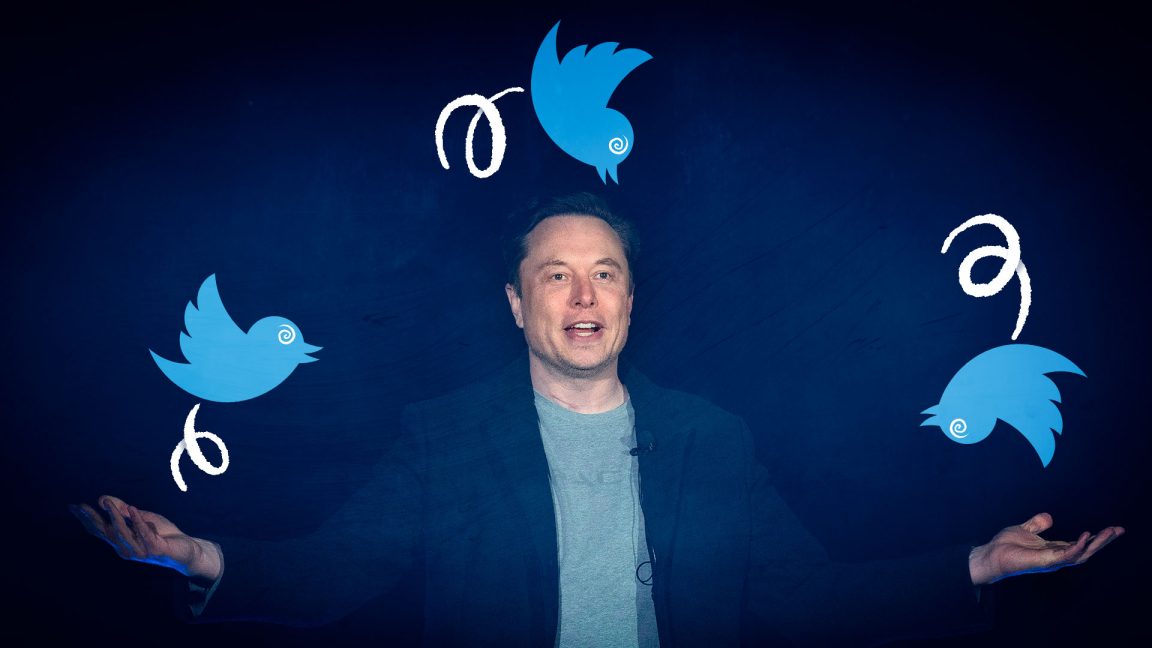
Elon Musk has reached a settlement with the Securities and Exchange Commission to resolve a $150 million lawsuit over his delayed disclosure of Twitter stock purchases, paying just $1.5 million under the Trump administration's more business-friendly approach to enforcement. The settlement represents a stunning 99% reduction from the original penalty sought by the SEC and marks one of the most lenient resolutions in the agency's history for disclosure violations. The deal underscores the dramatic shift in regulatory philosophy since President Trump returned to office.
The lawsuit stemmed from Musk's failure to properly disclose his accumulation of Twitter shares in early 2022, when he quietly built a substantial stake in the social media company before launching his eventual $44 billion takeover bid. Securities law requires investors to disclose holdings within 10 days of crossing the 5% ownership threshold, but Musk delayed his filing by several weeks. The SEC under the previous administration argued this delay allowed Musk to continue purchasing shares at artificially low prices, costing other investors approximately $150 million in potential gains.
Under the Trump administration's revised enforcement approach, the SEC agreed to the dramatically reduced settlement amount while allowing Musk to avoid admitting wrongdoing. The deal also eliminates the possibility of future sanctions related to this specific disclosure violation. SEC officials justified the settlement by citing Musk's cooperation and the administrative costs of pursuing lengthy litigation, though critics argue the lenient terms set a dangerous precedent for wealthy executives who violate securities laws.
The settlement reflects broader changes in federal regulatory policy since Trump's return to the White House, with agencies across the government adopting more business-friendly enforcement strategies. The Trump administration has consistently argued that aggressive regulatory enforcement stifles innovation and economic growth, particularly in technology sectors where American companies compete globally. This philosophy appears to have influenced the SEC's willingness to accept a settlement that represents just 1% of the original penalty amount.
Legal experts and investor advocacy groups have criticized the settlement as inadequate deterrent for future violations, arguing that such lenient penalties encourage wealthy individuals to view disclosure requirements as optional. The deal comes as Musk faces ongoing scrutiny over his business practices and regulatory compliance across his various companies, including Tesla and SpaceX. The settlement's terms may influence how the SEC approaches similar cases involving high-profile executives and major disclosure violations, potentially reshaping the landscape of securities enforcement for years to come.