Treasury Unveils a $250 Bill With Trump's Face, the First Living Person on U.S. Currency in 160 Years
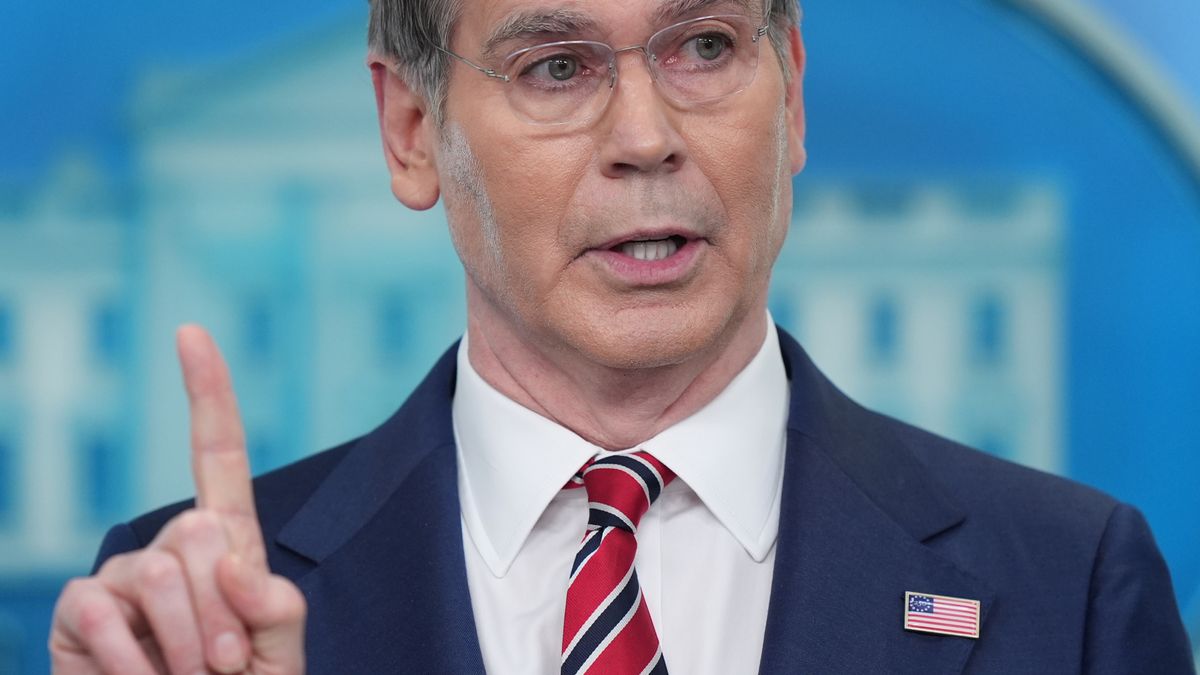
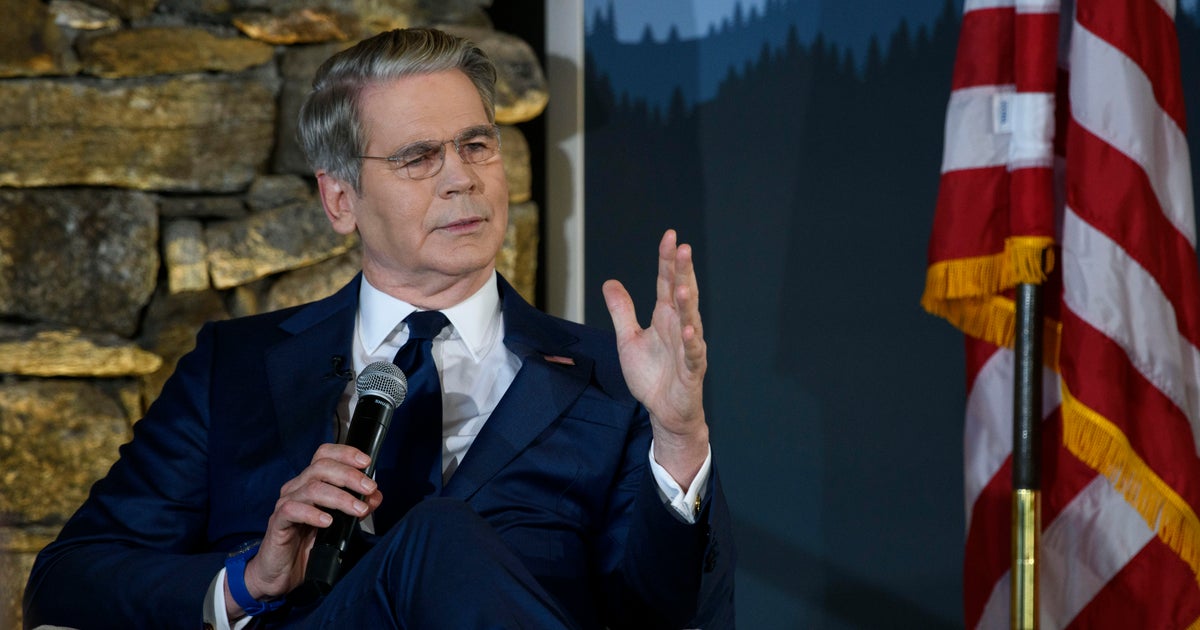
Treasury Secretary Scott Bessent revealed the proposed commemorative note tied to the nation's 250th anniversary. Federal law still bars living people from U.S. money, and even some MAGA supporters are balking.
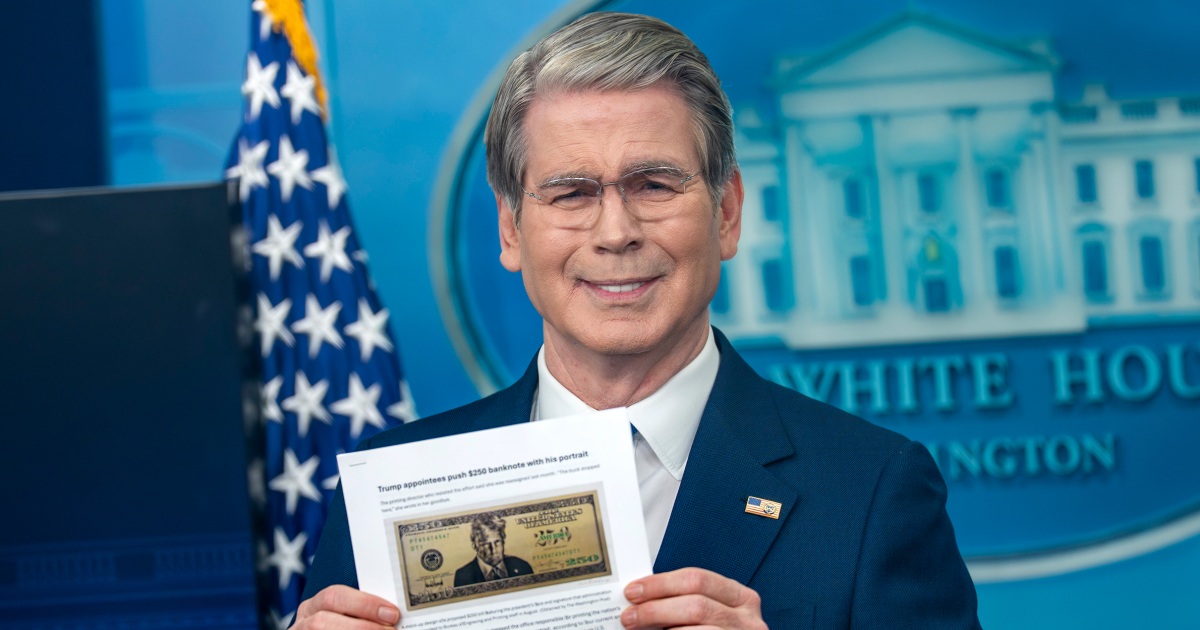
The Trump administration has begun preparing a $250 bill bearing President Donald Trump's face, a move that would put a living person on U.S. paper currency for the first time in roughly 160 years and shatter one of the federal government's longest-standing traditions.
Treasury Secretary Scott Bessent presented the proposed note as a commemorative bill timed to the nation's 250th anniversary, or semiquincentennial, which the country marks in July. The design unveiling came as the Bureau of Engraving and Printing was directed to prepare for the possibility of production — even though current law explicitly prohibits the portrait of any living person from appearing on U.S. coins or currency.
That legal barrier means Congress would have to act first. Last year, Rep. Joe Wilson, R-S.C., introduced legislation that would require the Treasury to print $250 notes carrying Trump's portrait, but the bill has not advanced. Without a change in the law, the commemorative note cannot legally enter circulation, leaving the administration's preparations in a state of limbo.
The push has also generated turmoil inside the Treasury. According to unnamed employees, two political appointees pressured the Bureau of Engraving and Printing to get ready to print the bill, and management "abruptly reassigned" the bureau's director, Patty Solimene, after she told them the bureau was not authorized to move forward with production. The episode has fueled accusations that career officials are being sidelined for resisting a politically driven directive.
Public opinion is mixed, even within the president's own base. A YouGov poll found that roughly 48% of MAGA supporters approve of putting Trump's face on the currency, while about 26% oppose it — an unusual crack in a coalition that rarely breaks with the president. Critics across the political spectrum have noted that the $250 denomination itself would be unprecedented in modern American money, which tops out at the $100 bill in everyday circulation.
Supporters frame the note as a fitting tribute during a milestone anniversary year, while opponents see it as a norm-breaking act of self-promotion that blurs the line between the office and the man holding it. The last living person to appear on widely circulated U.S. currency dates to the 19th century, and presidents have traditionally been honored on money only after death. Whether the $250 Trump bill ever reaches Americans' wallets now rests with a Congress that has so far declined to take up the question.
The controversy also revives a broader debate about the role of currency as a symbol of national identity. American banknotes have historically featured deceased presidents and founding figures — George Washington on the $1, Abraham Lincoln on the $5, Benjamin Franklin on the $100 — chosen long after their deaths and intended to honor enduring contributions rather than a sitting officeholder. Designers and historians note that a $250 denomination would also reshape the physical lineup of American money, and that issuing a high-value note carrying a current president's likeness would mark a sharp break from a convention that has held across administrations of both parties for generations.