Senate Prepares Vote to Block Trump's Proposed Compensation Fund
Chuck Schumer introduces motion requiring just 50 votes to pass, with handful of Republicans indicating potential support for the measure.

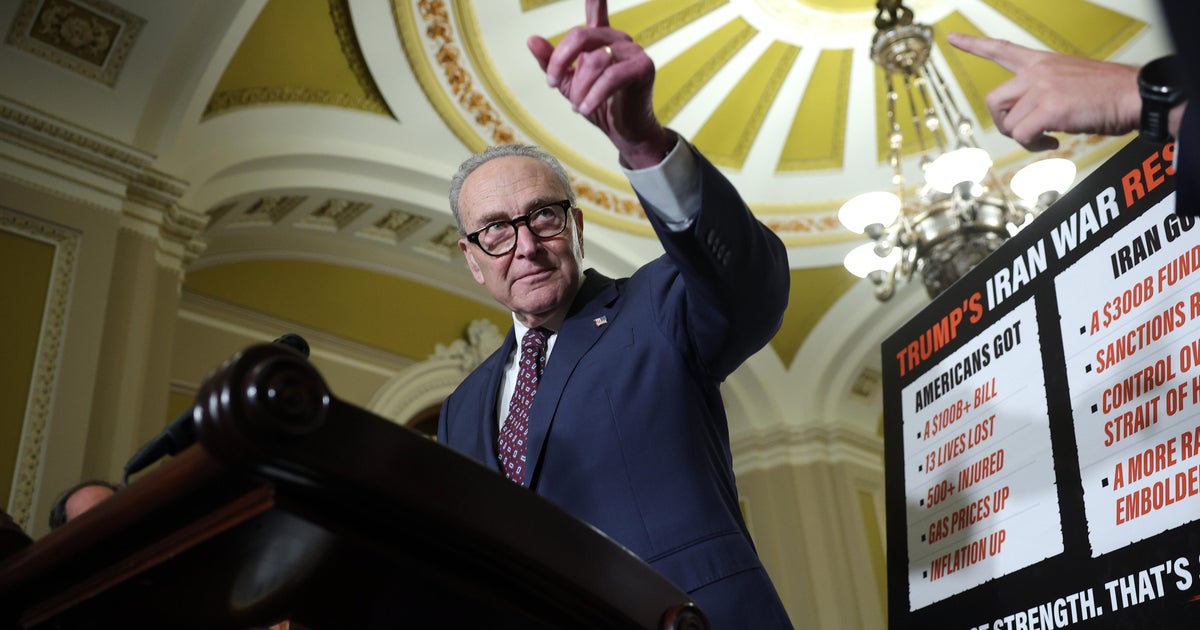
The Senate is preparing to vote on a motion that would bar President Trump from creating a controversial compensation fund, as Democratic leaders and some Republican lawmakers express growing concern about the administration's latest financial proposal. Senator Chuck Schumer of New York, the chamber's top Democrat, introduced the motion as part of broader congressional pushback against what critics describe as inappropriate use of federal resources.
The procedural motion requires only 50 votes to pass, a threshold that appears achievable given that several Republicans have privately indicated they would support such a measure. The relatively low vote threshold reflects the parliamentary nature of the motion, which would effectively block the administration from moving forward with the compensation fund proposal without requiring the more difficult process of passing comprehensive legislation.
While specific details about the proposed compensation fund have not been fully disclosed, the congressional opposition suggests lawmakers view the initiative as problematic or potentially inappropriate. The timing of Schumer's motion indicates Democratic leadership sees an opportunity to build bipartisan opposition to Trump administration policies, particularly given the apparent willingness of some Republicans to break ranks with the president on this issue.
The handful of Republicans signaling potential support for the blocking motion represents a notable crack in party unity, suggesting that even some GOP lawmakers have concerns about the compensation fund proposal. This bipartisan opposition could complicate the Trump administration's broader legislative agenda and signal growing congressional assertiveness in checking executive branch initiatives.
The vote is expected to take place in the coming days, and its outcome could set important precedents for how Congress exercises its oversight authority over executive branch financial proposals. Success of the motion would mark a significant legislative defeat for the Trump administration and could embolden lawmakers to challenge other controversial presidential initiatives. The debate also highlights ongoing tensions between the executive and legislative branches over the appropriate use of federal funds and the extent of presidential authority in financial matters.