Rubio Defends Iran War in First Congressional Testimony as Ceasefire Teeters
The secretary of state told skeptical senators he was optimistic about resuming nuclear talks, even as protesters interrupted back-to-back hearings and Democrats pressed him on the war's legality.
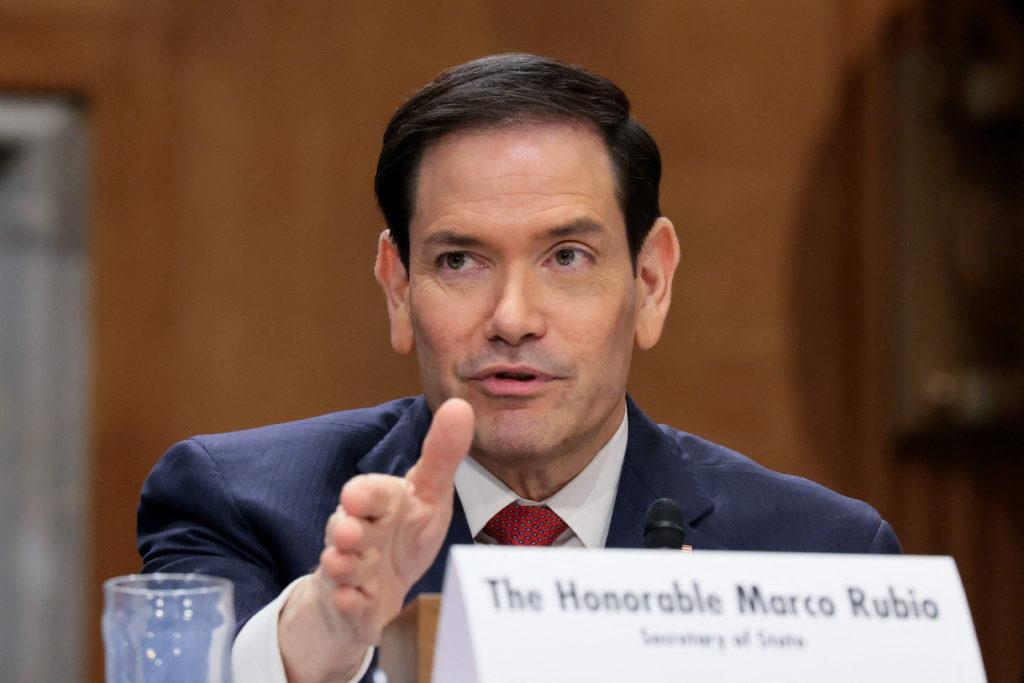
Secretary of State Marco Rubio defended the Trump administration's handling of the war with Iran on Tuesday in his first appearance before Congress since the conflict began, telling lawmakers he was cautiously optimistic that nuclear negotiations could resume even as a shaky ceasefire looked increasingly in doubt.
Rubio testified in back-to-back sessions, first before the Senate Foreign Relations Committee in the morning and then before a House Appropriations subcommittee in the afternoon. He argued that U.S. pressure had shifted Tehran's posture at the bargaining table. "They have agreed to negotiate aspects of their nuclear program that just a month ago they were refusing to even mention," Rubio said, adding that "the more they give, the more they would get." He framed the war as a response to Iran's buildup of missiles and drones meant to shield its nuclear ambitions.
The hearings were repeatedly disrupted. Demonstrators interrupted both sessions, with protesters at the Senate hearing chanting "stop killing Cubans" and "Let Cuba live!" in objection to the administration's policies toward Havana, before being removed by Capitol Police. The interruptions underscored the political volatility surrounding an administration waging war on one front while drawing criticism on several others.
Democrats used their questioning to challenge both the conduct and the legality of the administration's actions. Sen. Chris Van Hollen, D-Md., accused the president of entering the Iran war recklessly and criticized cuts to foreign aid that he said had undercut American diplomacy. Sen. Tim Kaine, D-Va., a longtime advocate for congressional war powers, pressed Rubio on the legal justification for Pentagon strikes against vessels the administration has accused of smuggling drugs, part of a separate and contentious military campaign.
Rubio acknowledged that the ceasefire appeared unstable, even as he disputed Iranian reports that Tehran had cut off communication with mediators. His testimony came as Iran launched fresh strikes on Gulf states and suspended indirect talks, leaving the administration's central claim — that diplomacy remains within reach — under intense scrutiny. For the senators weighing further funding and oversight, Rubio's appearance offered the first detailed accounting of a war that has rapidly expanded U.S. involvement across the Middle East.
Rubio, who has emerged as one of the most influential voices in the administration's national security team, used the hearings to argue that American firmness had created leverage that diplomacy alone could not. But lawmakers from both parties pressed him on how long the conflict might last and what an acceptable outcome would look like, wary of an open-ended commitment in a region where U.S. forces are now exchanging fire with Iran and its proxies on multiple fronts. The sessions also touched on the administration's broader use of military force, including the controversial campaign against suspected drug-trafficking vessels, which critics say has been conducted without adequate legal justification or congressional authorization. By the end of the day, Rubio had defended the war as both necessary and winnable, even as the events unfolding across the Gulf — fresh Iranian strikes and a fraying ceasefire — threatened to outpace his cautious optimism.