Six States Vote in 2026 Primaries: Turek-Hinson Iowa Senate Showdown Set, Wiener Takes Pelosi's House Seat
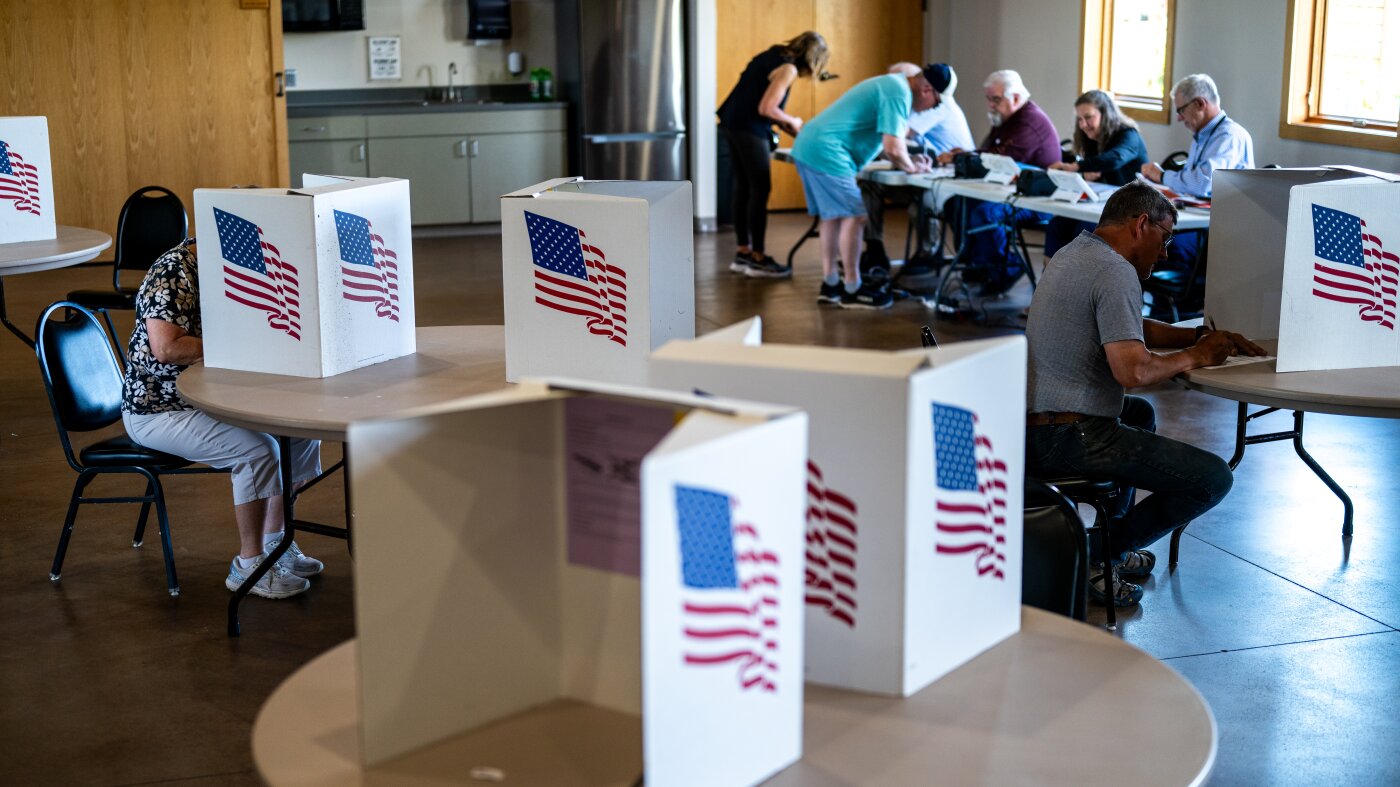
Voters in California, Iowa, Montana, New Jersey, New Mexico and South Dakota cast the first major ballots of the 2026 midterm cycle Tuesday, locking in marquee general-election matchups in the fight for Congress.

Voters in six states delivered the first major verdict of the 2026 midterm cycle on Tuesday, setting up a string of consequential general-election battles that will help decide control of a closely divided Congress. Polls closed across California, Iowa, Montana, New Jersey, New Mexico and South Dakota, with the marquee contests carrying outsized stakes for both parties.
In Iowa, the race to succeed retiring Republican Sen. Joni Ernst crystallized into a fall showdown. Democratic state Rep. Josh Turek, a two-time Paralympic gold medalist in wheelchair basketball, captured his party's Senate nomination, defeating state Sen. Zach Wahls, The Associated Press and NBC News projected. Turek will face Republican Rep. Ashley Hinson, who cruised to the GOP nomination with President Donald Trump's endorsement. The matchup hands Democrats a long-shot but closely watched target as they try to claw back a seat in a state that has trended sharply rightward over the past decade.
California produced one of the night's most symbolically charged results. Democratic state Sen. Scott Wiener advanced out of the primary in the 11th Congressional District, moving a step closer to succeeding Speaker Emerita Nancy Pelosi, who has represented San Francisco for nearly four decades. San Francisco Supervisor Connie Chan, who carried Pelosi's own endorsement, trailed in second place with 26,443 votes in early returns. Under California's top-two system, the two leading finishers regardless of party advance to November.
In New Jersey, Rebecca Bennett, a former Navy helicopter pilot, won the Democratic nomination in a crowded field for one of the most competitive House seats in the country, giving the party a recruit it believes can compete in a battleground district. Across the six states, primaries also winnowed fields for U.S. House, statewide office and dozens of legislative seats, offering an early read on the energy within each party's base ahead of the fall.
The voting unfolded against a turbulent national backdrop, with the country's attention split between the campaign trail and an escalating military confrontation with Iran. Strategists in both parties cautioned against drawing sweeping conclusions from a single primary night, but the results sharpened the contours of the battle ahead: Republicans defending narrow majorities, and Democrats betting that a series of carefully recruited candidates can put long-shot seats in play. The general election is set for Nov. 3.
Several contests remained unresolved late into the night. California's mail-heavy elections are notoriously slow to count, and a number of down-ballot House and legislative races were still too close to call, with officials cautioning that final tallies could take days. In Montana, New Mexico and South Dakota, voters settled their own statewide and congressional nominations, rounding out a primary night that strategists in both parties treated as an early measure of voter enthusiasm heading into a midterm cycle expected to hinge on the economy, immigration and the war with Iran.