Obama Presidential Center to Open on Juneteenth, Anchoring an $850 Million Bet on Chicago's South Side
The long-delayed campus in Jackson Park will combine a museum, library branch, and an NBA-regulation basketball court, with a grand-opening weekend timed to the June 19 holiday.
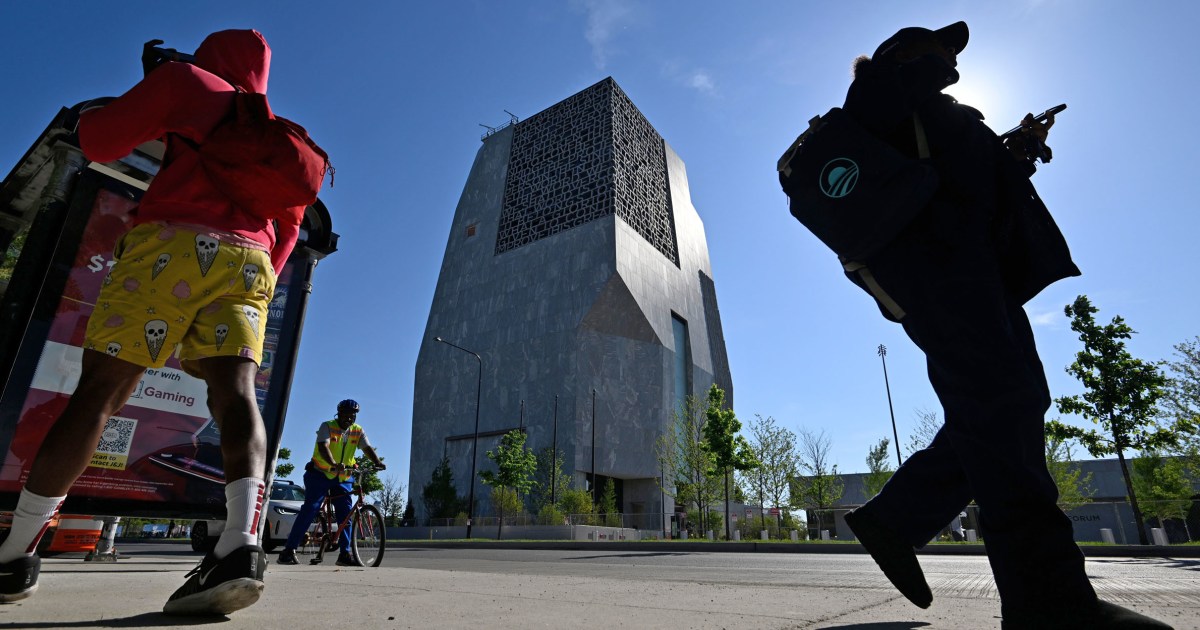
After nearly a decade of planning, legal battles and construction, the Obama Presidential Center will throw open its doors on June 19 — Juneteenth — anchoring an $850 million campus on Chicago's South Side that former President Barack Obama and former first lady Michelle Obama have cast as a living institution rather than a traditional, document-driven library.
The 19.3-acre campus in Jackson Park, at 6001 S. Stony Island Ave., is built around a soaring museum tower chronicling the campaigns and presidency of the nation's first Black president. But the Obamas have deliberately designed the site to function as a neighborhood hub. Alongside high-tech exhibits and a life-sized replica of the Oval Office, the campus includes a branch of the Chicago Public Library, expansive public gardens and a 60,000-square-foot athletic building, the "Home Court," featuring an NBA regulation-size basketball court.
The timing of the opening is freighted with symbolism. By choosing Juneteenth — the holiday commemorating the end of slavery in the United States — for a grand-opening weekend running June 19 through 21, the foundation is linking the center's debut to the broader story of Black American history on the predominantly Black South Side, a neighborhood that organizers hope will see a tourism and economic boost.
The project has not been without controversy. Its placement in historic Jackson Park, a public space designed by Frederick Law Olmsted, drew years of litigation from preservationists, and some local residents have voiced concern that the influx of visitors could accelerate gentrification and displace longtime homeowners. The center departs from precedent in another way: unlike other modern presidential libraries, it will not be operated by the National Archives and Records Administration, and Obama's official records are being digitized rather than housed on site.
General admission to the museum will cost $30, making it the most expensive presidential museum or library in the country to visit, though officials stress that the surrounding campus, gardens and public spaces will remain free and open to all. The foundation has framed the admission revenue as part of the cost of maintaining a privately funded institution.
For Obama, who began his career as a community organizer blocks from the new campus, the center represents a homecoming and an attempt to seed a lasting civic legacy. Organizers say the goal is not merely to memorialize a presidency but to train the next generation of leaders through programming run out of the campus. "This is a living, breathing legacy," foundation officials have said of the project, which they expect to draw hundreds of thousands of visitors in its first year.