Justice Department Shelves Trump's $1.8 Billion 'Anti-Weaponization' Fund
Acting Attorney General Todd Blanche told House lawmakers the DOJ is 'not moving forward with the fund, period,' abandoning a payout tied to a settlement of Trump's lawsuit over his leaked tax returns.

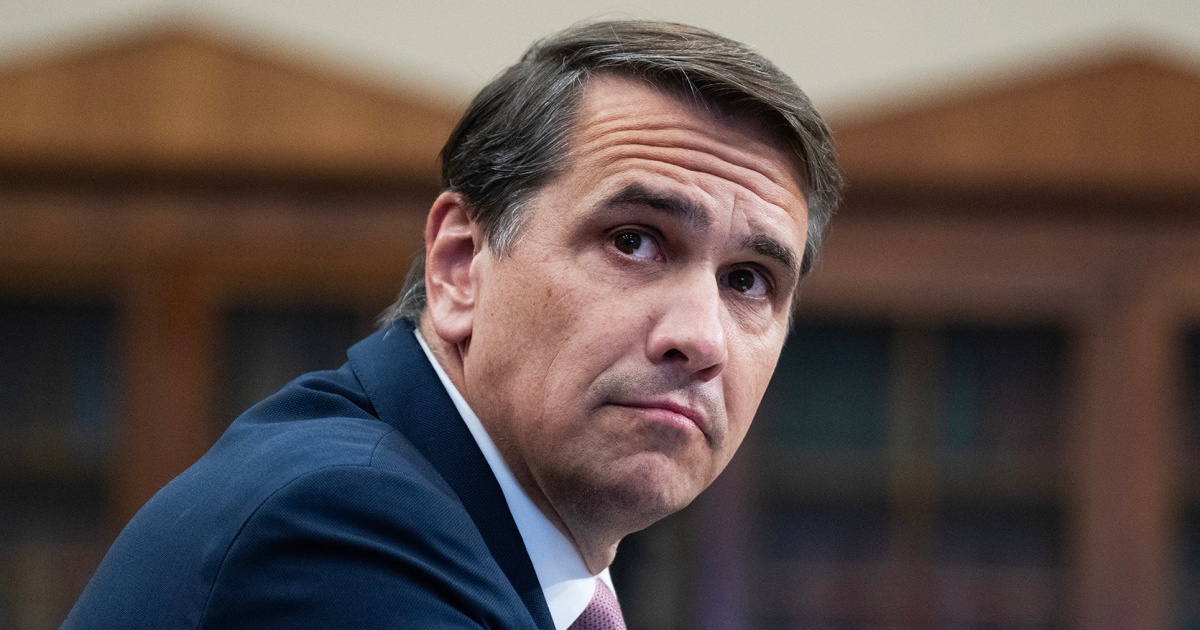
Acting Attorney General Todd Blanche told Congress on June 2 that the Justice Department has abandoned a planned $1.8 billion "anti-weaponization" fund, ending a controversial arrangement that critics had assailed as a self-dealing payout engineered by President Donald Trump.
"We are not moving forward with the fund, period," Blanche told the House Appropriations Subcommittee for Commerce, Justice, Science and Related Agencies, under sharp questioning from lawmakers. The roughly $1.78 billion fund had been conceived as part of a settlement between Trump and his own Justice Department, growing out of a $10 billion lawsuit the president filed against the IRS over the earlier leak of his tax returns.
The fund had already been temporarily blocked by a federal judge in the Eastern District of Virginia after a lawsuit challenged its legality. Blanche went further than the court order, pledging that the department would not revive the fund even after the judicial pause expires. But when a Democratic member pressed him to commit to dropping it in writing, Blanche declined, saying he "didn't know" what purpose a written commitment would serve and noting that a transcript of the hearing already existed.
The decision marks a notable retreat for an administration that had defended the fund as a legitimate effort to compensate people it said were targeted by politically motivated investigations. Opponents had described it as something closer to a slush fund, warning that channeling taxpayer money through a settlement Trump struck with his own appointees raised profound conflict-of-interest concerns.
Even with the fund dead, one element of the underlying settlement remains intact: a term barring the IRS from investigating the Trump family over past tax matters. That carve-out drew renewed scrutiny at the hearing, with Democrats arguing it leaves the president shielded from tax enforcement regardless of the fund's fate. Republicans on the panel largely welcomed Blanche's announcement as the resolution of a politically toxic dispute, but the lingering protections built into the deal ensure the "anti-weaponization" saga is unlikely to fade from Capitol Hill anytime soon.
The fund's origins help explain why it drew such intense scrutiny. It was structured to flow out of a settlement of Trump's $10 billion suit against the IRS, a case rooted in the unauthorized disclosure of his tax records years earlier. Watchdog groups argued the mechanism effectively allowed the president to direct a massive sum through agreements with officials he had appointed, blurring the line between government policy and personal grievance. By formally killing the fund while declining to memorialize that decision in writing, Blanche left himself — and the administration — some flexibility, even as he sought to defuse one of the most politically combustible questions hanging over the Justice Department.