Justice Department Kills Trump's $1.8 Billion 'Anti-Weaponization' Fund After Republican Revolt
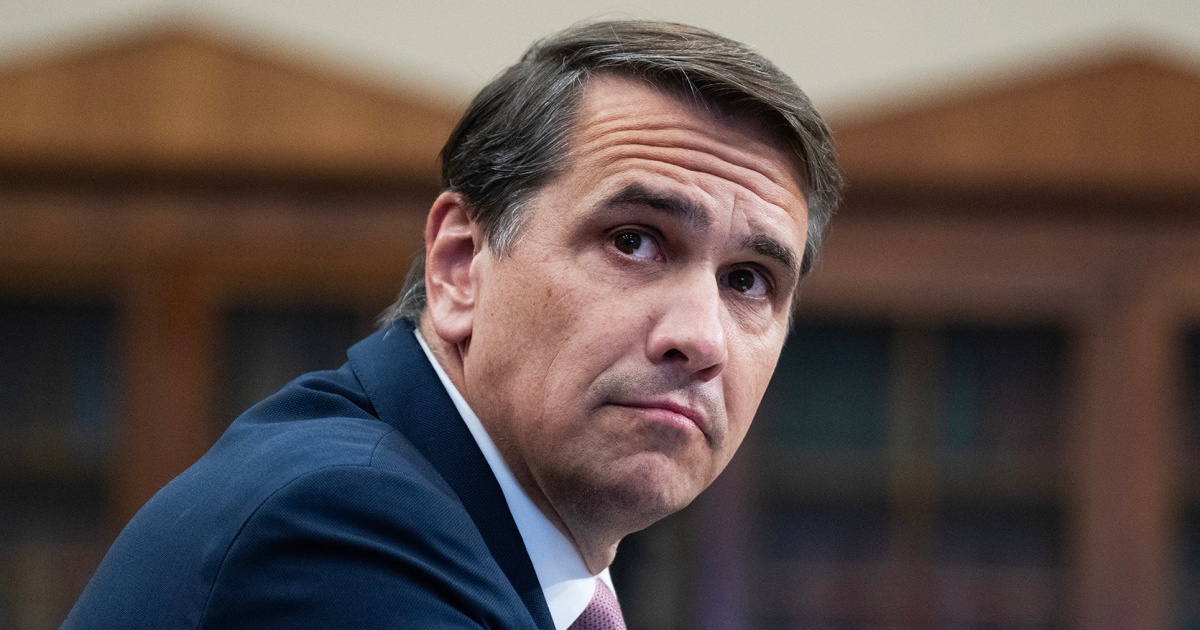
Acting Attorney General Todd Blanche told a House panel the department would not move forward 'period,' days after a federal judge halted the program and Senate Republicans pushed back hard.
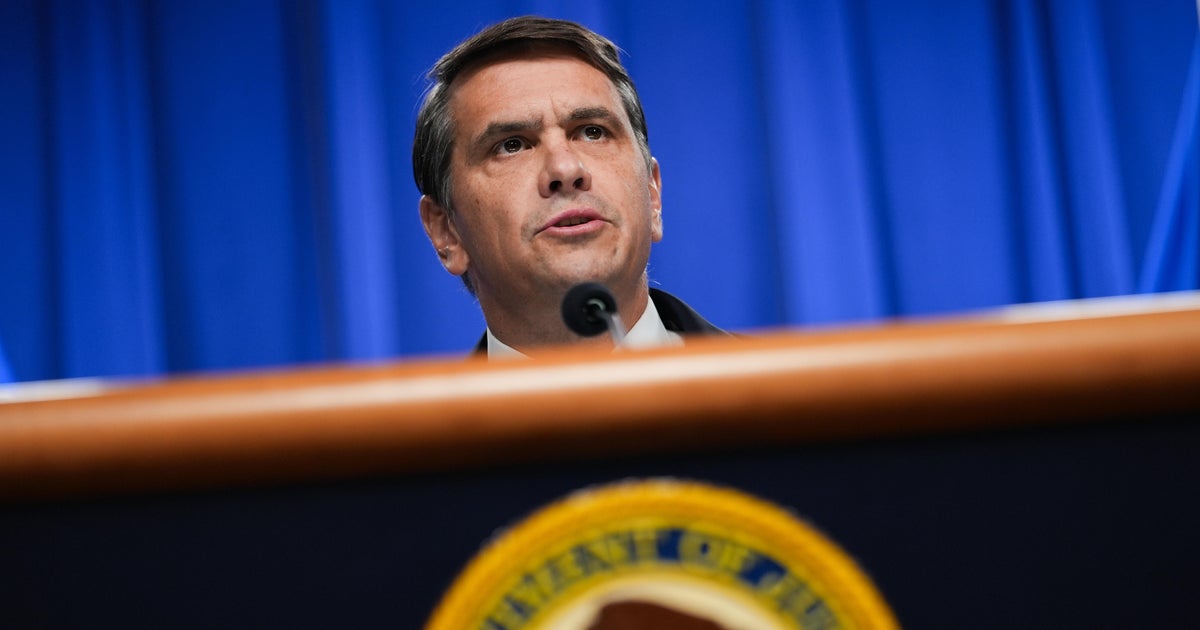
The Justice Department is abandoning a $1.8 billion "anti-weaponization" fund that had become a political liability for the Trump administration, Acting Attorney General Todd Blanche told lawmakers on Tuesday, ending a program that drew a rare revolt from congressional Republicans and an intervention from a federal judge.
"We are not moving forward with the fund, period," Blanche testified before a House Appropriations subcommittee. He added that the department would not operate the program regardless of how several pending lawsuits challenging its legality are resolved, even as he insisted that the underlying grievances about the alleged "weaponization" of the justice system "remain as important as they were before."
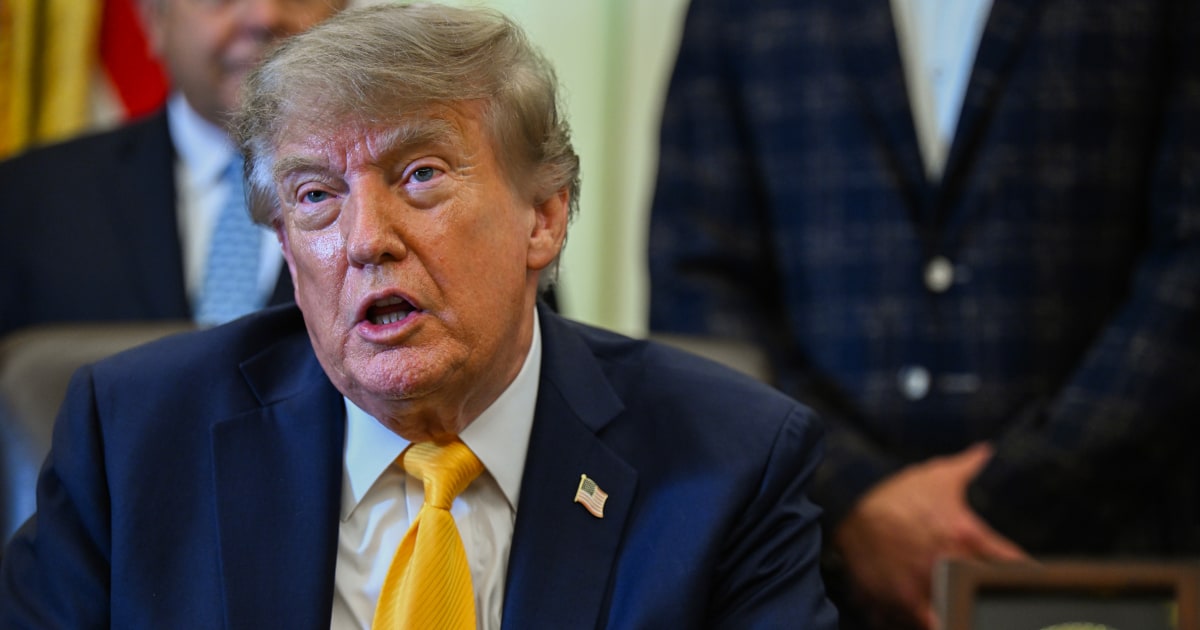
The roughly $1.776 billion compensation fund grew out of President Trump's settlement with the Internal Revenue Service over the leak of his past tax returns. It was designed to pay people who claimed the government had wrongfully prosecuted or investigated them — a structure that critics warned could funnel money to the president's allies and to Trump himself, and that Democrats denounced as a taxpayer-financed slush fund.
The program had already been frozen in court. U.S. District Judge Leonie Brinkema issued a temporary order on Friday barring the department from "taking any further action pursuant to the creation or operation" of the fund, including transferring money, evaluating claims or disbursing payments. A hearing in the case is scheduled for June 12. "The Department will abide by the Court's ruling," the Justice Department said, though it added that it "disagrees strongly with the decision."
Just as damaging for the White House was the resistance from within Trump's own party. Republican senators voiced sharp concerns about the fund's timing and its potential beneficiaries during a closed-door conference meeting, and Senate Majority Leader John Thune signaled that the cleanest resolution would be for the administration to walk away on its own. "The best way to handle it is if the administration decides to shut it down themselves," Thune said.
The pressure climbed to the top. House Speaker Mike Johnson met with Trump on Monday to discuss the fund, part of a frantic effort to defuse a controversy that had united legal challengers and skeptical Republicans against the program. By Tuesday, the administration had retreated.
Blanche's appearance on Capitol Hill was billed as a budget hearing, but the questioning repeatedly returned to the fund and to broader concerns about the politicization of the department under Trump. The acting attorney general sought to draw a line between the now-dead program and the administration's continued claims that previous prosecutions were politically motivated, arguing the cause was sound even if the vehicle was not. For congressional critics, the reversal was a concrete victory; for the administration, it was a costly retreat on one of its most contentious initiatives.