John Bolton to Plead Guilty in Classified Documents Case
The former national security adviser and prominent Trump critic admitted retaining top-secret material in a personal diary, facing up to five years in prison and a $2.25 million fine.

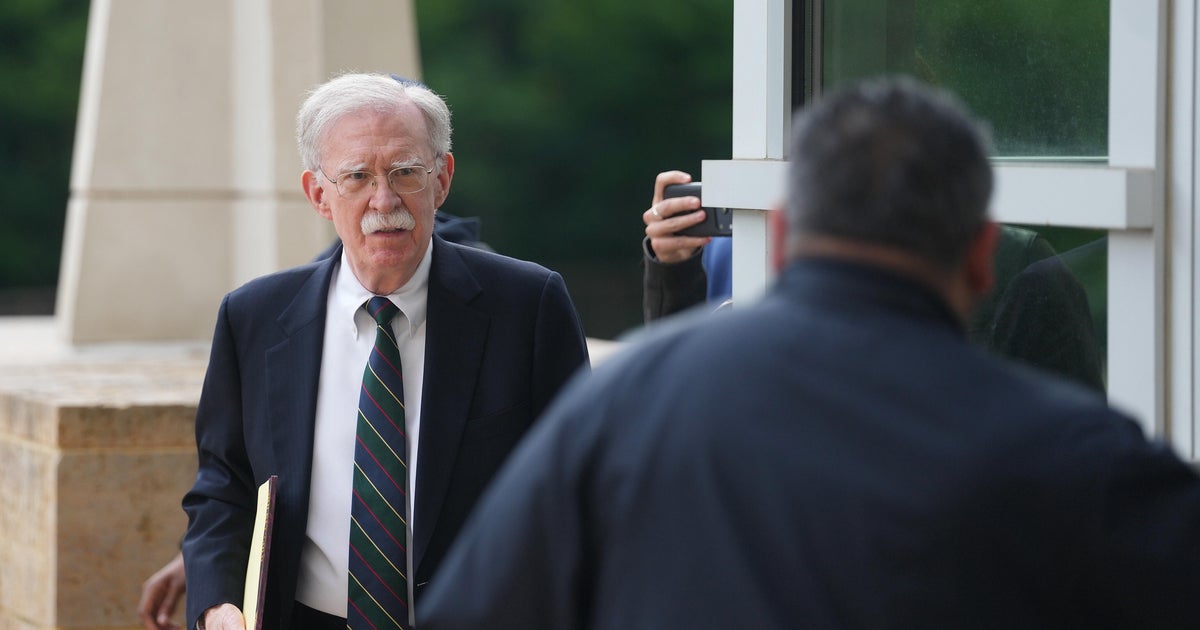
Former national security adviser John Bolton has agreed to plead guilty to a single count of retaining classified information, resolving a sprawling federal indictment that had threatened one of President Donald Trump's most prominent critics with decades in prison.
Under the plea agreement, Bolton will admit to unlawfully keeping classified material contained in a private diary entry. The deal calls for a sentence of up to 60 months — five years — behind bars and a fine of $2.25 million. A rearraignment, where Bolton is expected to formally enter his guilty plea, is scheduled for June 26 in federal court in Greenbelt, Maryland.
The original indictment was far broader. Prosecutors alleged that from 2018 until August 2025, Bolton shared "more than a thousand pages of his day-to-day activities as the National Security Advisor" — including information classified up to the TOP SECRET/SCI level — with two unauthorized individuals later identified as his wife and daughter, neither of whom held security clearances. The diary-style records chronicled his tenure in the first Trump administration, a period that ended with his acrimonious 2019 departure and a subsequent tell-all book the White House fought to suppress.
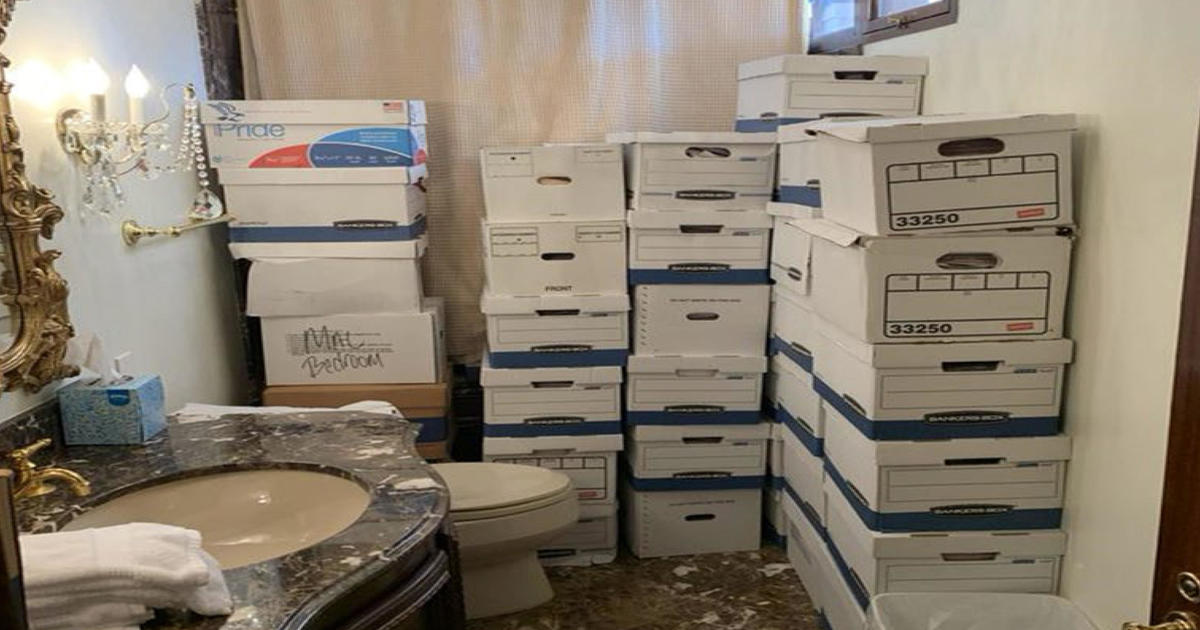
The plea spares Bolton the prospect of a lengthy trial, mounting legal fees and the possibility of a far harsher sentence. It also closes one of the most politically charged prosecutions to emerge from the Justice Department's handling of classified-records cases, which have ensnared figures across the political spectrum in recent years.
Bolton, 76, served as Trump's third national security adviser and became one of his fiercest Republican antagonists after leaving the administration, accusing the president of putting personal and political interests ahead of national security. Allies of the former adviser have long argued that the case against him was driven by that animosity, while prosecutors maintained the charges reflected serious mishandling of some of the government's most sensitive secrets.
The case had its roots in the bitter aftermath of Bolton's White House exit. His 2020 memoir, "The Room Where It Happened," prompted a separate legal battle when the government tried to block its publication, arguing it contained classified material; that civil fight ended without the book being suppressed. The criminal indictment unsealed against him went further, alleging he had retained and transmitted sensitive records far beyond any single book project.
The agreement now heads to a federal judge, who must accept its terms at the June 26 hearing. If approved, it would bring a quiet end to a case that had loomed as a marquee test of how the government treats the unauthorized retention of classified information — and would leave one of Washington's best-known foreign-policy hawks a convicted felon. The outcome is also likely to reverberate politically, given Bolton's transformation from senior Trump aide to outspoken adversary, and the long-running debate over whether classified-records cases are applied evenhandedly across administrations and ideologies.