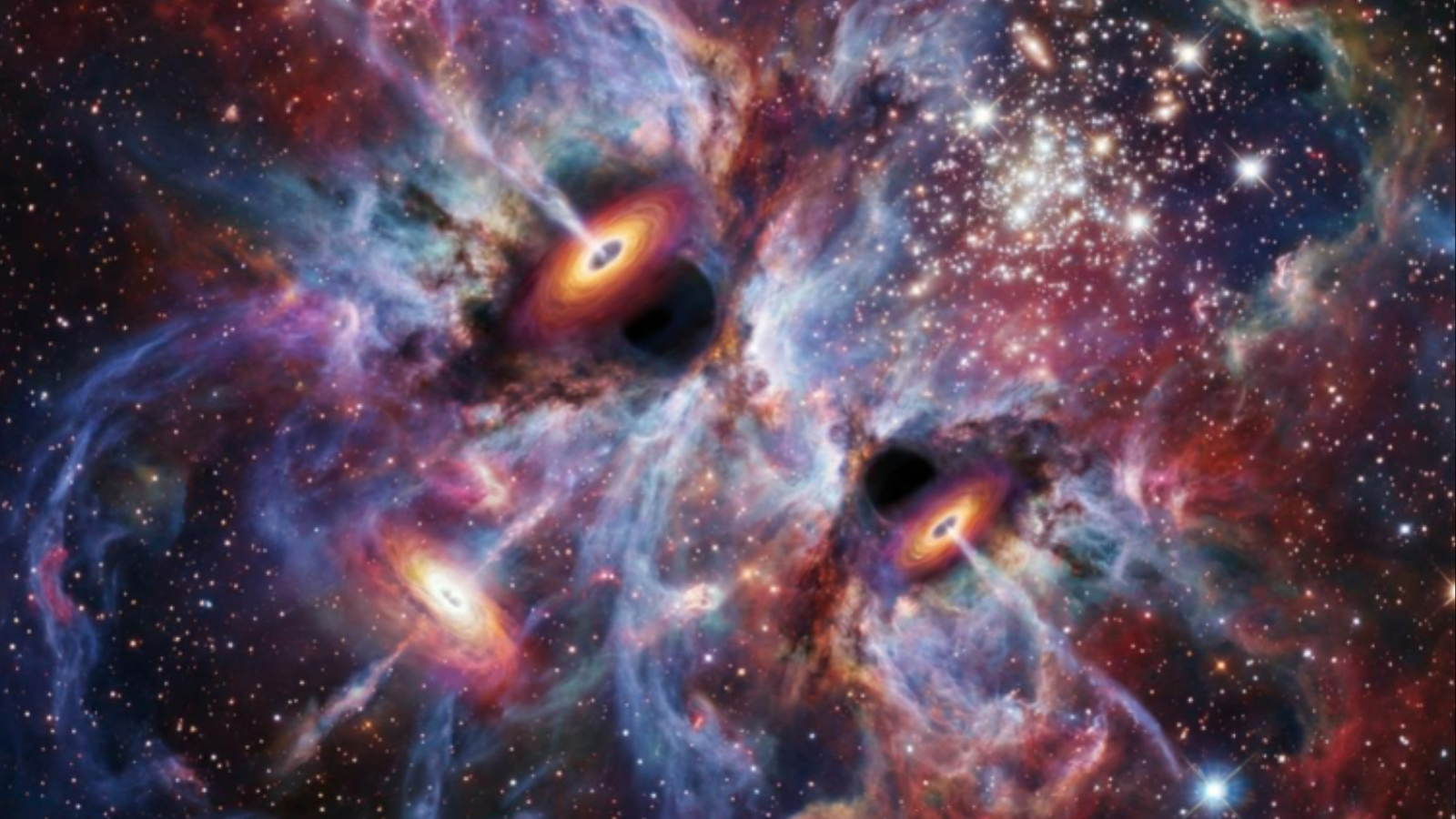
James Webb's Mysterious 'Little Red Dots' May Be Newborn Supermassive Black Holes, New Spectrum Suggests
The most detailed spectrum yet of one of these ancient objects strongly favors a black hole cloaked in hot gas over a galaxy full of stars — evidence, researchers say, of heavy black-hole seeds being born in real time.
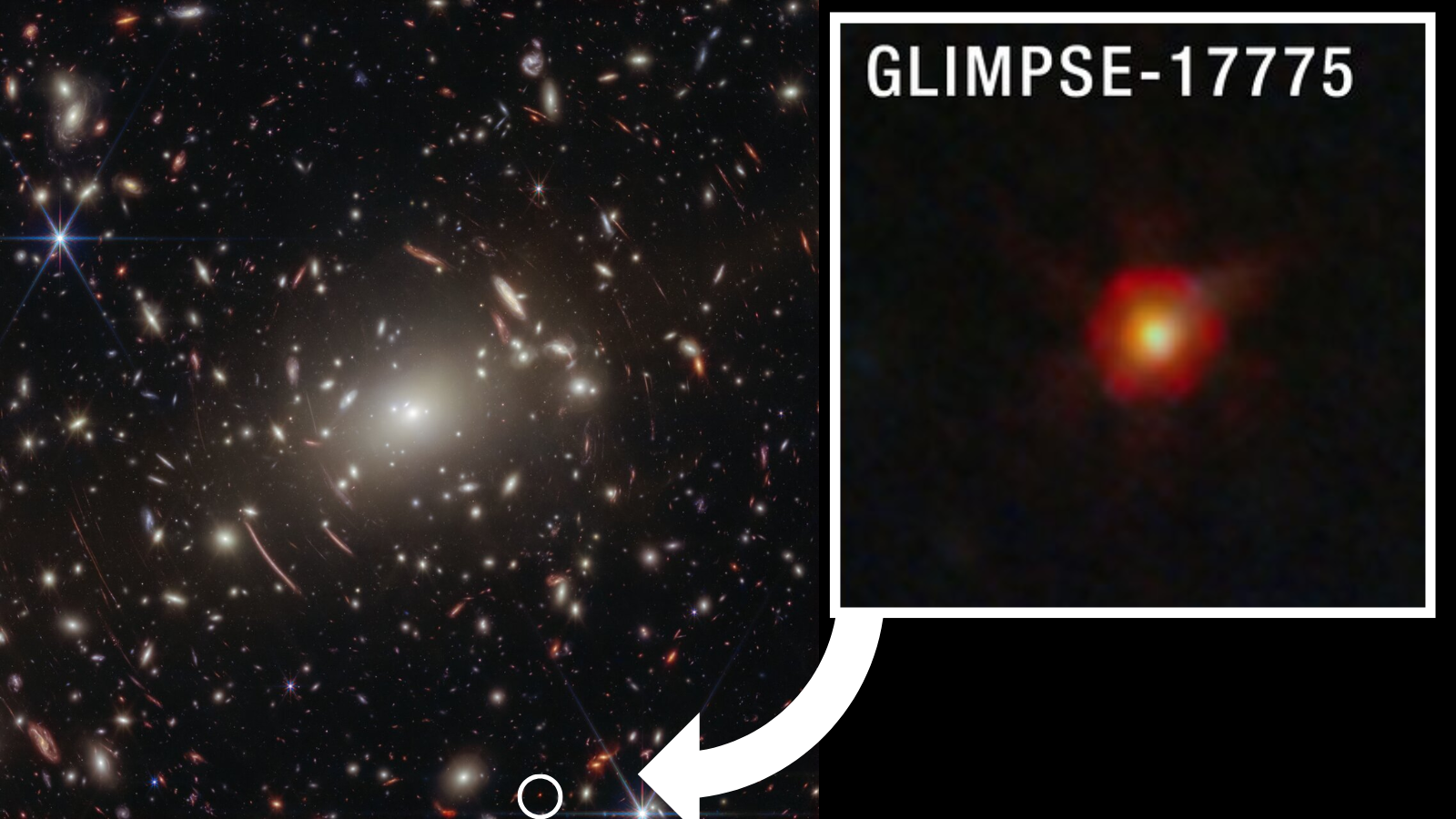
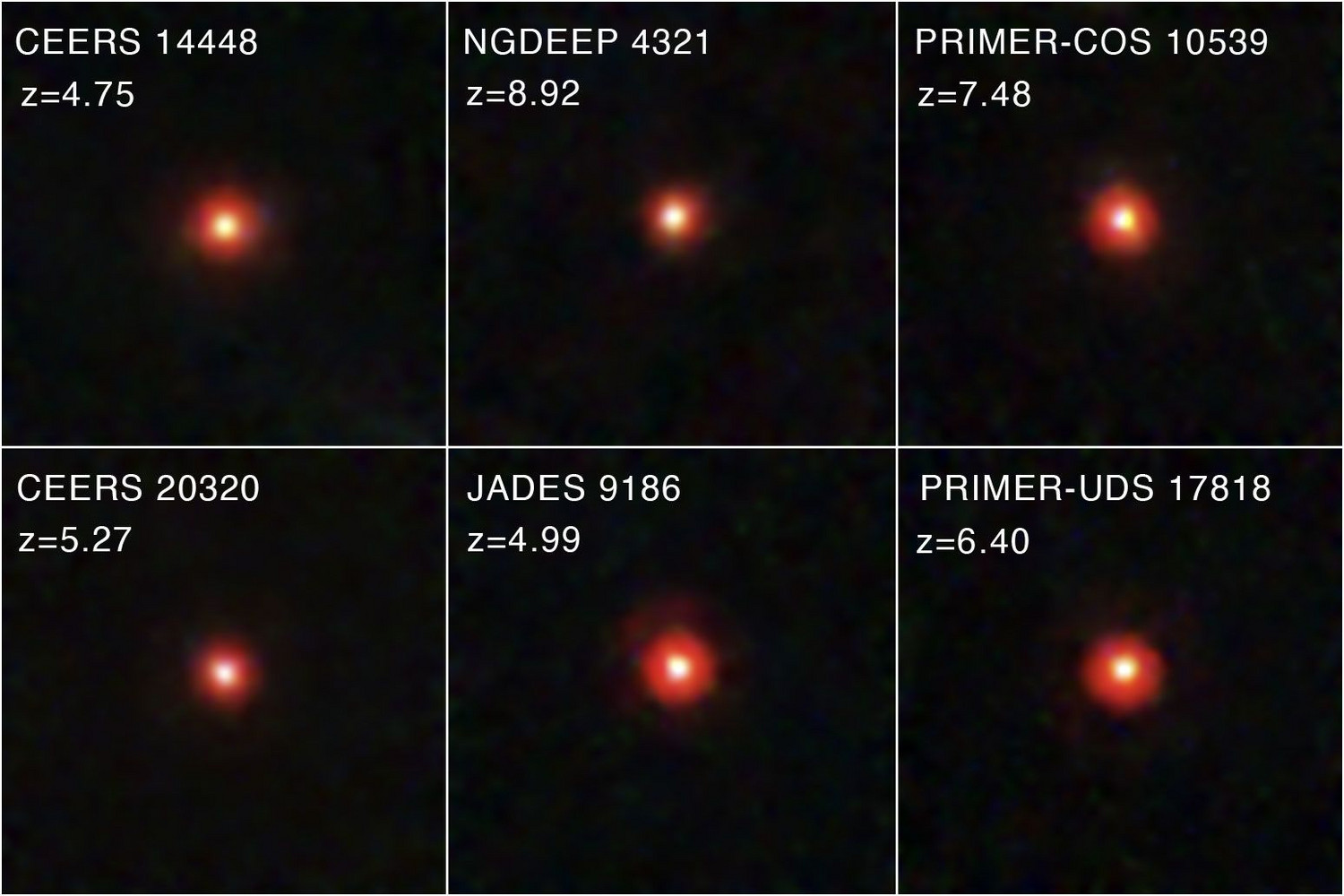
One of the strangest puzzles the James Webb Space Telescope has served up may be edging toward a solution. New observations suggest the mysterious "little red dots" scattered across the early universe are not galaxies stuffed with stars, as they first appeared, but supermassive black holes caught in the act of being born — swaddled in dense cocoons of hot gas.
The little red dots have vexed astronomers since Webb began cataloging the distant universe, turning up in far greater numbers than existing models predicted and threatening, for a time, to overturn the standard picture of cosmic evolution. A study led by Vasily Kokorev of the University of Texas at Austin produced the most detailed spectrum ever obtained for one of these objects, and the data overwhelmingly favor a black hole in an early, rapid growth phase over a compact starburst galaxy.
The emerging consensus is coalescing around what researchers call the "black hole star" model. In this picture, the red glow comes not from billions of stars but from a growing black hole wrapped in gas so thick it mimics, at a glance, the light of a stellar population. If correct, the little red dots would be direct snapshots of the machinery that builds the universe's first supermassive black holes — the seeds that later anchor galaxies like our own.
"We're not just guessing that heavy black hole seeds must have existed," researchers said of the interpretation. "Instead, we're watching some of them be born in real time." The objects populate a window roughly 600 million to 1.8 billion years after the Big Bang, exactly the era in which theorists have struggled to explain how black holes grew so massive so quickly. Catching them mid-formation would help close that gap.
Just as important, the finding suggests the cosmos is not broken after all. The sheer abundance of little red dots had raised the unsettling possibility that something was badly wrong with the standard model of how structure forms. Reinterpreting them as feeding black holes rather than impossibly mature galaxies dissolves much of that tension, folding a startling Webb discovery back into the existing framework. Astronomers caution that not every red dot need share the same explanation, and follow-up spectra will be needed to test the picture across the population. But after several years of confusion, the little red dots are looking less like a crisis for cosmology and more like a front-row seat to the birth of the universe's giants.