World First: A Patient Is Dosed With a Cell-Rejuvenation Therapy Meant to Reverse Vision Loss
Life Biosciences began the first human trial of partial epigenetic reprogramming — a gene therapy built on David Sinclair's research that aims to make aging eye cells young again.
For the first time, doctors have given a living person a therapy designed to make aging cells young again — a milestone in longevity science that could point toward treatments for currently incurable causes of blindness.
The Boston-based biotech company Life Biosciences announced that it had dosed the first patient in a Phase 1 clinical trial of an experimental gene therapy called ER-100, the first cellular-rejuvenation treatment using partial epigenetic reprogramming to reach human testing. The trial targets optic neuropathies — including open-angle glaucoma and non-arteritic anterior ischemic optic neuropathy, or NAION, a common cause of sudden, irreversible vision loss in adults — conditions in which the nerve cells that carry signals from the eye to the brain die and do not regenerate.
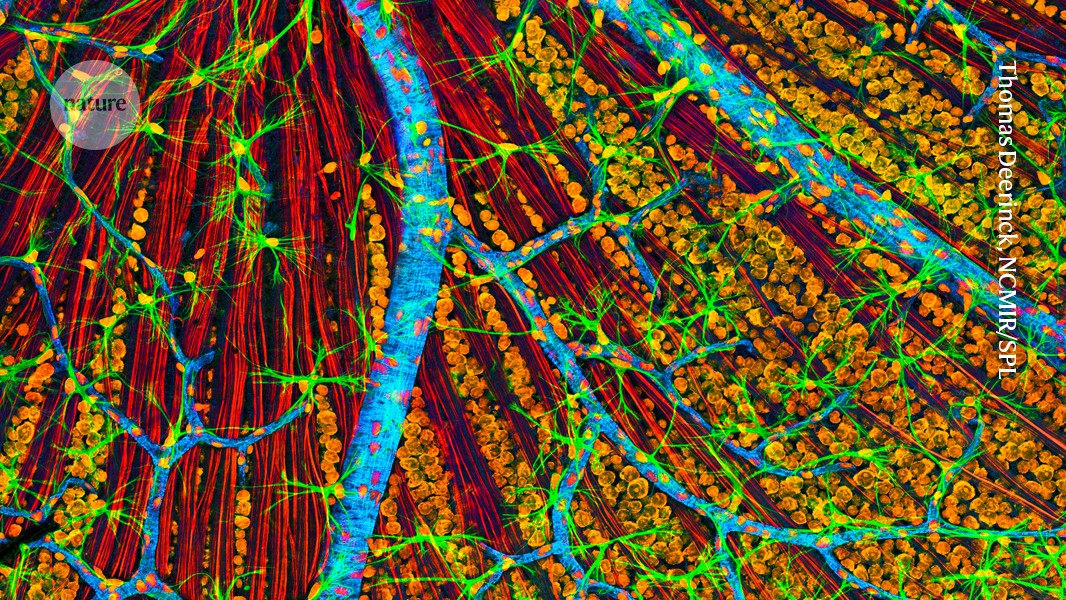
The science rests on a provocative idea: that aging is, in part, a loss of the instructions cells use to behave youthfully, and that those instructions can be restored. ER-100 delivers three reprogramming factors — a subset of the famous "Yamanaka factors" known as OSK — into retinal ganglion cells. Crucially, the process is designed to stop short of erasing a cell's identity. Rather than turning the neurons back into stem cells, the therapy aims to reset their pattern of gene expression to a more youthful state while leaving them functioning as retinal ganglion cells.
The approach grew out of the laboratory of Harvard geneticist David Sinclair, a prominent and sometimes controversial figure in aging research who co-founded Life Biosciences in 2017. In a landmark 2020 study published in Nature, Sinclair's team showed that expressing the OSK factors in mice spurred optic-nerve regeneration, reversed vision loss in a glaucoma model, and even restored age-related decline in the eyes of older animals. Translating that result from mice to people is the goal now being tested.
The first-in-human study is small and cautious by design. It will enroll patients with glaucoma and NAION to assess the therapy's safety, tolerability and immune response, along with its effect on a battery of visual measurements. Establishing that partial reprogramming can be delivered safely in humans is the essential first hurdle; proof that it can meaningfully restore sight would come only in later, larger trials.
Still, the significance of crossing into human testing is hard to overstate. Partial reprogramming has been one of the most closely watched — and heavily funded — ideas in the quest to slow or reverse aging, drawing interest from scientists and billionaire backers alike. By starting in the eye, where a therapy can be delivered locally and its effects directly observed, Life Biosciences is testing the concept in one of the safest possible settings. If it works, the implications could eventually reach far beyond vision, to the broader ambition of treating age itself.