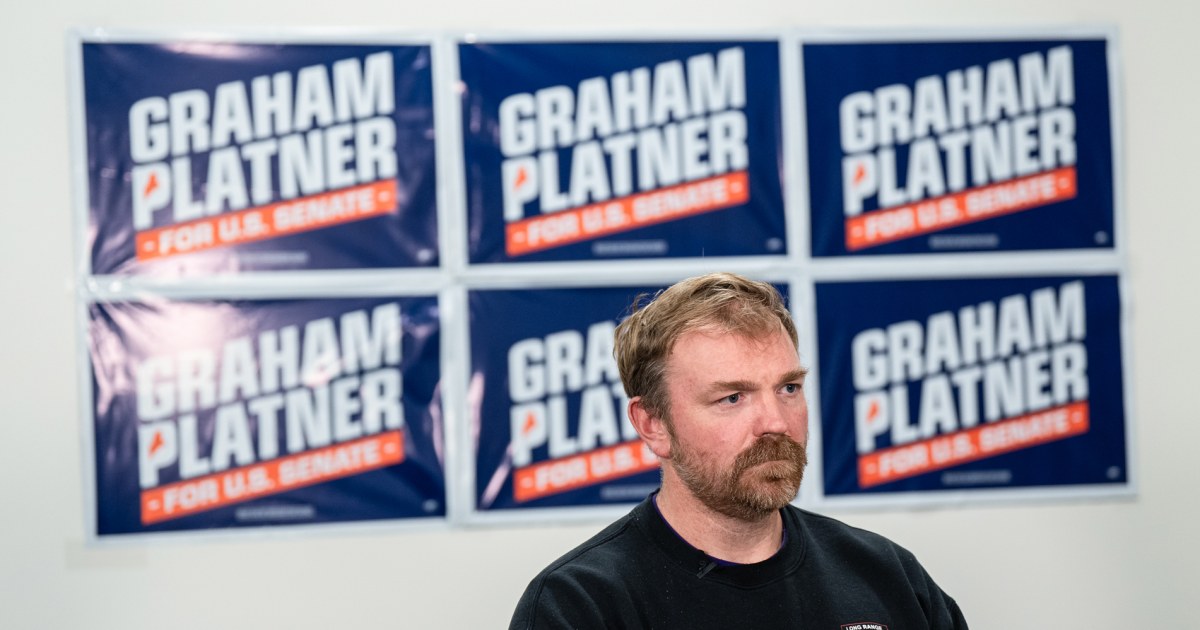
Graham Platner Wins Maine Democratic Senate Primary, Setting Up Showdown With Susan Collins
The oyster farmer and Marine veteran survived a bruising campaign to claim the nomination, teeing up one of the most closely watched Senate races of the 2026 midterms.

Graham Platner, an oyster farmer and U.S. Marine Corps veteran from Hancock County, won Maine's Democratic U.S. Senate primary on Tuesday, ABC News projected, capping an improbable insurgent campaign and setting up a marquee November showdown with five-term Republican incumbent Susan Collins.
Platner emerged from the Democratic field after Gov. Janet Mills, once seen as the party establishment's preferred contender, suspended her campaign in late April. He went on to defeat David Costello, a former Maryland environmental official who remained largely unknown to Maine voters. Running as an unapologetic economic populist focused on ending wealth inequality, Platner drew early endorsements from Vermont Sen. Bernie Sanders and Massachusetts Sen. Elizabeth Warren, and after Mills bowed out, Senate Majority Leader Chuck Schumer and other party leaders fell in line behind him.
On the Republican side, Collins faced no opposition on the primary ballot and automatically secured her party's nomination. First elected in 1996, she has represented Maine in the Senate since 1997 and is seeking a sixth term as one of the chamber's last remaining moderate Republicans. Democrats view the seat as central to their hopes of flipping the Senate, making Maine one of the most closely watched races of the 2026 midterms.
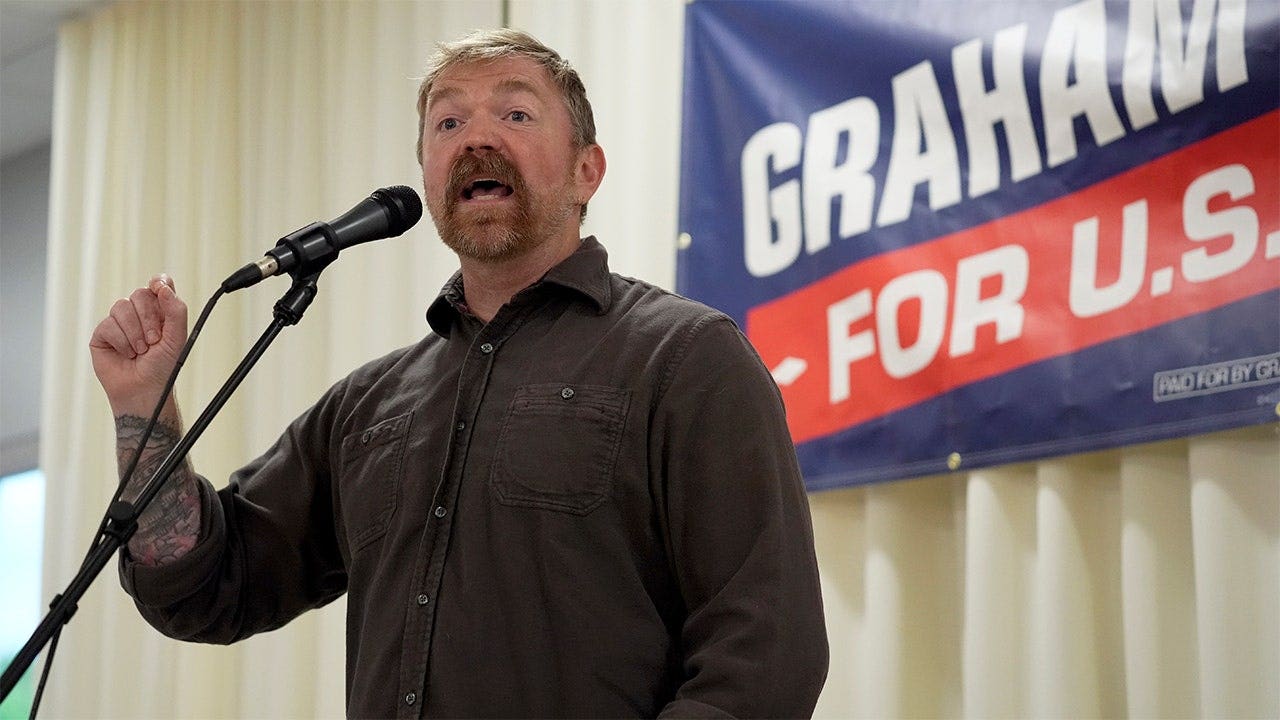
Platner's path to the nomination was anything but smooth. His campaign was buffeted by scrutiny over a tattoo critics said resembled a Nazi symbol and by published allegations involving sexually explicit text messages. He acknowledged navigating what he called "a very dark period" and conceded he had been "a far from perfect boyfriend." At a rally in Bar Harbor, he complained that "every single piece" of his past was being "dug up, litigated and weaponized" by opponents and the press.
The general election now pits two starkly different theories of Maine politics against each other. Collins will lean on decades of seniority, her reputation for independence and her ability to steer federal dollars to the state. Platner will press a message that the political system is rigged against working-class Mainers and that a fresh, anti-establishment voice is needed in Washington. With control of the Senate potentially hinging on a handful of seats, both national parties are expected to pour money and attention into the contest over the next five months.
For Democrats, Platner's victory crystallizes a strategic bet that economic populism can win in a state that has repeatedly split its tickets. For Collins, it sets up perhaps the toughest re-election fight of her long career, against an opponent determined to make the race a referendum on the status quo.