FISA Surveillance Power Set to Expire June 12 as Senate Deadlocks and Trump Demands Clean Renewal
A failed Senate vote and a fight over reforms have left Section 702, a cornerstone of U.S. foreign intelligence gathering, days away from lapsing amid turmoil at the top of the spy agencies.

One of the U.S. government's most powerful and most contested surveillance tools is days from going dark. Section 702 of the Foreign Intelligence Surveillance Act is set to expire on June 12, and a deadlocked Senate, an unresolved fight over reforms and upheaval at the top of the intelligence community have left its renewal in serious doubt.
The authority allows the government to collect the communications of foreign targets located outside the United States without a warrant, including emails and calls that sweep in Americans who are in contact with those targets. Intelligence officials describe it as indispensable to tracking terrorism, foreign spies and cyber threats. Civil-liberties advocates in both parties counter that the program enables warrantless surveillance of U.S. citizens through what they call a "backdoor" loophole, and they have refused to extend it without new privacy protections.
On June 5, the Senate failed to advance a reauthorization, falling on a 47-52 vote that left lawmakers with only days to broker a deal before the sunset. The impasse follows months of legislative maneuvering. The House passed a three-year extension on April 29 by a vote of 235 to 191, with 22 Republicans opposed and 42 Democrats in favor, but Republican leaders attached an unrelated ban on a central bank digital currency to the measure, complicating its path through the Senate. Congress later cleared a short 45-day clean extension to buy time, with the House approving it 261 to 111 and the Senate passing it by unanimous consent.
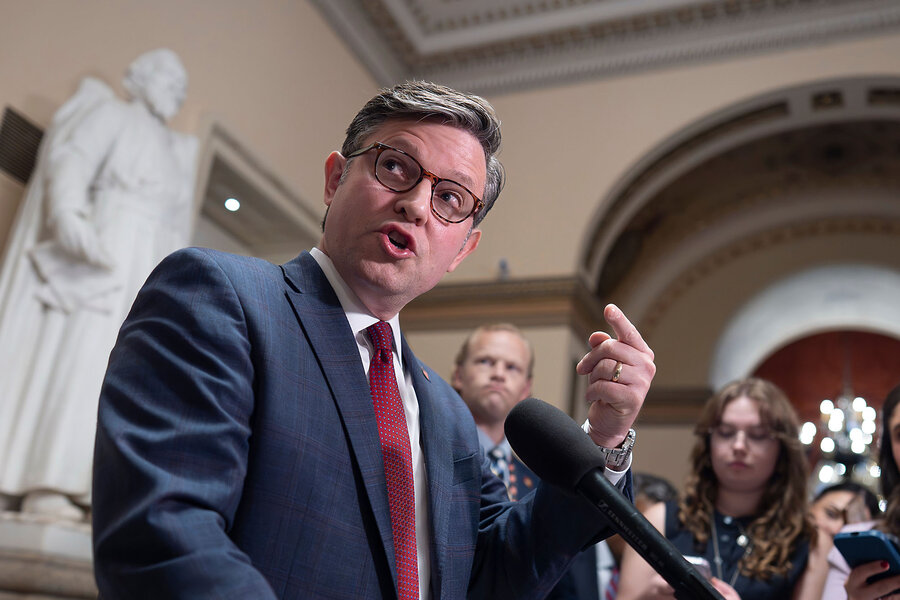
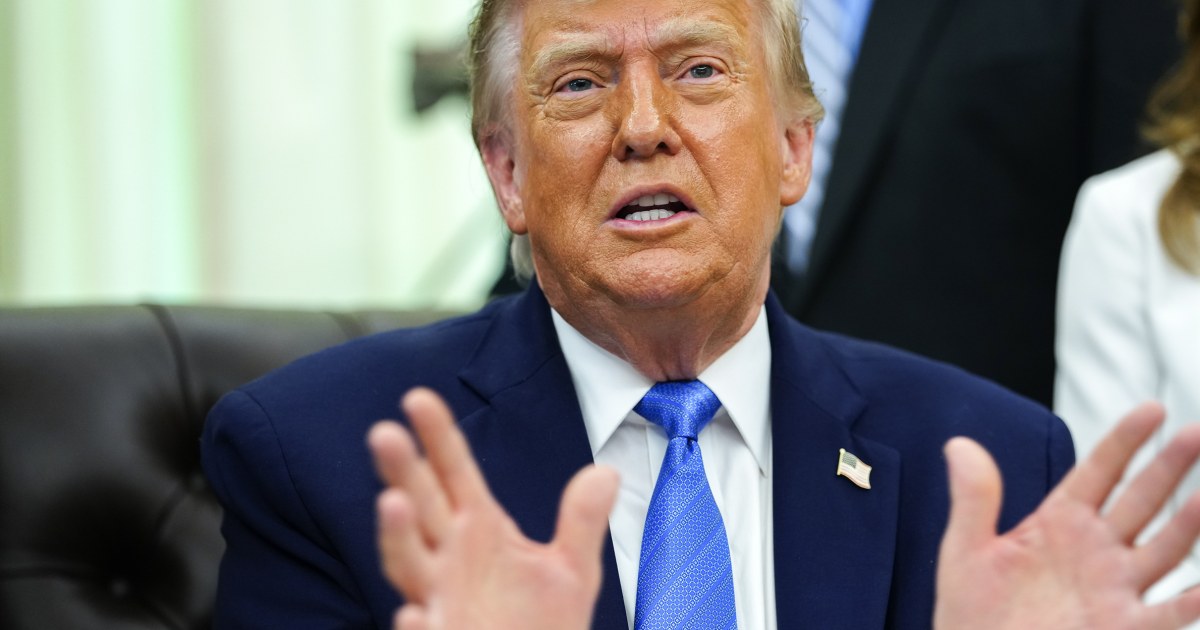
President Donald Trump has urged Congress to approve a "clean" reauthorization without added reforms, a position that has run into resistance from lawmakers across the political spectrum. A bloc of libertarian-leaning Republicans and progressive Democrats has insisted on requiring warrants before officials can search the database for Americans' communications, while Senate Judiciary Committee Republicans such as Chuck Grassley have warned that allowing the program to lapse would be a dangerous gamble that blinds U.S. agencies to foreign threats.
Adding to the uncertainty is turmoil in the intelligence leadership. Trump's recent installation of Bill Pulte, the federal housing finance chief, as acting director of national intelligence has raised questions about who would certify the program's operations and how smoothly the agencies could function if the authority briefly expires. National-security lawyers note that even a temporary lapse could force the government to wind down collection orders, though existing certifications may allow some surveillance to continue for a limited period.
With the clock running down, congressional leaders were searching for a compromise that could thread the needle between privacy demands and national-security warnings. Failure to reach a deal before June 12 would mark the first true lapse of the authority since it was created, an outcome both supporters and critics agree would carry significant consequences.