Justice Department Creates $1.776 Billion "Anti-Weaponization Fund" as Trump Drops $10 Billion Suit Over Leaked Tax Records
Under the settlement, plaintiffs receive a formal apology but no damages, while Gov. Gavin Newsom and New York vow to tax 100% of any payouts and Senate Democrats push a matching excise tax.
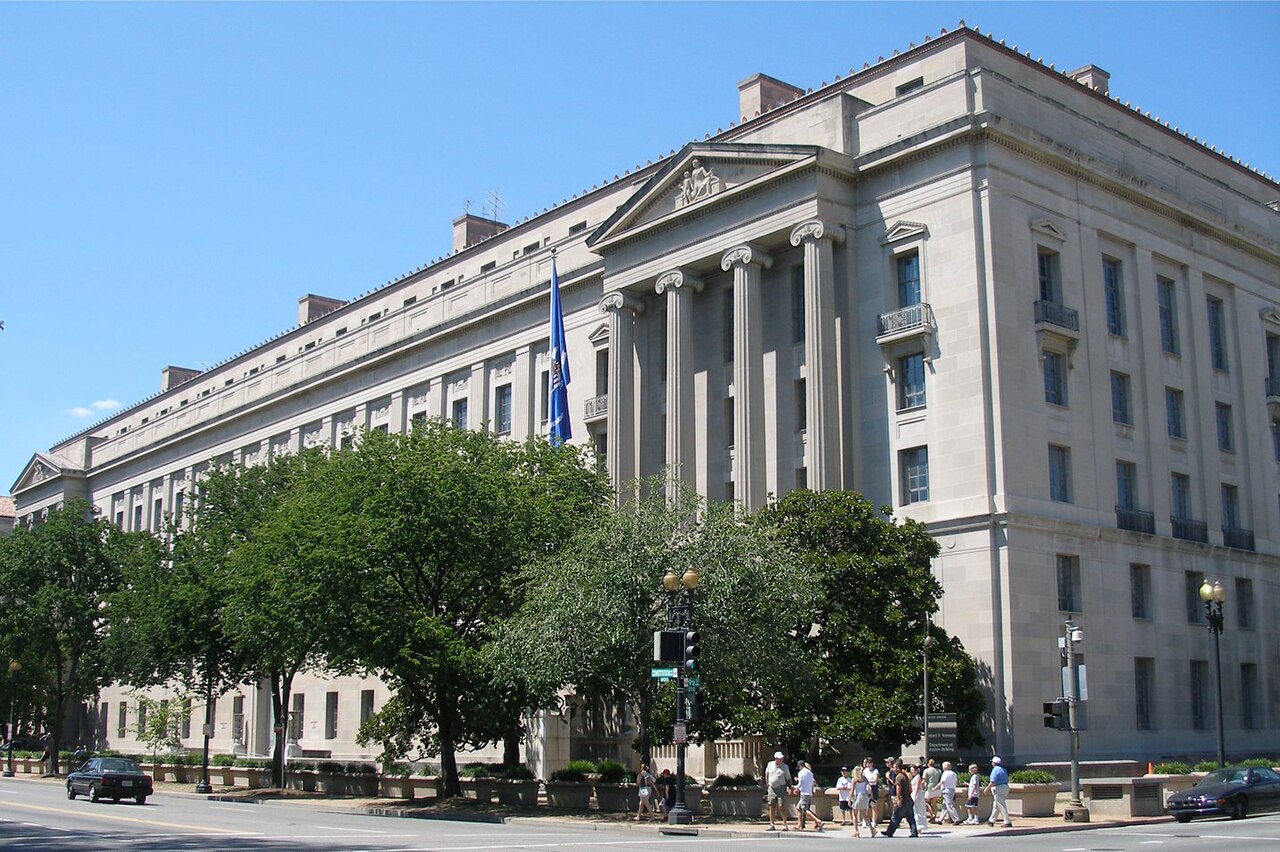
The Justice Department has announced a $1.776 billion "Anti-Weaponization Fund," an unusual settlement vehicle created as President Donald Trump moved to dismiss his own $10 billion lawsuit against the Internal Revenue Service over the leak of his tax records — a deal that has already triggered a tax-and-spend backlash from Democratic governors.
The fund was established in connection with the case styled President Donald J. Trump v. Internal Revenue Service. According to the Justice Department, the attorney general created the fund to provide "a systematic process to hear and redress claims of others who suffered weaponization and lawfare." The dollar figure itself — $1.776 billion — echoes the year 1776, a recurring motif in the administration's messaging.
Under the terms of the agreement, the plaintiffs in the underlying suit will receive a formal apology but no monetary payment or damages of any kind. In exchange, they have agreed to drop the pending lawsuit with prejudice and to withdraw two administrative claims, including one seeking damages over the 2022 FBI search of Mar-a-Lago and another tied to what the filing describes as the "Russia-collusion hoax." The structure means the headline settlement amount does not flow to the original plaintiffs but into the new fund.
The arrangement drew an immediate rebuke from California Gov. Gavin Newsom, who branded the settlement a "slush fund" and vowed to tax 100 percent of any payouts that California residents receive from it. New York officials have signaled they may pursue a similar strategy, and at the federal level, Senate Democrats have introduced legislation that would impose a 100 percent excise tax on payments from the fund — effectively zeroing out any award before it reaches a recipient.
The legal community has also pushed back. Thirty-five retired federal judges submitted a request asking a court to examine potential fraud in the settlement agreement, arguing that channeling a voluntarily dismissed lawsuit into a government-administered compensation pool raises serious questions about how public funds and the machinery of the Justice Department are being used. Supporters of the fund counter that it offers redress to Americans who say they were targeted by politically motivated investigations.
Critics across the political spectrum have questioned the basic mechanics of the arrangement: a sitting president sued a federal agency, then dismissed that suit in exchange for a fund administered by his own attorney general, with the stated purpose of compensating people who claim to have been victims of government overreach. Good-government groups warn the structure could blur the constitutional separation between the president's personal legal interests and the powers of the executive branch he leads. Tax-policy experts, meanwhile, say the dueling 100 percent levies proposed by states and congressional Democrats are themselves untested and would almost certainly invite their own court challenges if any disbursements are ever made.
The dispute sets up a likely multi-front fight in statehouses, Congress and the courts over whether the money can ever be distributed — and, if it is, whether recipients will be allowed to keep any of it.