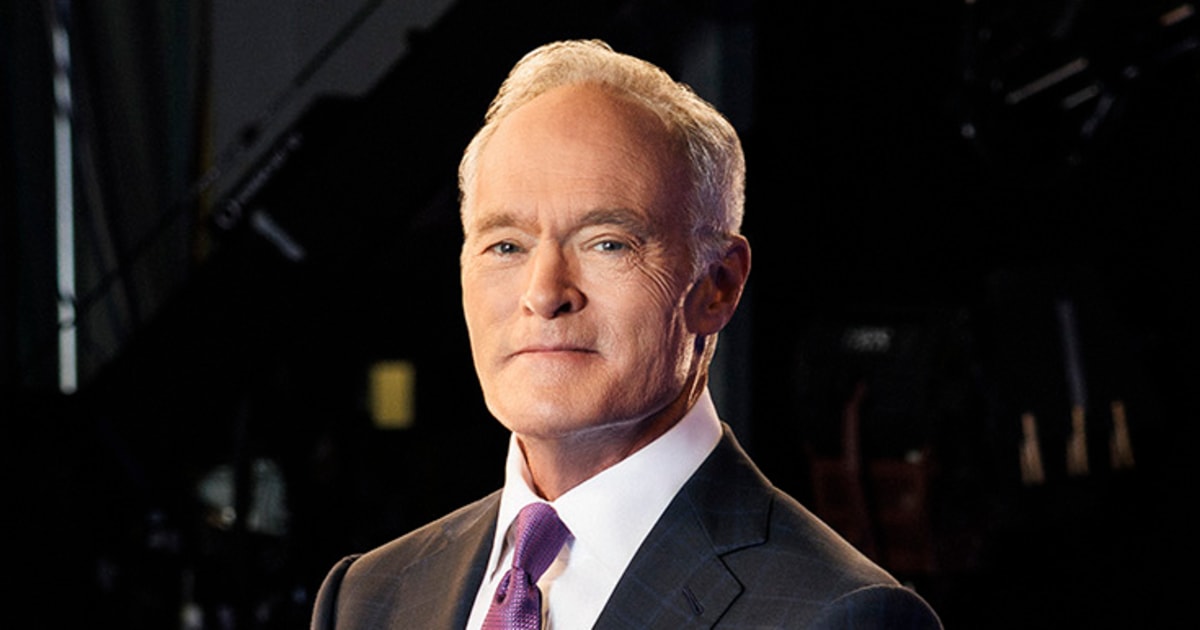
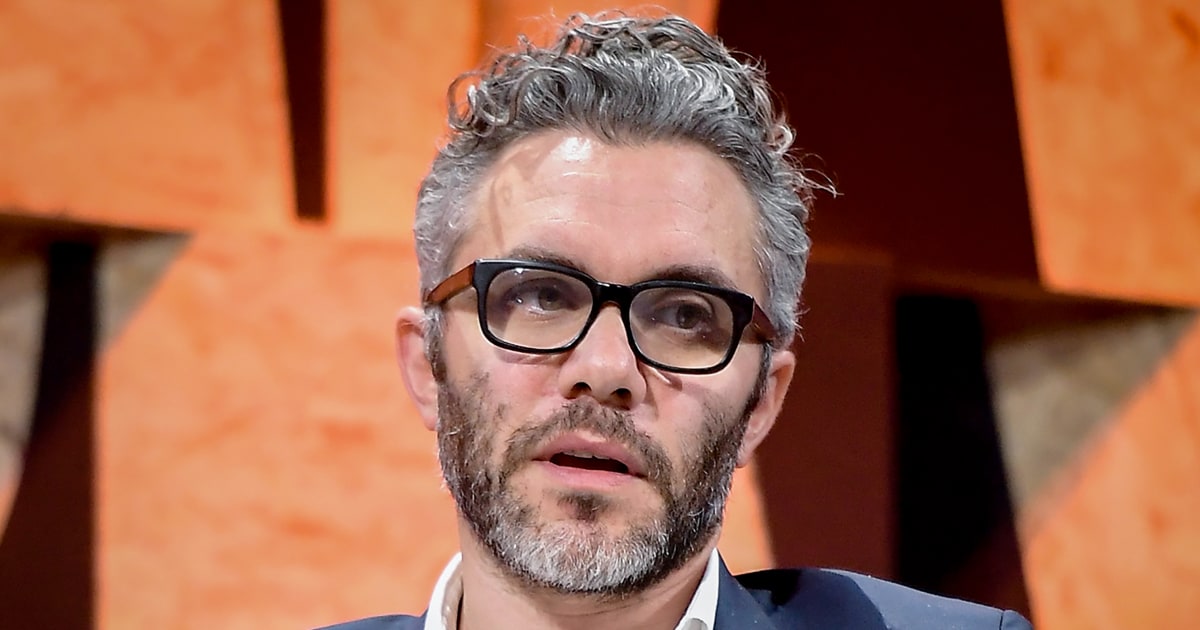
CBS News Editor-in-Chief Bari Weiss Addresses 'Unfortunate' Firing of Veteran Scott Pelley
Weiss tells network employees newsroom leaders could not 'find a way back' with longtime '60 Minutes' correspondent after heated clash with new producer. Pelley flatly rejects characterization in statement.
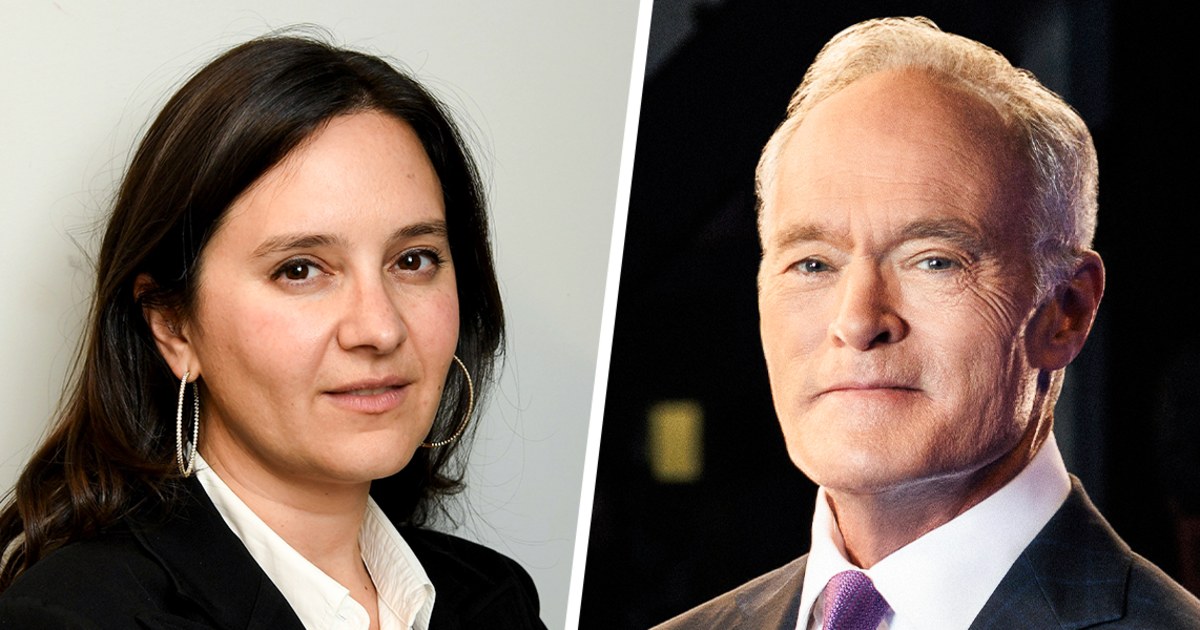
CBS News Editor-in-Chief Bari Weiss addressed network employees Wednesday about the firing of veteran "60 Minutes" correspondent Scott Pelley, describing the termination as "unfortunate" while explaining that newsroom leaders could not "find a way back" with the longtime journalist. The dismissal of Pelley, who has been a prominent figure at CBS News for decades, has sent shockwaves through the organization and raised questions about the direction of the network's flagship newsmagazine under new leadership. Weiss's comments represent the first official explanation from CBS management about the controversial decision that has divided staff and industry observers.
Pelley was fired Tuesday, one day after he confronted the show's new executive producer at what sources described as a heated staff meeting. The veteran correspondent, who previously served as anchor of the "CBS Evening News" before returning to "60 Minutes," apparently clashed with the producer over the future direction of the program. According to internal accounts, Pelley expressed strong disagreement with proposed changes to the show's format and editorial approach, leading to a confrontation that ultimately sealed his fate at the network.
In a statement of his own, Pelley flatly rejected Weiss's characterization of the situation and the network's explanation for his dismissal. The veteran journalist's response suggests a significant disagreement about the circumstances surrounding his termination and the reasons behind the editorial conflicts that led to his firing. Industry observers note that Pelley's long tenure and respected reputation within broadcast journalism make his dismissal particularly noteworthy, especially given his contributions to "60 Minutes" over many years.
The firing has highlighted tensions within CBS News as the organization undergoes significant changes in leadership and editorial direction. Weiss, who took over as Editor-in-Chief earlier this year, has been implementing changes to various CBS News programs, including "60 Minutes," which has traditionally operated with considerable editorial independence. The conflict with Pelley appears to reflect broader disagreements about how the iconic newsmagazine should evolve in response to changing media landscapes and audience expectations.
The controversy surrounding Pelley's dismissal has prompted discussions within the journalism community about editorial independence and the balance between management oversight and journalistic autonomy. "60 Minutes" has long been considered one of television's premier investigative journalism programs, and changes to its operations are being closely watched by media critics and industry professionals. The handling of Pelley's departure may influence how other veteran journalists at CBS News view their job security and editorial freedom under the current leadership structure.