Around 1 in 5 Young People Use AI Chatbots for Mental Health Advice
New survey reveals nearly 20% of adolescents and young adults turn to artificial intelligence for support when feeling sad, angry, nervous or stressed, raising questions about digital mental health resources.
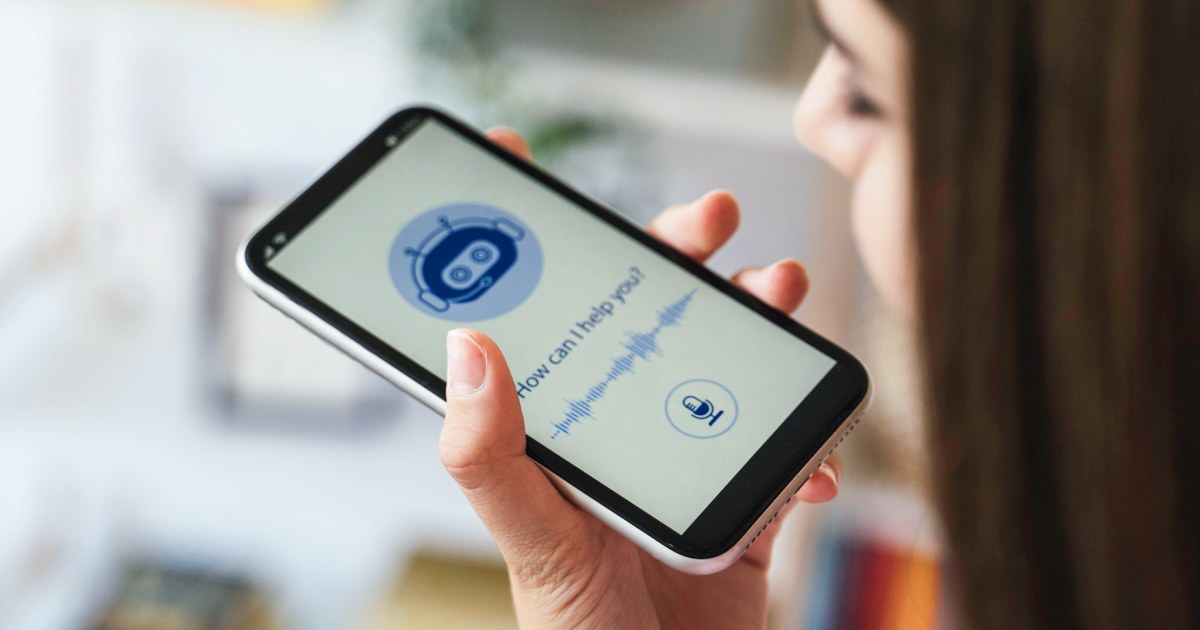
A new study has revealed that nearly one in five adolescents and young adults are turning to AI chatbots for mental health advice when experiencing emotional distress, highlighting a significant trend in how younger generations are seeking psychological support. The survey findings indicate that approximately 20% of young people have used artificial intelligence tools to help manage feelings of sadness, anger, nervousness, or stress, suggesting that AI-powered mental health resources are becoming an increasingly common form of digital self-care among this demographic.
The research comes at a time when mental health concerns among young people have reached unprecedented levels, with traditional mental health services often overwhelmed by demand and facing significant accessibility barriers. Many young people report long waiting times for professional mental health appointments, high costs for therapy sessions, and stigma associated with seeking formal mental health treatment. In this context, AI chatbots offer an immediately accessible, anonymous, and cost-free alternative that appeals to digitally native generations comfortable with technology-mediated interactions.
The study's findings raise important questions about the quality and safety of mental health advice provided by AI systems, which are not regulated as medical devices and may not be equipped to handle serious mental health crises. Mental health professionals have expressed concerns about the potential risks of relying on AI for psychological support, particularly in cases involving suicidal ideation, severe depression, or other conditions that require immediate professional intervention. However, proponents argue that AI tools can provide valuable supplementary support and may help bridge gaps in mental health care access.
Researchers noted that young people's willingness to engage with AI for mental health support reflects broader changes in how this generation approaches healthcare and emotional well-being. Many study participants reported feeling more comfortable discussing sensitive topics with AI chatbots than with human counselors, citing reduced fear of judgment and greater control over the conversation pace and content. The anonymous nature of AI interactions appears to lower barriers that might prevent young people from seeking any form of mental health support.
The survey results have prompted calls for better regulation and standardization of AI mental health tools, as well as clearer guidelines about when AI support should be supplemented with human professional care. Mental health advocates emphasize the importance of ensuring that AI chatbots include appropriate safeguards and referral mechanisms for users experiencing serious mental health crises. As AI technology continues to evolve, researchers stress the need for ongoing studies to understand both the benefits and risks of AI-mediated mental health support for young people.