Starbucks Struggles to Contain South Korea 'Tank Day' Campaign Backlash
The coffee giant faces sustained public outrage over marketing campaign widely perceived as mocking pro-democracy movement victims.
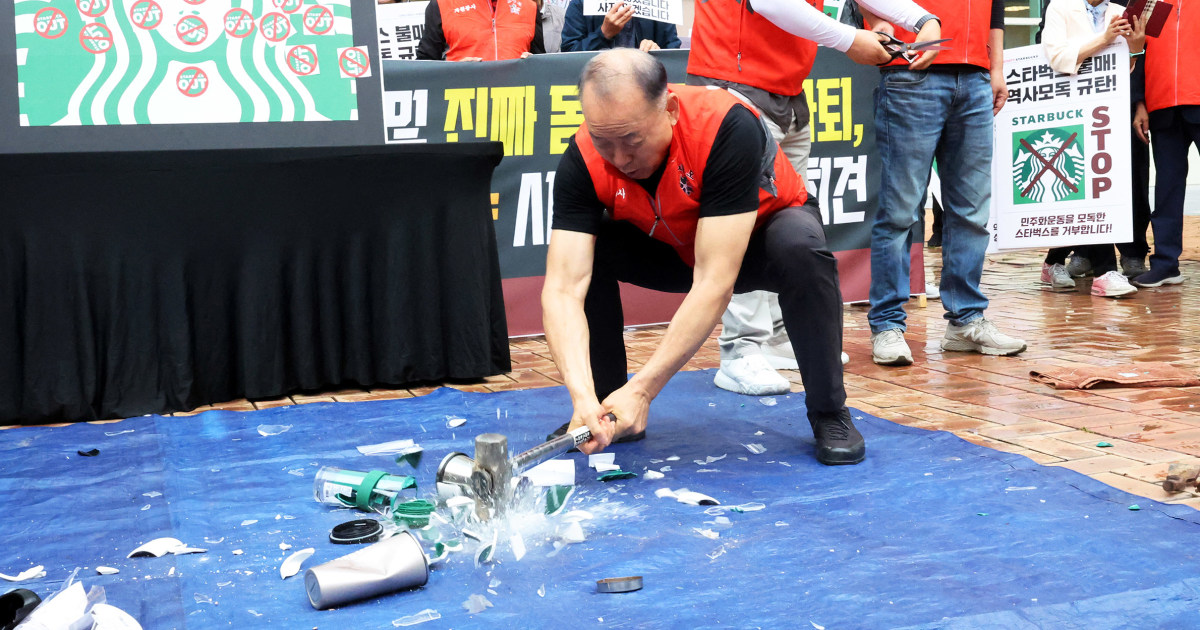
Starbucks South Korea issued another public apology Tuesday as the company faces mounting public anger over a marketing campaign that critics say mocked the victims of the country's pro-democracy movement. The "Tank Day" campaign has triggered widespread boycotts and protests, forcing the company's regional leadership to repeatedly address accusations that the promotion was insensitive to those who died fighting for democracy in South Korea.
The controversy centers on a promotional campaign that used tank imagery and messaging that many South Koreans interpreted as making light of the brutal military crackdowns that occurred during the country's democratization struggles in the 1980s. Social media users and pro-democracy activists quickly denounced the campaign as tone-deaf and disrespectful to the memory of students and civilians who were killed by military forces during that turbulent period. The backlash has spread rapidly across South Korean social media platforms, with hashtags calling for Starbucks boycotts trending for days.
Starbucks South Korea's chief executive appeared at a press conference to personally apologize for what the company now acknowledges was a serious misjudgment in its marketing approach. The executive admitted that the campaign failed to properly consider South Korea's sensitive historical context and pledged to implement stronger review processes for future promotional materials. The company has also announced plans to make charitable donations to organizations supporting democracy education and victims' families.
The incident highlights the challenges global brands face when operating in markets with complex historical sensitivities. South Korea's democratization movement remains a deeply emotional topic for many citizens, particularly older generations who lived through the military dictatorship era. The pro-democracy protests of the 1980s, which often featured confrontations between students and military tanks, are considered sacred moments in the country's political development.
Despite multiple apologies and corrective actions, public anger appears to be intensifying rather than subsiding. Protesters have gathered outside Starbucks locations in Seoul and other major cities, while online campaigns encourage consumers to support local coffee shops instead. The sustained backlash demonstrates how quickly marketing missteps can escalate into major corporate crises when they intersect with sensitive historical issues, potentially affecting Starbucks' long-term market position in South Korea.