Gut Bacteria in Infancy May Help Shield Children From Autism and ADHD, Study Finds
Researchers report that epigenetic marks present at birth steer how a baby's gut microbiome develops in the first year — and that certain patterns were linked to early signs of autism and ADHD by age three.
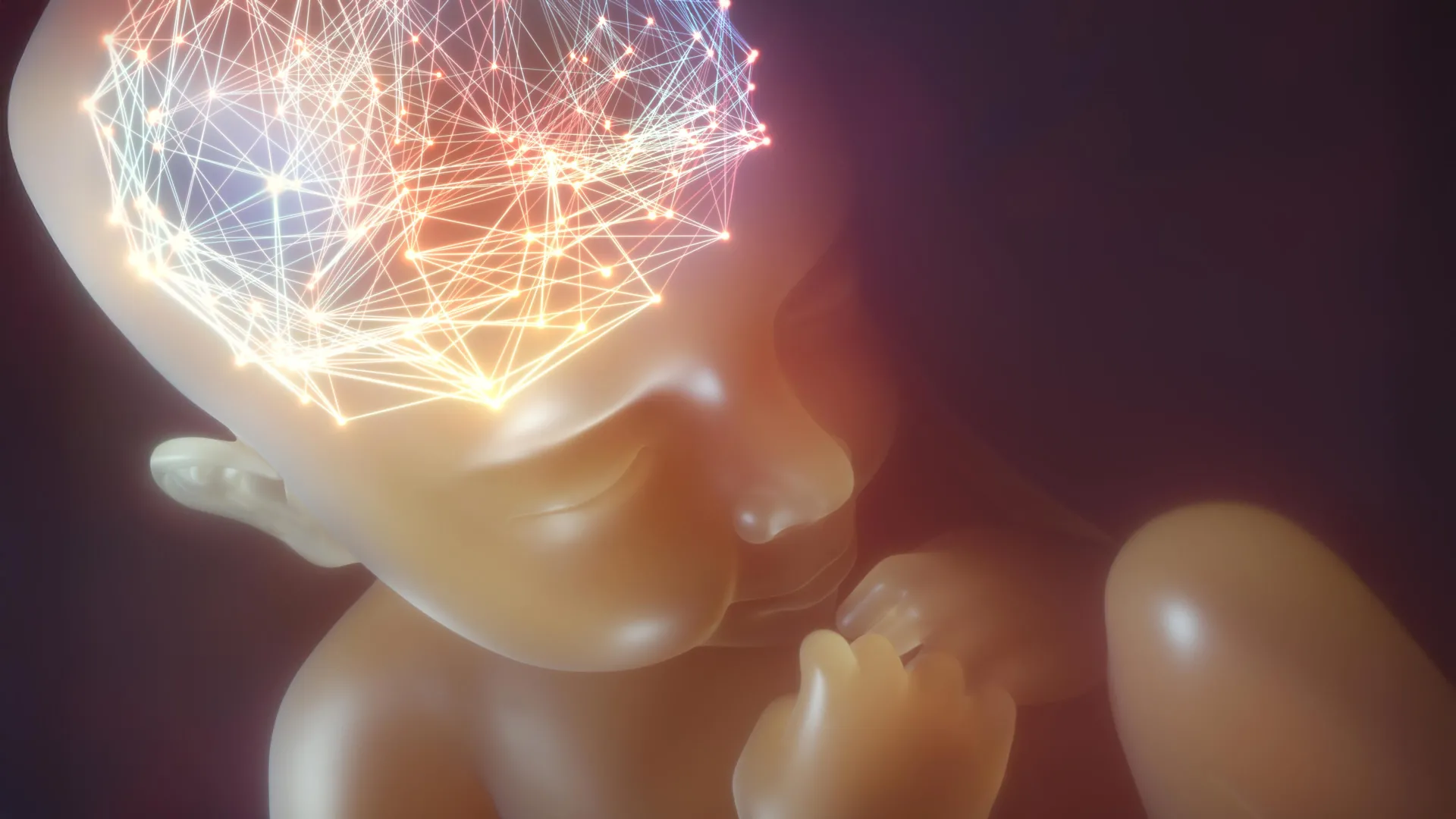
Some of the groundwork for how a child's brain develops may be laid before birth, through a previously underappreciated partnership between a baby's own genes and the trillions of microbes that colonize the gut in infancy, according to new research that links the interplay to early signs of autism and attention-deficit/hyperactivity disorder.
Scientists found that epigenetic changes present at birth — chemical tags on DNA that influence how genes are switched on and off without altering the underlying genetic code — can shape how the gut microbiome develops over a child's first year of life. Certain combinations of those early marks and microbial patterns were associated with early indicators of autism and ADHD by the time the children reached age three.
The researchers reported that babies delivered by Caesarean section showed distinct DNA methylation patterns in several genes involved in immune function and brain development, a difference that may help explain why mode of delivery has been tied in past studies to later health outcomes. The analysis also linked the epigenetic signatures to factors including the length of pregnancy, whether the child had older siblings and whether the mother had allergies.
Taken together, the findings suggest that the relationship between human genes and gut bacteria is established remarkably early and may have lasting consequences for neurodevelopment. Rather than viewing the microbiome as something that simply accumulates after birth, the study frames it as a system guided from the outset by epigenetic instructions written before a baby takes its first breath.
The work adds to a fast-growing body of evidence connecting the so-called gut-brain axis to conditions such as autism and ADHD, which together affect a substantial share of children and whose origins remain incompletely understood. If specific early microbial and epigenetic patterns can reliably flag elevated risk, researchers say, it could eventually open the door to earlier screening or interventions during a critical developmental window.
Independent experts have urged caution in interpreting the results, noting that associations identified at age three do not establish cause and effect and that the children will need to be followed for years before any firm conclusions can be drawn. They also stressed that parents should not read the findings as a verdict on choices such as a Caesarean delivery, which is often medically necessary and lifesaving regardless of any downstream microbial effects.
The authors stopped well short of claiming that gut bacteria cause — or single-handedly prevent — autism or ADHD, both of which are complex conditions shaped by many genetic and environmental influences. Instead, they describe an intricate choreography in which a baby's genes and first microbes appear to guide one another. Understanding that dialogue, they argue, could reshape how scientists think about the earliest roots of brain development.