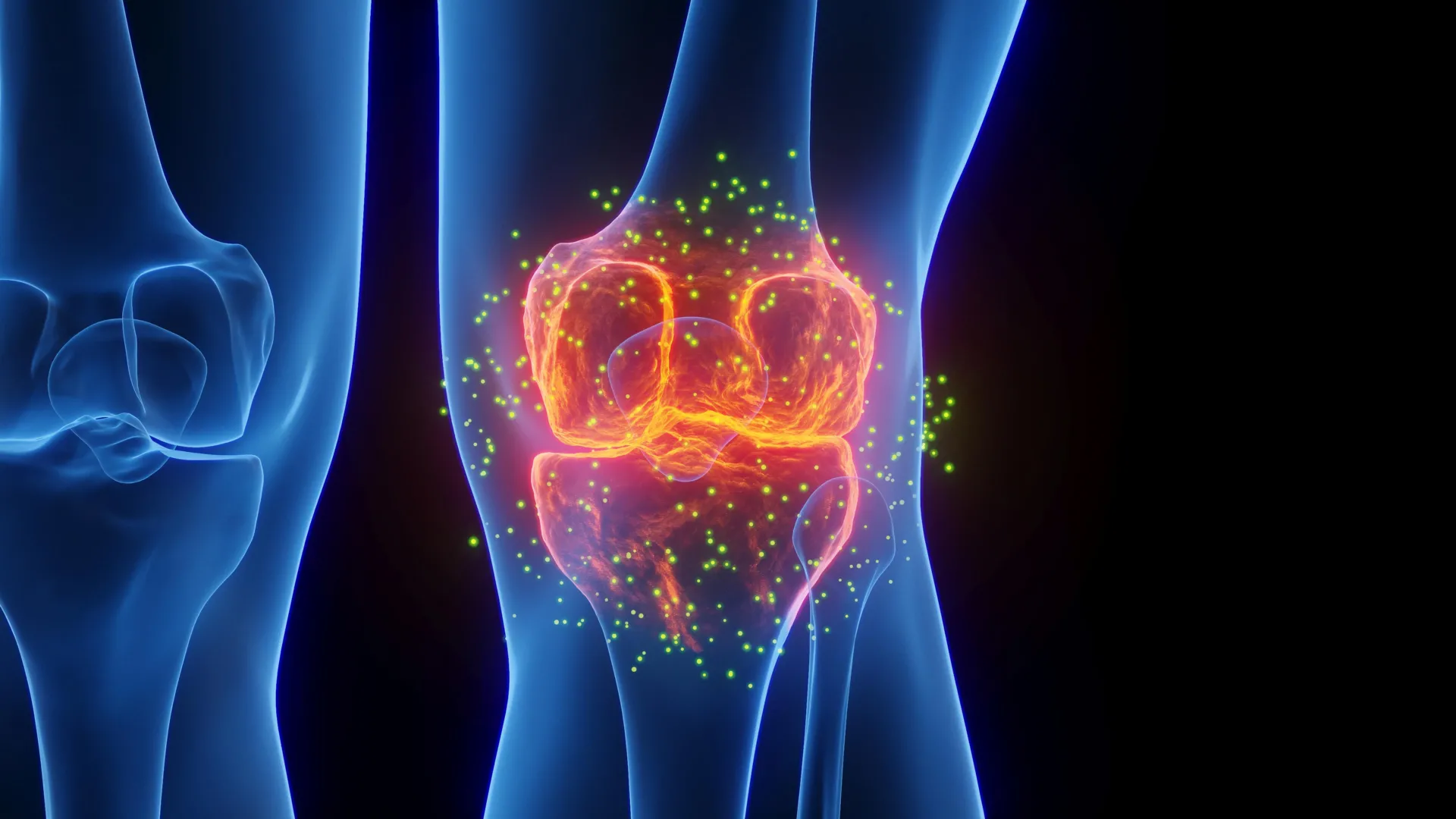
Experimental Cream Clears 'Zombie Cells' From Aging Skin and Speeds Healing, Study Finds
A topical dose of the senescence-clearing drug ABT-263 rejuvenated old skin in mice and closed wounds faster, pointing toward new treatments for surgery and chronic injuries in older adults.
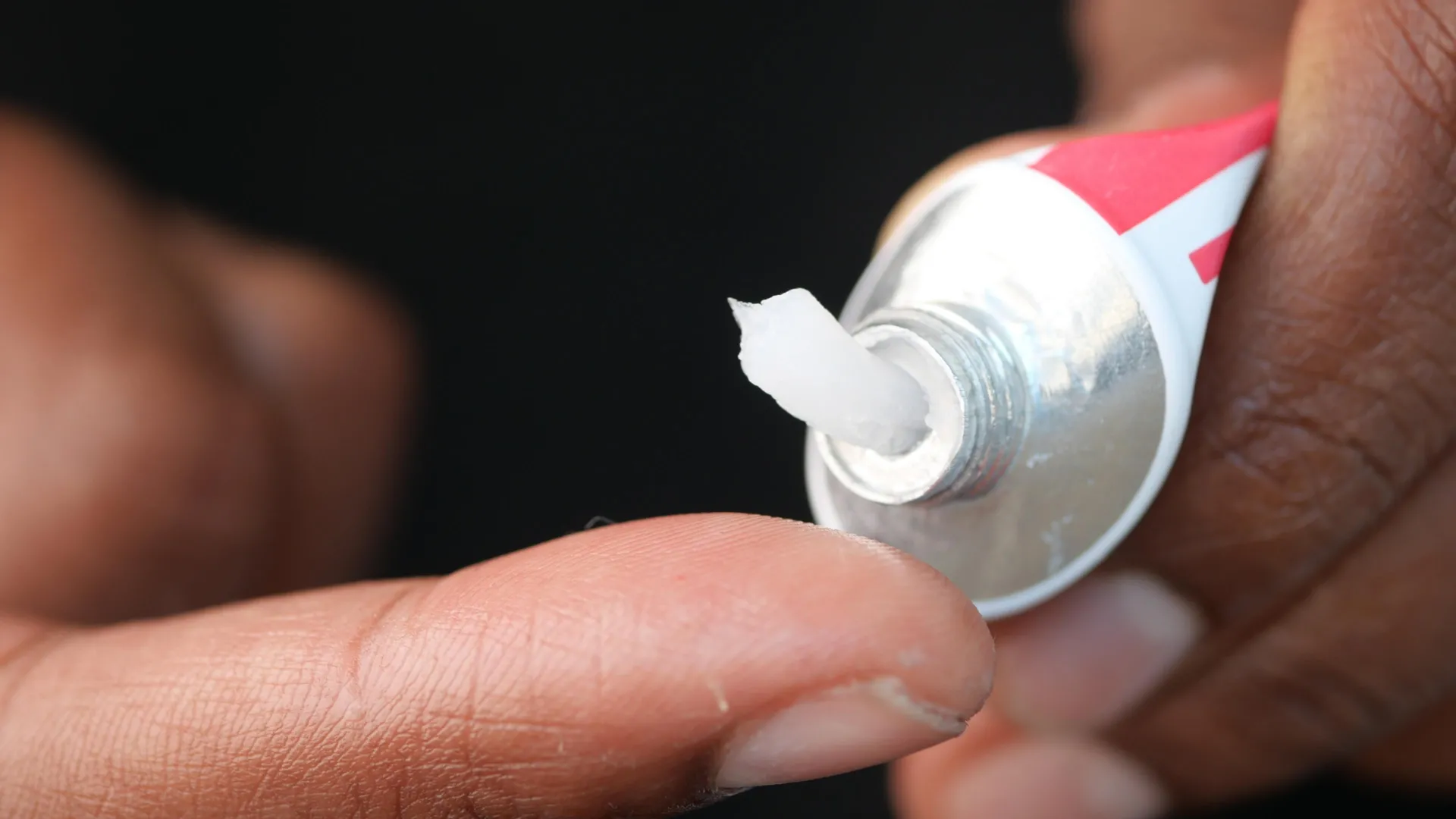
Scientists have shown that a topical drug can strip aging skin of the worn-out "zombie cells" that pile up over time and sabotage the body's ability to repair itself — and that doing so can dramatically speed wound healing in old skin, according to research highlighted this month.
The drug, ABT-263, belongs to a class of compounds called senolytics, which selectively kill senescent cells: cells that have stopped dividing but refuse to die, instead lingering in tissue and pumping out inflammatory signals that accelerate aging and slow regeneration. As people grow older, these cells accumulate in the skin and elsewhere, leaving wounds slower to close and tissue less able to bounce back.
In the study, aged mice received ABT-263 applied to their skin for five days. Afterward, the treated skin showed fewer hallmarks of cellular aging. When researchers then created small wounds, the treated animals healed noticeably faster than untreated counterparts. The drug also switched on genes tied to collagen production and tissue regeneration — the molecular machinery the body relies on to rebuild after injury.
The implications extend beyond ordinary aging. A 2026 follow-up took the concept further by engineering a localized wound dressing that carries ABT-263 directly to the injury site. In diabetic mice — a model notorious for stubborn, poorly healing wounds — the dressing reduced the burden of senescent cells and improved healing, with no detectable systemic toxicity, an encouraging sign for a class of drugs whose side effects have raised concern when given throughout the body.
ABT-263, also known as navitoclax, was originally developed as an anti-cancer agent before researchers recognized its ability to flush out senescent cells, and it has become one of the most closely studied tools in the fast-growing field of senolytics. Much of that research has focused on swallowing or injecting the drug, which can carry side effects; applying it directly to the skin or delivering it through a wound dressing is attractive precisely because it concentrates the effect where it is needed while limiting exposure to the rest of the body.
Researchers caution that results in mice do not guarantee the same benefits in people, and senolytics remain an active and sometimes contentious area of study. But the work points toward a tangible goal: treatments that could help older adults recover faster from surgery, traumatic injuries or chronic wounds such as diabetic ulcers, simply by clearing away the cells that have outlived their usefulness.