Webb Telescope Detects First Hints of Atmosphere on Earth-Sized Planet in Habitable Zone
A University of Arizona team led by Sukrit Ranjan observed faint methane signatures across four transits of TRAPPIST-1e using Webb's Near-Infrared Spectrograph — results that, if confirmed, would mark the first-ever detection of an atmosphere on a potentially habitable world beyond our solar system.
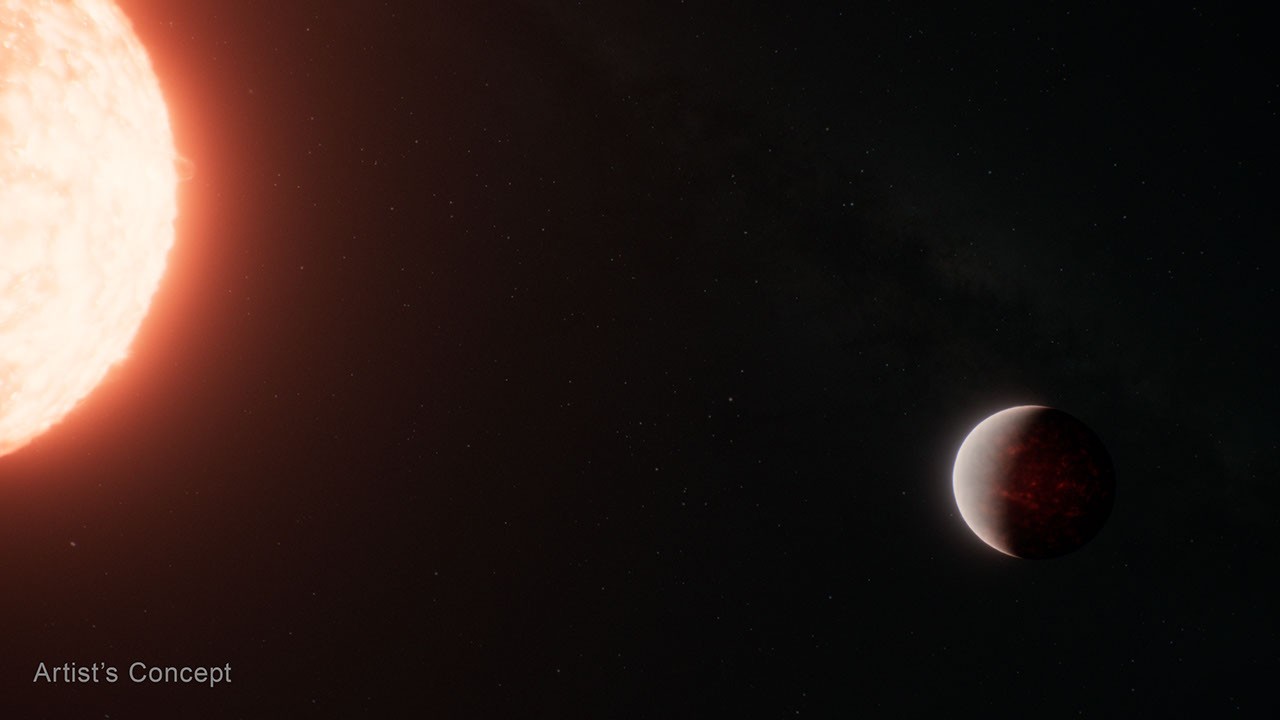
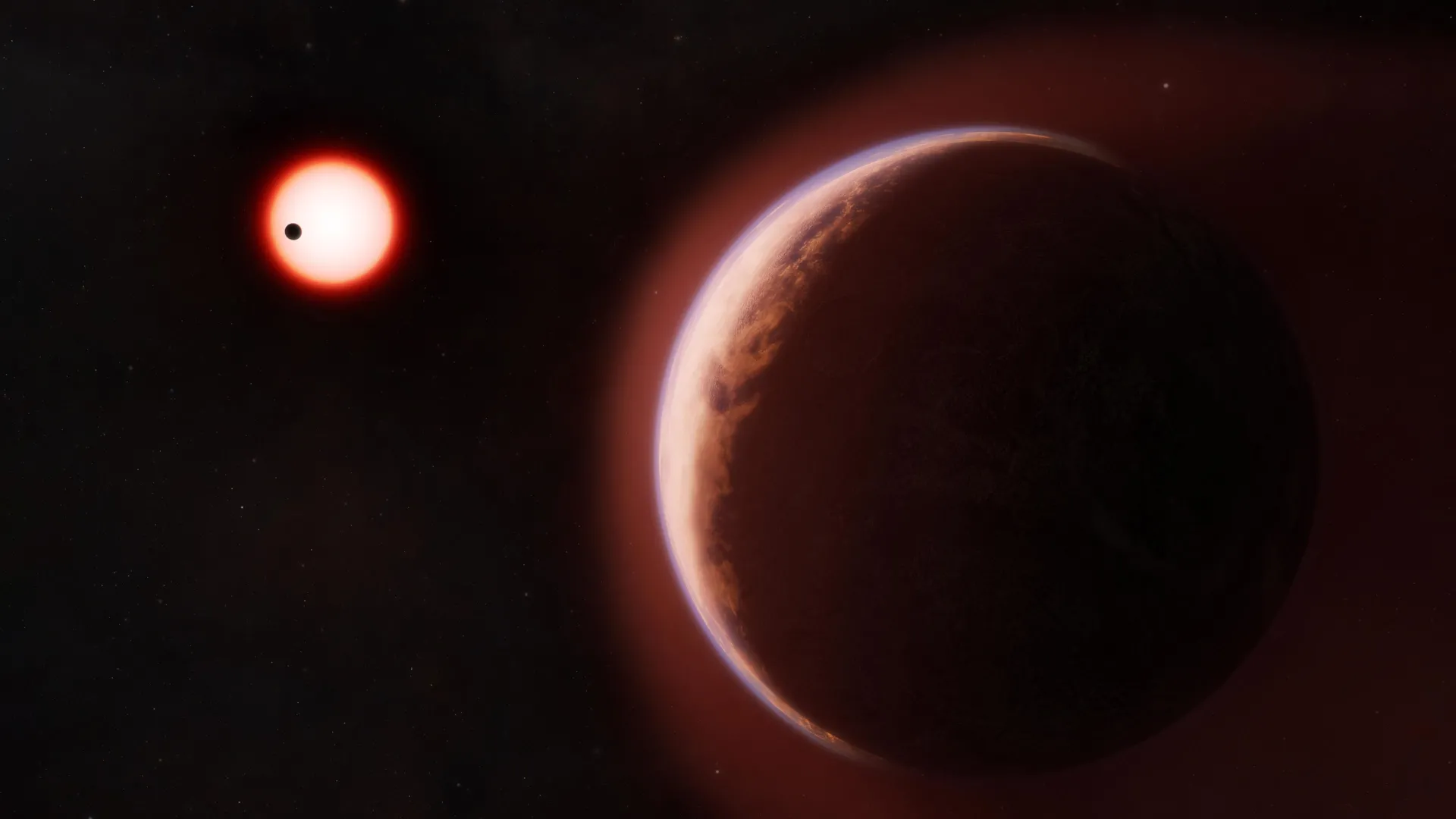
NASA's James Webb Space Telescope has detected the first tentative hints of an atmosphere on TRAPPIST-1e, an Earth-sized planet orbiting within the habitable zone of its star approximately 39 light-years from our solar system — a finding that, if confirmed, would mark the most significant milestone yet in the decades-long search for potentially life-supporting worlds beyond our sun. The discovery, reported in new findings from the University of Arizona's Lunar and Planetary Laboratory, is cautiously preliminary: lead researcher Sukrit Ranjan and his team observed faint signs of methane across four transits of the planet using Webb's Near-Infrared Spectrograph instrument in 2023, but acknowledge that the signal may be contaminated by methane in the star's own atmosphere rather than the planet's.
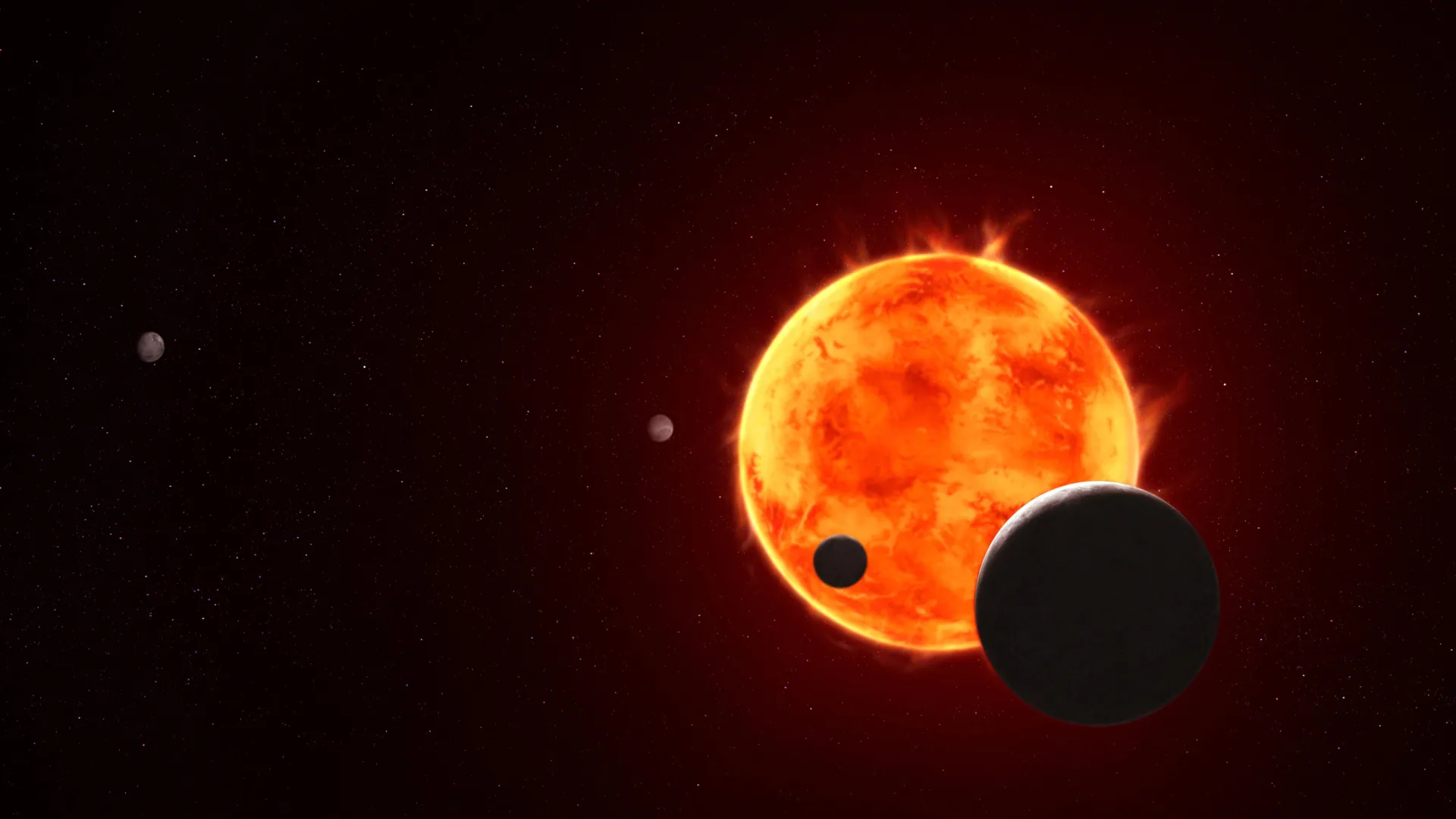
TRAPPIST-1e is the fifth of seven rocky planets orbiting TRAPPIST-1, an ultracool red dwarf star roughly 8 percent the size of our sun. All seven planets in the TRAPPIST-1 system have been subjects of intense scientific scrutiny since their discovery in 2017, but TRAPPIST-1e occupies a uniquely privileged position: it sits in the star's habitable zone — the orbital range where a planet receives enough energy to sustain liquid water on its surface, assuming it has a suitable atmosphere. Previous Webb observations of other TRAPPIST-1 planets found no evidence of atmospheres on the innermost worlds, which appeared to be bare rock baked clean by stellar radiation. The detection of even tentative atmospheric signals on TRAPPIST-1e is therefore significant, even allowing for considerable uncertainty in the data.
The methane signature observed by Ranjan's team, if attributable to the planet's atmosphere rather than its star, would suggest a nitrogen-dominated environment somewhat analogous to that of Saturn's moon Titan — cold, chemically active, and potentially sheltering complex organic chemistry. A methane-rich atmosphere on TRAPPIST-1e would not necessarily indicate life, as methane can be produced by geological as well as biological processes, but it would raise the scientific probability of habitability substantially. "What we need," Ranjan told his colleagues, "is to determine whether the methane is attributable to molecules in the atmosphere of the planet or in the host star." The active star itself presents one of the key challenges: TRAPPIST-1 is prone to frequent stellar flares and star spots that can produce spectral contamination mimicking atmospheric signals in a planet's transit data.
To disentangle stellar noise from genuine atmospheric signals, the research team has scheduled 15 additional JWST observations of TRAPPIST-1e's transits, including comparative observations alongside the airless inner planet TRAPPIST-1b — a technique called dual transit observation that allows scientists to isolate the planetary contribution to the spectra by subtracting the stellar baseline. NASA's Pandora mission, a small-satellite telescope designed specifically to characterize stellar activity and its contamination effects on exoplanet transit data, was launched in early 2026 and is expected to provide crucial supplementary data for the TRAPPIST-1 system within the next 12 to 18 months. Scientists say the combination of Webb and Pandora observations could definitively answer whether TRAPPIST-1e has an atmosphere within the next two to three years.
The stakes of that answer are difficult to overstate. Confirming an atmosphere on a terrestrial planet in another star's habitable zone would be the first such detection in human history and would fundamentally transform the scientific and philosophical debate about life in the universe. Even a null result — a definitive finding that TRAPPIST-1e is also airless — would be scientifically valuable, constraining models of atmospheric escape around red dwarf stars and narrowing the parameters of where life-supporting conditions are actually likely to exist. MIT researchers, in a separate study published last autumn, found that TRAPPIST-1e is unlikely to have a Venus-like or Mars-like atmosphere, which actually increases the probability that if it has an atmosphere at all, it is Earth-like or Titan-like in composition. Whether it does remains one of astronomy's most eagerly awaited open questions.