Trump Signs Emergency Order to Restart TSA Pay as House Passes 60-Day DHS Funding Bill in Party-Line Vote
After 42 days without paychecks, 61,000 TSA workers are set to receive back pay by Monday after Trump invoked nexus funding authority — but with the Senate in recess and the House and Senate bills incompatible, the underlying shutdown crisis remains unresolved.

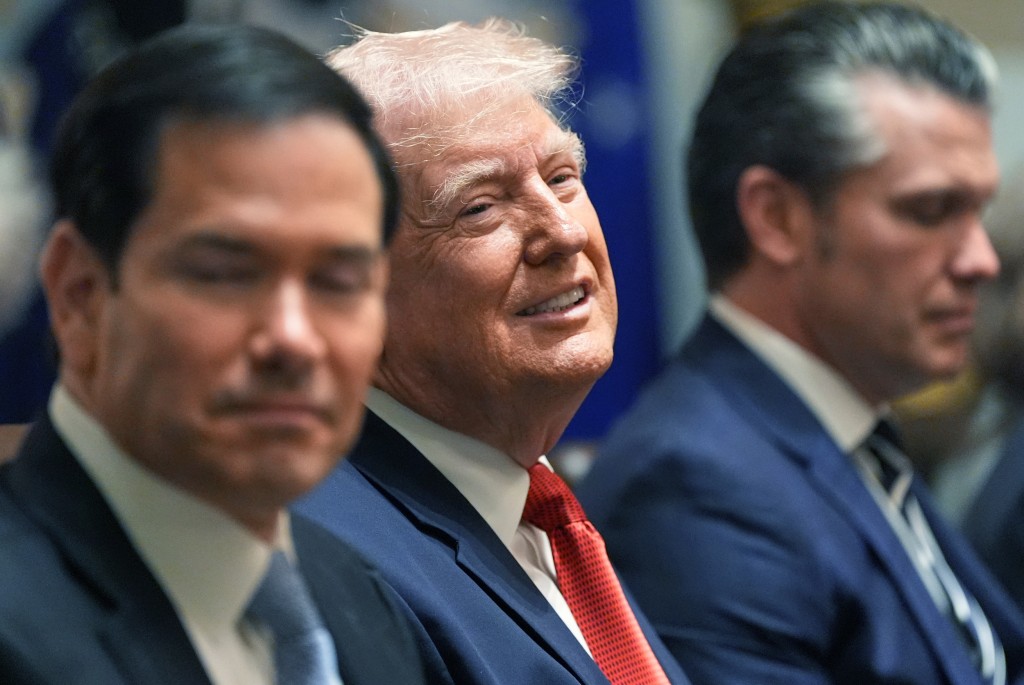
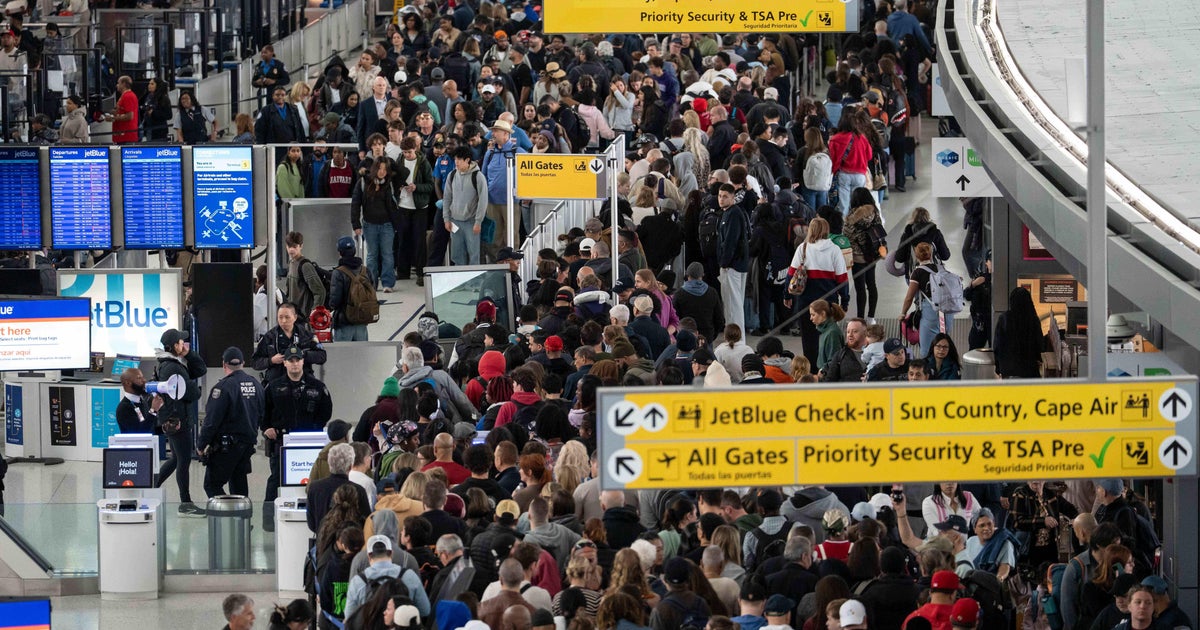
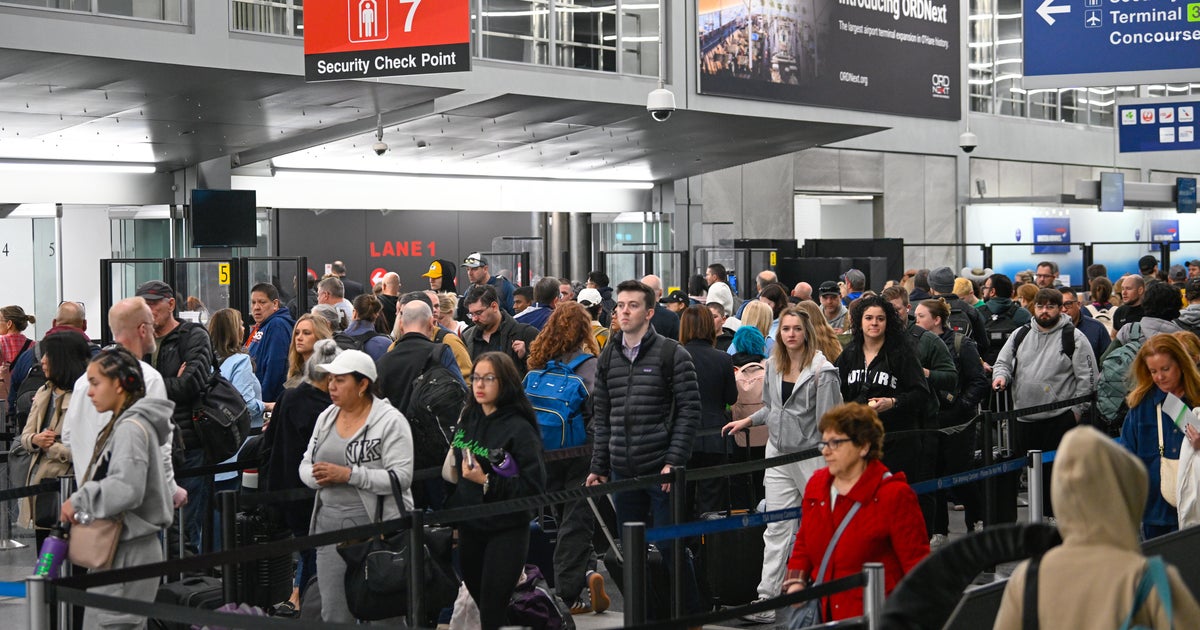
President Trump signed a presidential memorandum on March 26 directing the Department of Homeland Security to immediately begin compensating the roughly 61,000 Transportation Security Administration workers who had gone without pay for more than 42 days — the longest partial government shutdown in American history. The order directed DHS Secretary Markwayne Mullin to use funds with 'a reasonable and logical nexus to TSA operations' to restart paychecks, with the department announcing that first payments were expected to arrive by Monday, March 30. The move offered critical relief to an airport security workforce that had been calling in sick at record rates, generating four-hour lines and dozens of canceled flights at major US airports.
The shutdown began on February 14 after Senate Democrats refused to approve DHS funding in the wake of a federal immigration enforcement operation in Minneapolis in which two US citizens, Alex Pretti and Renee Good, were fatally shot. Democrats demanded accountability measures and changes to ICE oversight before restoring the department's funding. Republicans refused to separate ICE from the broader DHS appropriation. The resulting standoff has now lasted longer than any partial government shutdown in US history, surpassing the 35-day record set in 2018-2019.
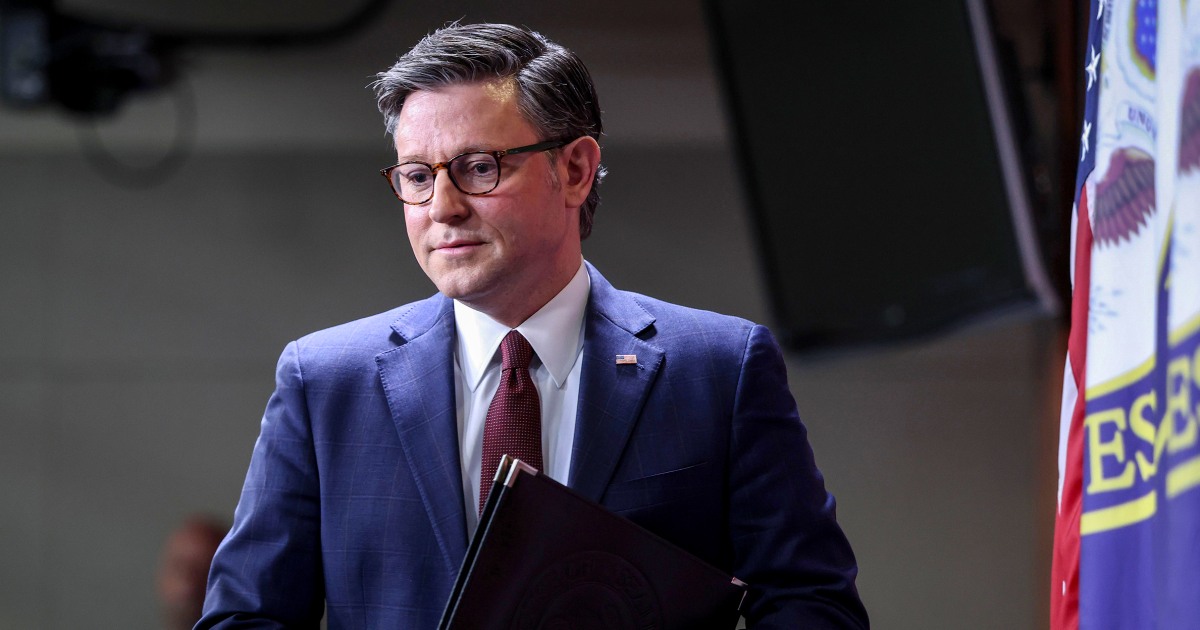
On March 27, the House voted 213-203 to pass a 60-day continuing resolution that would fund all DHS agencies — including ICE and Customs and Border Protection — at current levels through May 22. Three moderate Democrats crossed party lines to provide the margin of passage. But the bill was immediately declared dead in the Senate by Minority Leader Chuck Schumer, who called it 'a political stunt that does nothing to address the underlying crisis' and noted the Senate had already passed a bipartisan alternative that funded most DHS operations but excluded ICE. With the Senate departing for a two-week recess without taking up the House bill, the two chambers remained locked in an impasse with no clear resolution timeline.
The human cost of the shutdown has been severe. TSA confirmed that 510 officers had resigned since February 14, with the agency logging a single-day callout rate of 55 percent at Houston Hobby International Airport on March 14 — the highest ever recorded. Airlines reported cascading delays and cancellations as security checkpoints at more than a dozen smaller airports were closed for lack of staff. Passengers at LaGuardia, O'Hare, and Los Angeles International described lines stretching outside terminal buildings in the pre-dawn hours. The Transportation Security Officers Coalition, the union representing TSA workers, said Trump's memorandum was 'a band-aid on a gunshot wound' and called on Congress to pass a clean funding bill that did not tie TSA pay to the broader immigration standoff.
Trump announced the order via Truth Social, writing that he was acting to stop 'Democrat Chaos at the Airports' and characterizing the shutdown as 'an unnecessary national security risk.' The memorandum relied on executive interpretation of existing appropriations authority that Democrats described as legally dubious. Congressional Budget Office analysts said Trump's order did not actually resolve the underlying funding lapse — it effectively borrowed against future appropriations — and that without a congressional agreement, TSA workers could again face pay interruptions when the executive order's legal authority was exhausted. The standoff left airport security in a state of institutional strain that experts said would take months to fully repair even after a funding deal was reached.