366 TSA Officers Have Quit During Government Shutdown, Leaving Spring Break Travelers Facing 3-Hour Security Lines
Unpaid TSA workers are walking off the job at record rates — with callout spikes above 50% at some airports — as a DHS funding stalemate between Congress and the White House enters its fifth week with no end in sight.

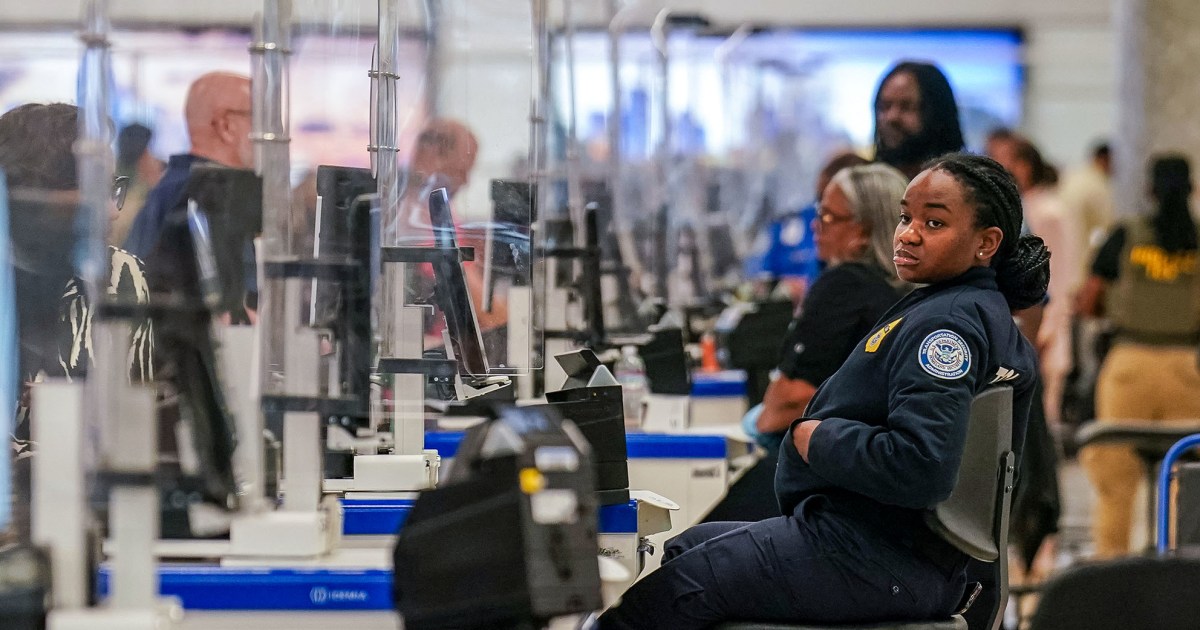
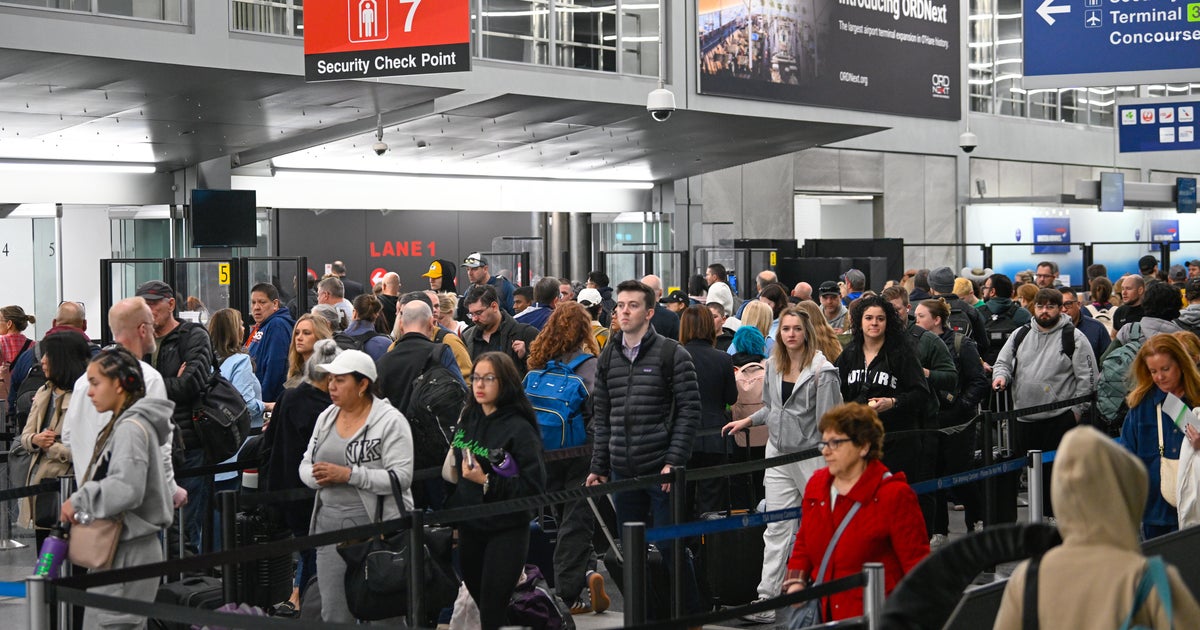
More than 366 Transportation Security Administration officers have quit since a partial government shutdown began in mid-February 2026, and callout rates at major airports have spiked to crisis levels, leaving spring break travelers facing security lines stretching two to three hours at some of the country's busiest hubs. The staffing collapse, driven by TSA workers going without full paychecks for the fifth consecutive week, has drawn fresh calls in Congress to end a funding stalemate between the White House and Democrats over Department of Homeland Security appropriations — with no resolution apparent as of Friday.
The scale of the staffing disruption became vividly clear at Houston's George Bush Intercontinental Airport, where TSA wait times in Terminal E topped three hours on Friday morning against a baseline of under ten minutes. On March 14 and 15, the callout rate for unscheduled absences at Houston Hobby Airport reached 55 percent — meaning more than half of scheduled officers simply did not appear for their shifts. Atlanta's Hartsfield-Jackson International Airport, the world's busiest by passenger volume, recorded callout spikes above 30 percent over the same period, stretching lines that typically move within 20 minutes to waits exceeding an hour during peak hours. TSA Administrator David Pekoske said Friday that the agency was deploying supervisory staff and retirees on voluntary duty assignments to backfill absent officers, but acknowledged the measures were "not sufficient to fully offset the impact of the staffing shortfall."
The partial shutdown began when Congress failed to pass a full DHS funding bill by the February 15 continuing resolution deadline. Republicans and the White House demanded that any DHS appropriation include a package of immigration enforcement provisions — including mandatory E-Verify for employers, expanded expedited removal authority, and a border wall supplemental appropriation — that Senate Democrats refused to accept. The impasse left approximately 61,000 DHS civilian employees, including all 50,000-plus frontline TSA officers, working without scheduled pay. Under federal law, essential security employees must continue working during shutdowns but are entitled to back pay once funding is restored — a legal guarantee that has historically limited walkouts. This shutdown has challenged that assumption: workers who quit forfeit any back pay entitlement but relieve themselves of the financial stress of carrying mortgages and monthly bills on deferred compensation.
The DHS press office issued a statement blaming Congressional Democrats for what it called "a reckless decision to hold American travelers hostage" by refusing to pass appropriations. Democratic appropriations leaders countered that the administration's demands represented "a poison pill" that went far beyond any prior funding negotiation. Senate Majority Leader John Thune has not scheduled a vote on a standalone DHS bill, and Speaker Mike Johnson said Friday that the House is not planning to advance legislation that does not include the administration's immigration priorities. White House press secretary Karoline Leavitt said the administration was considering emergency authorities to transfer funds from other accounts to maintain TSA operations but that no decision had been made.
For travelers, the practical consequences are compounding. Airlines including United, Delta, and American have issued waivers allowing passengers to rebook without change fees through the end of March, anticipating that long security lines will cause widespread missed connections. The travel industry estimates the shutdown has cost airlines and related businesses more than $400 million in diverted bookings, canceled spring break trips, and operational disruptions since mid-February. The TSA union, the American Federation of Government Employees, filed a federal labor complaint arguing that the administration's refusal to negotiate with Congress on a clean funding bill constitutes an unfair labor practice. The White House has not commented on the complaint. At airports including Denver, Seattle-Tacoma, and Chicago O'Hare, TSA has installed additional lane markers and deployed crowd management technology to reduce the visible length of security queues — a measure that critics say addresses optics rather than the fundamental staffing shortage underlying the crisis.