Trump Transfers $1.7 Trillion Student Loan Portfolio to Treasury in Biggest Education Dept. Gutting Yet
In the 10th interagency agreement to dismantle the Education Department, the Trump administration announced a three-phase plan to move all student loans — including 9.2 million in default and eventually FAFSA — to the Treasury, raising legal challenges and borrower confusion.
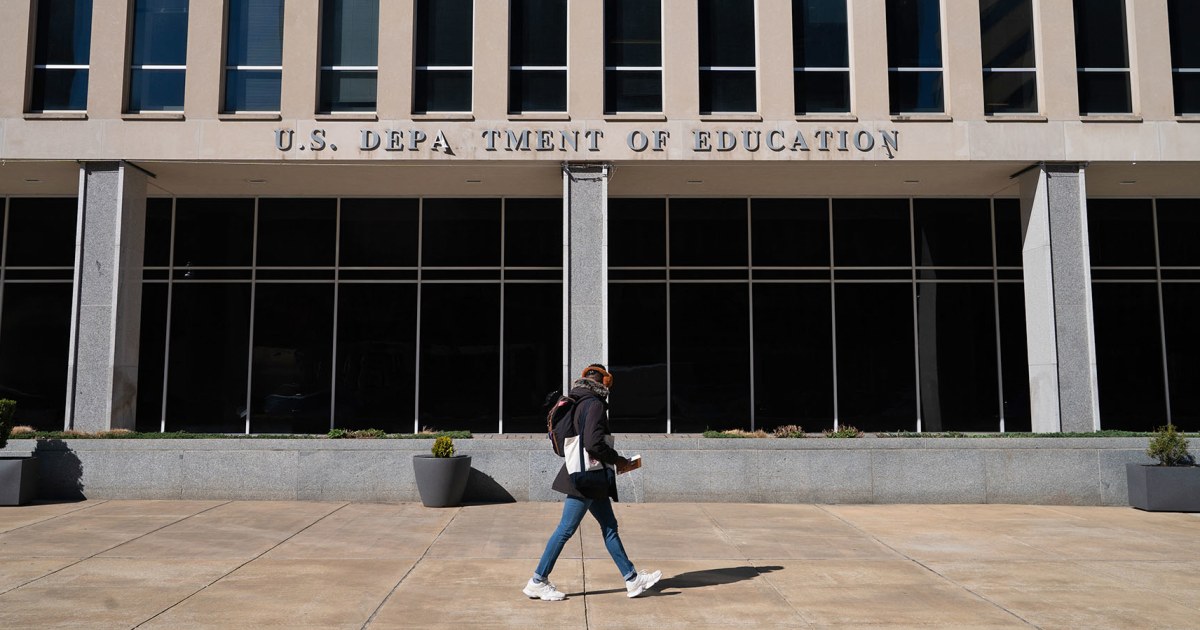
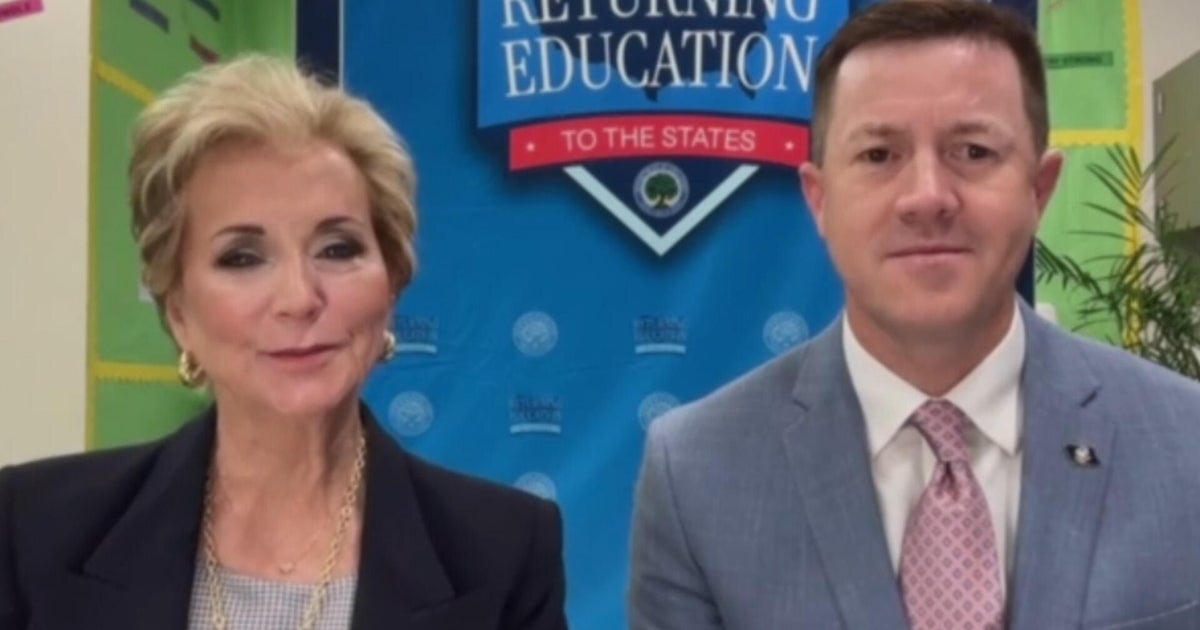
The Trump administration announced on Thursday a sweeping three-phase plan to transfer the federal government's nearly $1.7 trillion student loan portfolio from the U.S. Department of Education to the U.S. Treasury Department — the most consequential step yet in the administration's yearslong campaign to shutter an entire federal agency. The agreement, signed between Education Secretary Linda McMahon and Treasury Secretary Scott Bessent, marks the 10th interagency deal the administration has struck to pry apart the Education Department's operations and redistribute them to other agencies, a strategy designed to work around the requirement that only Congress can formally close a cabinet department.
In the first phase, Treasury will immediately resume collecting on defaulted federal student loans — about $180 billion worth, representing 11 percent of the total loan portfolio and affecting roughly 9.2 million borrowers who are currently in default, plus an additional 2.4 million in late-stage delinquency. The second phase, with no specified timeline, would expand Treasury's authority to cover non-defaulted loans "to the extent practicable." The third and final phase would transfer administration of the Free Application for Federal Student Aid, known as FAFSA, which is the gateway through which more than 17 million students each year apply for financial aid.
"By leveraging Treasury's world-renowned expertise in finance and economic policy, we are confident that American students, borrowers, and taxpayers will finally have functioning programs after decades of mismanagement," Education Secretary McMahon said in a statement. She called the agreement a "historic step toward breaking up the federal education bureaucracy," language that echoes President Trump's repeated campaign pledges to abolish the department entirely.
For the more than 40 million Americans who hold federal student loans, the administration said the change would be seamless. Borrowers will continue dealing with their existing loan servicers — companies like Nelnet and MOHELA — and will repay loans exactly as before. But student loan advocates expressed alarm about the uncertainty created by yet another structural change to a system that has already been buffeted by repeated rule shifts, court battles, and servicer transitions.
"This will just be another big policy shift, another big implementation shift," said Roxanne Garza, director of higher education policy at the nonprofit EdTrust. "For borrowers who are already confused and struggling, this adds another level of chaos and confusion and complexity." A spokesperson for the National Consumer Law Center warned that Treasury's previous attempt to collect defaulted student loans in a 2015 pilot program showed lower success rates than private collection agencies, raising questions about whether the transition will actually help borrowers return to good standing.
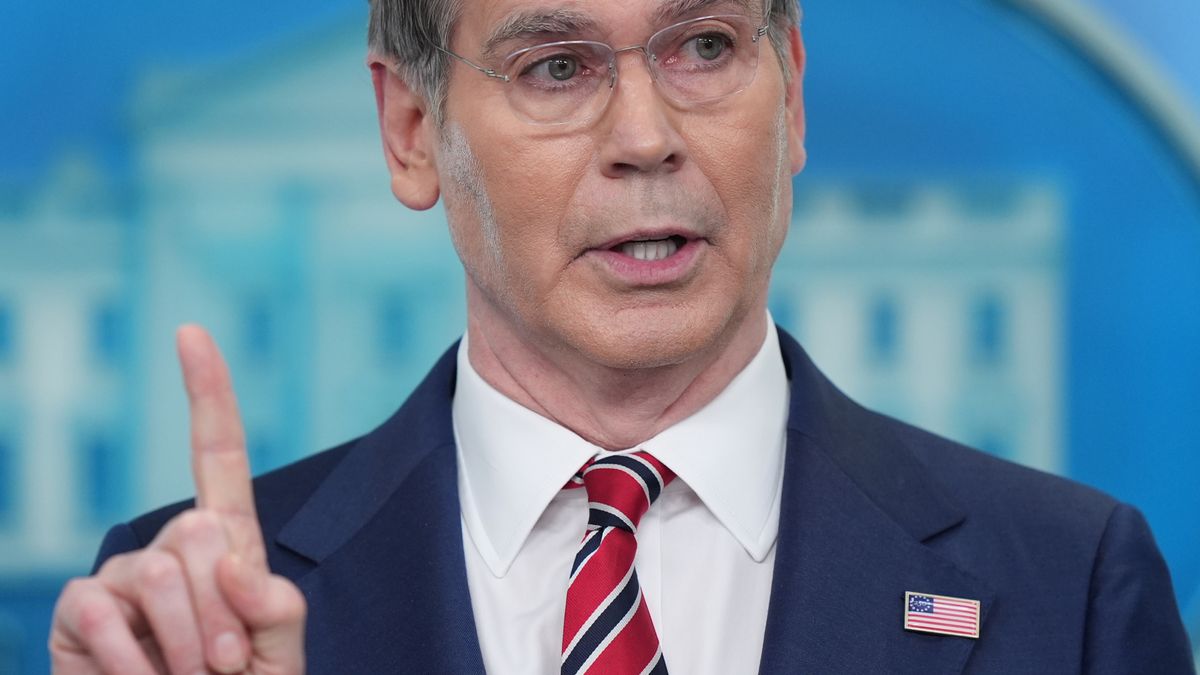
The legal landscape is murky. Federal statute explicitly requires that student loan programs be administered by the Secretary of Education, and several congressional Democrats and legal experts said Friday that the agreement likely violates the law. "Secretary McMahon cannot just hand over a statutory duty to Treasury and call it an interagency partnership," said Rep. Hakeem Jeffries of New York, the House minority leader. "Congress writes the law. One cabinet secretary cannot unilaterally rewrite it."
The announcement comes as the Education Department has already shed more than half its workforce through layoffs and buyouts since January 2025. The agency once employed roughly 4,000 people; current estimates put staffing at fewer than 1,600. With the FAFSA system, student loan servicing contracts, and now the core loan portfolio being distributed to other agencies, critics say the department is being hollowed out in ways that may be very difficult to reverse.
Beyond the immediate borrower impact, higher education experts warned about the downstream effects on college access. FAFSA data drives hundreds of billions of dollars in state and institutional financial aid decisions each year. If the system migrates to Treasury and experiences the kind of technical disruptions that plagued FAFSA's 2023 overhaul — when software glitches delayed processing for millions of students — the consequences for enrollment could be severe, particularly at community colleges and regional universities where students are most dependent on federal aid.