Trump Threatens China With 50% Tariffs Over Reports That Beijing Is Preparing Arms Shipment to Iran
Intelligence reports suggesting China may transfer military equipment to Tehran prompted a White House warning of "severe consequences" at a moment when US-China trade tensions are already near a breaking point.

President Donald Trump threatened to impose sweeping 50 percent tariffs on all Chinese goods entering the United States after U.S. intelligence officials briefed him on reports suggesting that Beijing was preparing to transfer significant quantities of military equipment to Iran — a move that, if confirmed, would represent a dramatic escalation of China's involvement in the eight-week-old Iran conflict and could fracture the fragile commercial détente between Washington and Beijing. The threat was issued in mid-April and referenced in public statements by senior White House officials, who declined to confirm specific tariff figures but warned of "severe consequences" if China provided material support to Iran's military.
The intelligence reports, details of which have not been independently confirmed, described a potential shipment that could include advanced drone components, electronic warfare systems, and precision-guided munitions technology — categories of weaponry that American officials argued would directly enable Iranian military operations and undermine the U.S. naval blockade in the Gulf of Oman. China's Foreign Ministry issued a statement calling the American tariff threat "unacceptable blackmail" and reiterating that Beijing supported a peaceful resolution of the conflict through diplomatic means. China has consistently denied providing lethal assistance to Iran during the current war.
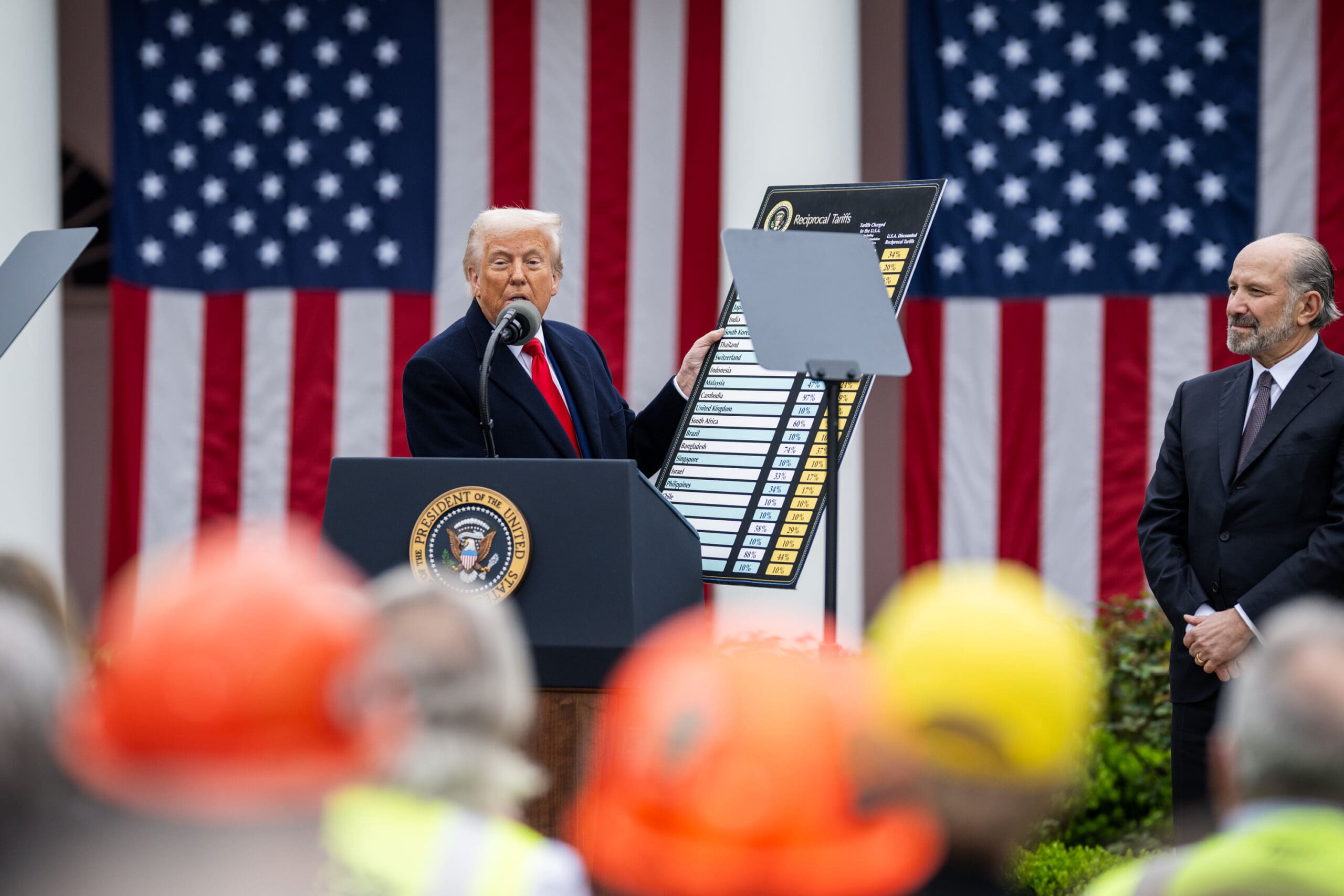
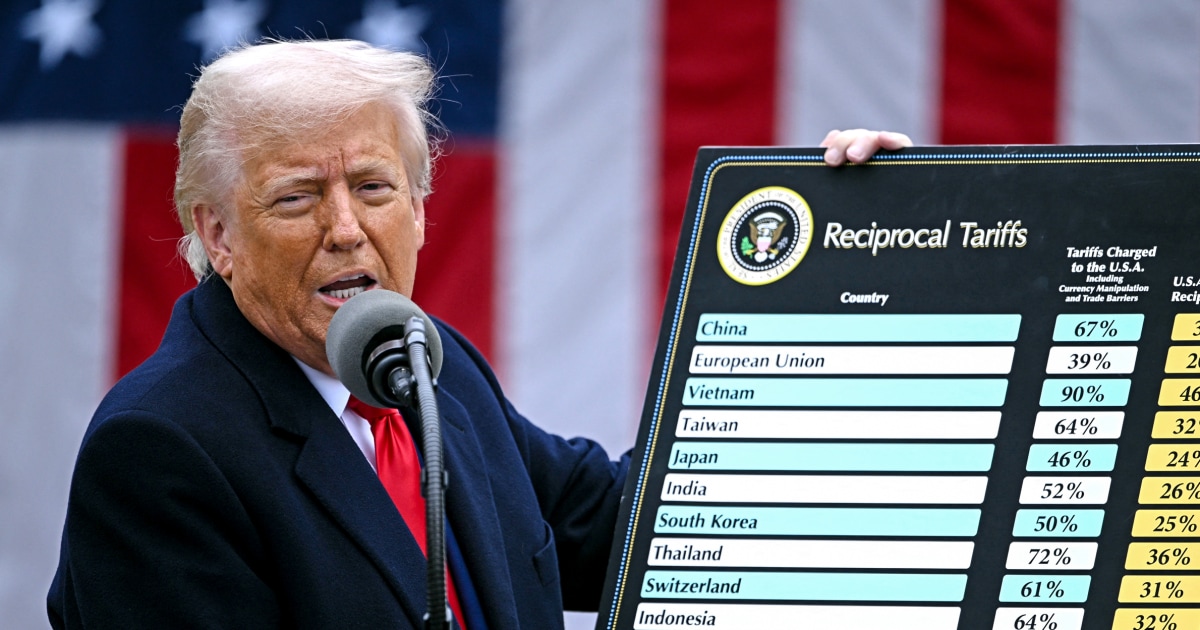
The episode represents the latest flare-up in a U.S.-China trade relationship subjected to extraordinary strain since Trump's return to office. The overall average effective U.S. tariff rate on Chinese goods had already reached 13.7 percent in February 2026 following a series of escalations, and Trump had earlier in the month threatened to raise that rate to 15 percent under Section 122 of the Trade Act of 1974. A jump to 50 percent would represent a shock of a categorically different order — the kind of tariff level that economists at the Peterson Institute for International Economics said would effectively sever normal commercial relations and cost the typical American household an additional $1,500 or more per year on consumer goods from electronics to clothing to household appliances.
Beijing has significant economic leverage in the current standoff. China is the world's largest oil importer and a crucial buyer of Iranian crude exports, which have continued flowing despite American sanctions through a network of intermediary buyers and state-owned refineries. A Chinese refusal to cooperate with the blockade — or a decision to actively help Iran circumvent it — would significantly complicate U.S. strategy. At the same time, Chinese officials are acutely aware that a direct confrontation with Washington over Iran could jeopardize hundreds of billions of dollars in annual bilateral trade and provoke the kind of economic decoupling that Beijing has worked carefully for years to avoid.
Senior congressional Republicans, including Senate Foreign Relations Committee Chair Jim Risch, urged the administration to follow through on the tariff threat if evidence of Chinese arms transfers was confirmed. "If China arms Iran, we must impose the steepest possible economic costs — there can be no ambiguity," Risch said in a statement. Democrats were more divided, with progressive members arguing that maximalist tariff threats risked a broader economic confrontation with Beijing that would damage American workers and consumers already strained by more than $4.50 per gallon gasoline prices. The situation remains fluid, with administration officials saying they are continuing to monitor the intelligence picture and have not yet made a final decision on tariff action.