Trump Threatens 'Staggering' 50% Tariffs on China If Beijing Is Caught Supplying Weapons to Iran
In a Fox News interview, Trump explicitly named China for the first time, warning Beijing would face crippling new tariffs if found to be delivering shoulder-fired anti-aircraft missiles to Tehran.
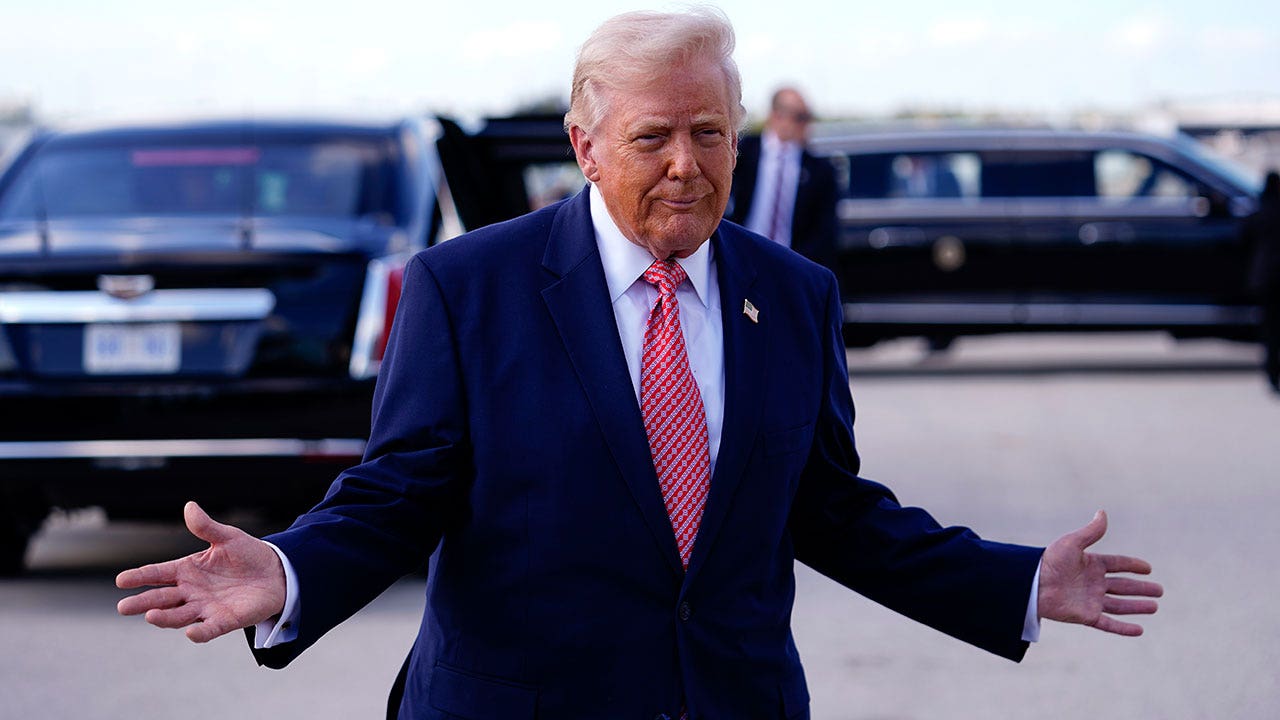
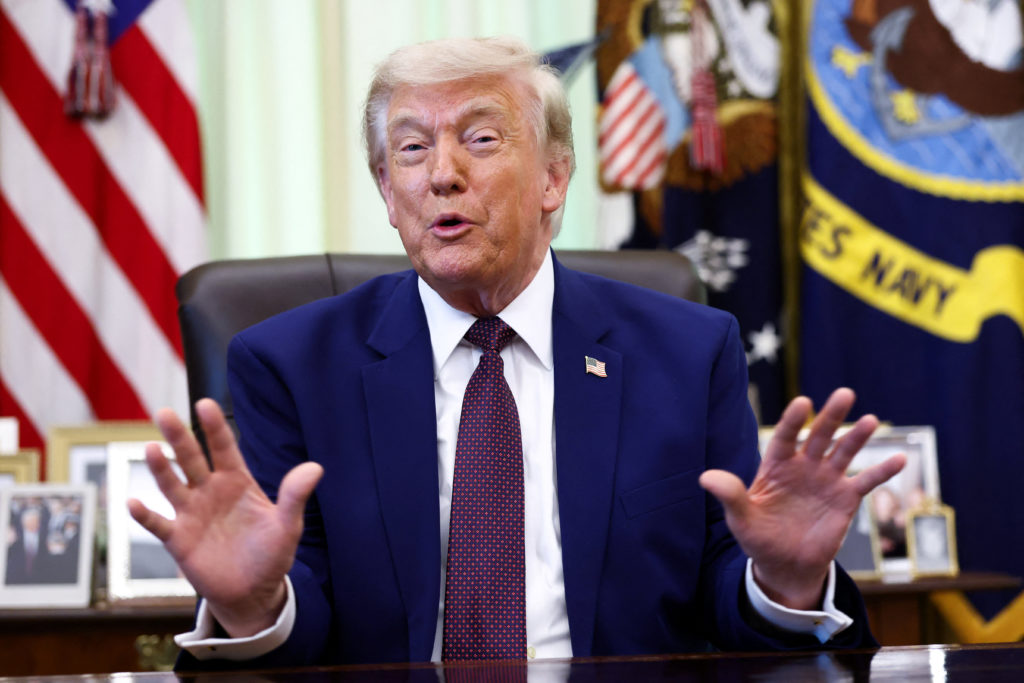
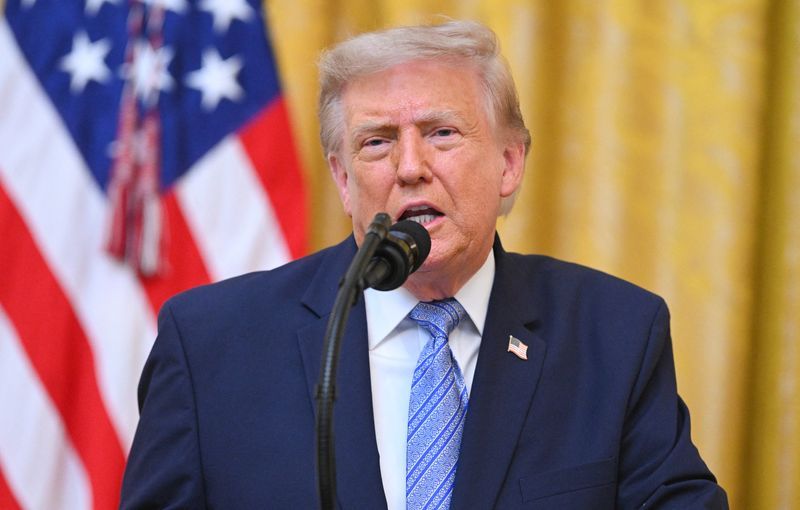
President Donald Trump explicitly threatened China with "staggering" 50% tariffs Sunday if Beijing is caught supplying weapons to Iran, escalating a geopolitical standoff that U.S. intelligence officials say is moving toward a critical decision point. The warning, issued during a live phone interview on Fox News' "Sunday Morning Futures," marked the first time Trump had directly named China as a potential tariff target in connection with the Iran war — a significant sharpening of rhetoric toward America's largest trading partner at an already volatile moment.
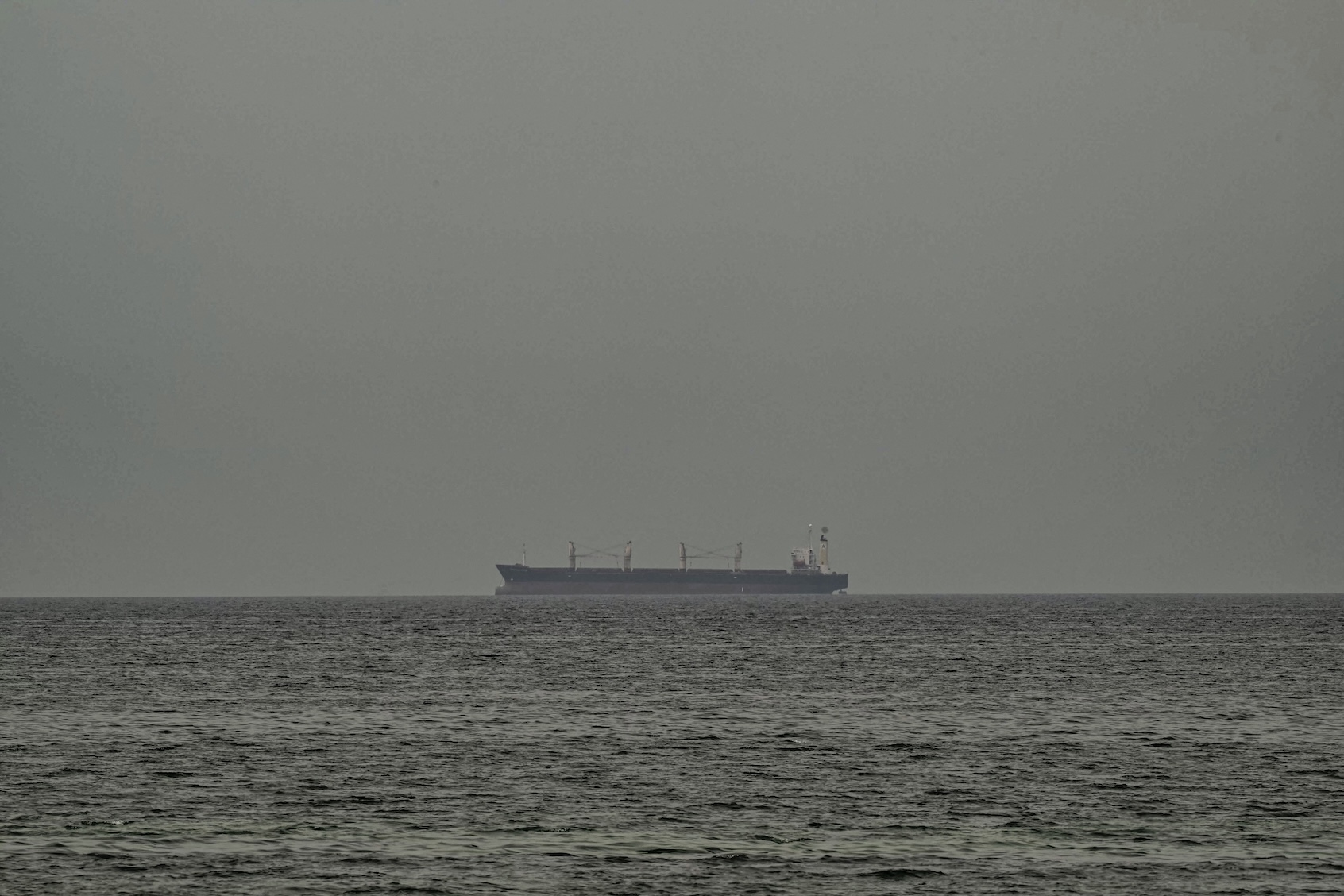
"If we catch them doing that, they get a 50% tariff, which is a staggering amount," Trump said, referring to reports that Beijing was preparing to deliver man-portable air defense systems (MANPADS) — shoulder-fired anti-aircraft missiles — to Iranian forces. The comments came just one day before U.S. forces formally implemented a naval blockade of Iranian ports and a partial closure of the Strait of Hormuz. Trump acknowledged the underlying intelligence reports but offered a characteristic hedge: the allegations "don't mean much to me, because they're still fake." He added, however, that "I doubt they would do that," before restating the punitive tariff warning for emphasis.
The intelligence assessment, first reported by CNN on April 11, indicated that U.S. spy agencies believed China was preparing to transfer the shoulder-fired anti-aircraft missiles to Iran within weeks. Such a delivery, if confirmed, would represent a significant escalation: MANPADS are specifically designed to target low-flying aircraft such as helicopters and ground-attack jets. Their proliferation to Iranian forces could directly threaten U.S. and allied air operations over the Persian Gulf, where the carrier group enforcing the Hormuz blockade operates. China's Foreign Ministry flatly denied the reports. Spokesperson Mao Ning said Beijing "has never provided weapons to any party to the conflict" and called for all sides to pursue a ceasefire through diplomacy.
China finds itself in an extraordinarily delicate position. It is Iran's largest oil buyer and has deep financial interests in maintaining stable relations with Tehran, but it also exports approximately $450 billion worth of goods to the United States annually. A 50% tariff would be economically devastating. Beijing is also preparing for a bilateral summit with Trump scheduled for May 14-15 in Beijing — a meeting both sides had framed as an opportunity to reset the broader trade relationship after months of friction. Trump's tariff threat injects dangerous new uncertainty into those preparations, raising the possibility that the summit could either defuse the confrontation or become a flashpoint.
Republican Representative Tim Burchett of Tennessee, a member of the House Foreign Affairs Committee, told Fox News he believed Trump would follow through on the threat if evidence of the weapons transfer materialized. "I suspect if they do, he's not going to be like Obama and draw a line in the sand that they continuously walk over. He will impose that, and it's going to hurt," Burchett said. With the naval blockade now in its second day, peace talks with Iran in a fragile state, and Chinese intelligence assessments suggesting Beijing is still weighing a decision on the arms transfer, the potential for further escalation between the United States and its most consequential economic rival represents one of the most dangerous and underappreciated wild cards in an already volatile international crisis.