Trump Struggles to Find International Partners for Iran Blockade as Allies Distance Themselves
Despite president's claims of multilateral support, no countries have agreed to join U.S. naval blockade of Strait of Hormuz following failed peace talks.

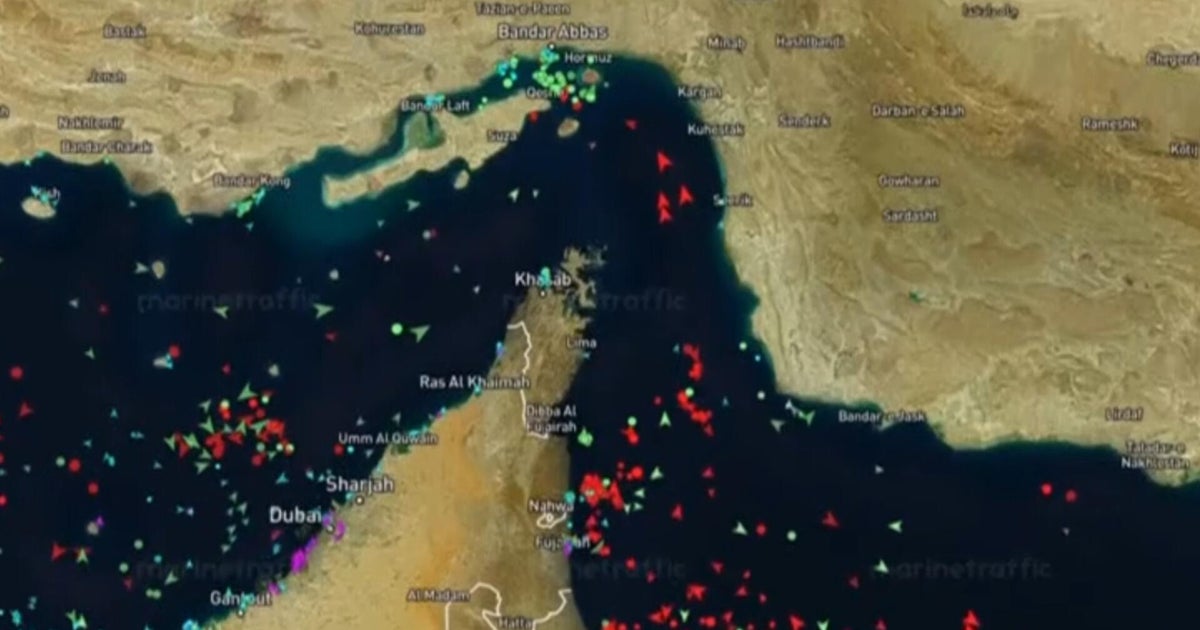
President Trump's announcement of a complete U.S. blockade of the Strait of Hormuz has failed to attract the international support he promised, with European allies publicly distancing themselves from the escalating military confrontation with Iran. Trump's assertion that other countries would help implement the blockade has proven unfounded, leaving the United States to pursue the aggressive economic warfare strategy alone. The lack of multilateral backing undermines the president's credibility and raises questions about America's ability to build coalitions for major military operations.
The blockade announcement represents Trump's latest effort to pressure Iran into negotiations after direct talks over the weekend yielded no agreement despite lasting 21 hours. The failed diplomatic discussions have pushed both sides toward increasingly confrontational measures, with Trump choosing to pursue economic strangulation through maritime interdiction. However, the president's inability to secure allied participation highlights the international community's reluctance to support what many view as potentially provocative military action that could escalate into broader regional conflict.
European leaders have expressed particular concern about the blockade's legality under international law and its potential to disrupt global energy markets further. Several NATO allies have privately indicated they view the unilateral blockade as potentially constituting an act of war, making their participation politically impossible without clear United Nations authorization. The European Union has called for renewed diplomatic efforts rather than military escalation, reflecting broader international skepticism about Trump's confrontational approach to the Iran crisis.
The isolation of American policy has strategic implications beyond the immediate Iran conflict, potentially weakening U.S. leadership in future international crises. Trump's failure to build a coalition for the blockade echoes past instances where unilateral American action has strained transatlantic relationships and undermined multilateral institutions. Foreign policy experts warn that the go-it-alone approach could encourage other nations to pursue independent policies that conflict with American interests.
The president's predicament illustrates the fundamental challenge facing his Iran strategy: achieving maximum pressure on Tehran while maintaining domestic and international support for increasingly aggressive measures. With oil prices surging past $100 per barrel and European allies refusing participation, Trump faces the prospect of implementing a costly and controversial blockade that could backfire politically. The test now becomes whether Iran or Trump has greater tolerance for the economic and political pain that the escalating confrontation will inevitably produce.


/thetatva/media/post_attachments/wp-content/uploads/2025/06/Untitled-design-2025-06-22T210634.931-502222.jpg)