Trump Signs 100% Tariff on Imported Brand-Name Drugs, Pressuring Pharma Giants to Cut Prices
The executive order, the most sweeping ever against foreign drug manufacturers, gives companies 120 days to either strike pricing deals with HHS or face the full tariff.

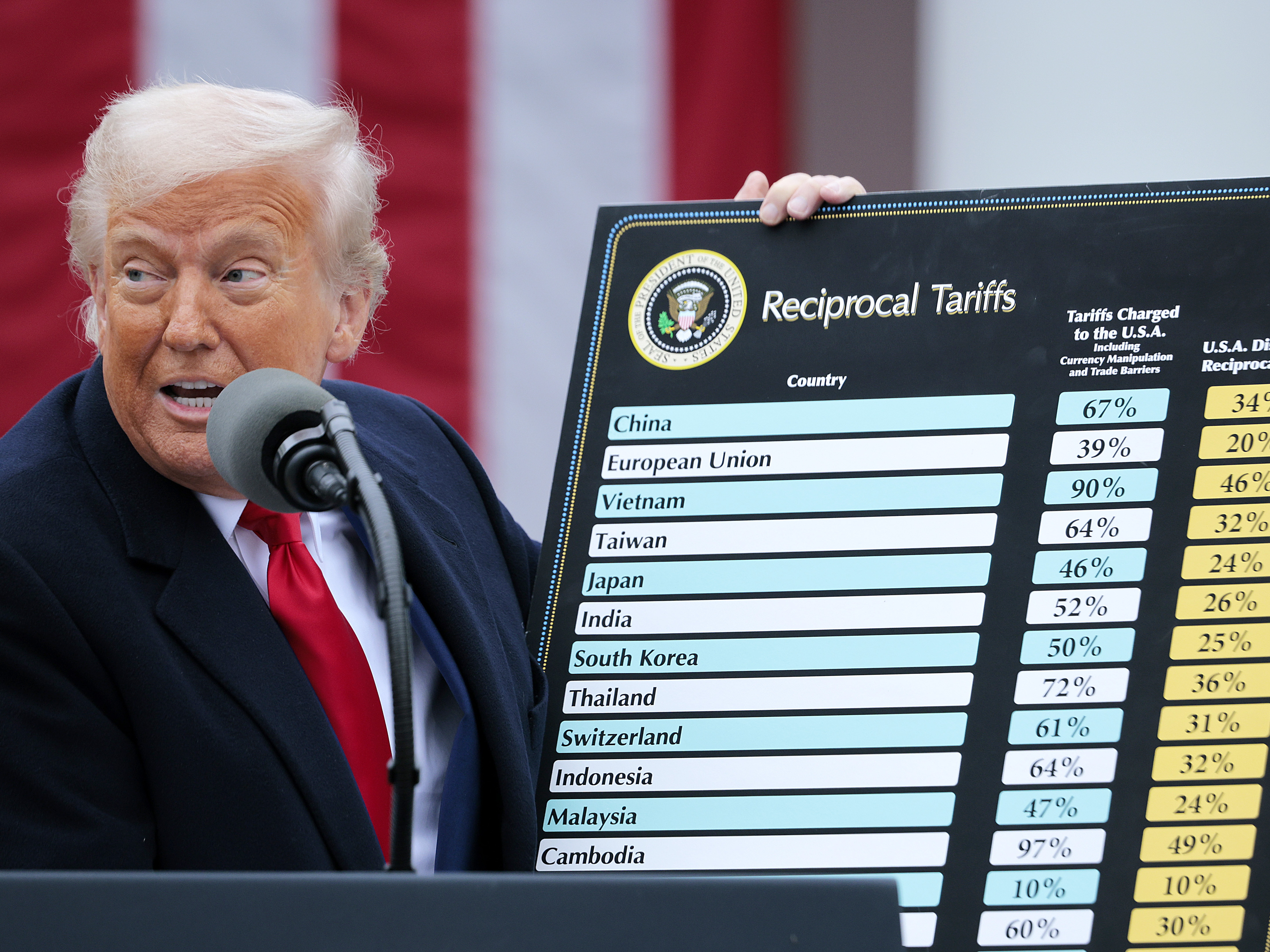
President Trump signed an executive order on April 2, 2026, imposing a 100 percent tariff on imported brand-name pharmaceuticals and their active ingredients — the most sweeping action ever taken against foreign drug manufacturers by the U.S. government. The order, enacted under Section 232 of the Trade Expansion Act on national security grounds, is projected to affect billions of dollars in annual pharmaceutical imports from Europe, Asia, and the Middle East, and it arrives as patients are already grappling with drug price inflation driven by the Iran war's supply-chain disruptions.
The tariff applies exclusively to patented branded drugs and their active pharmaceutical ingredients. Generic drugs and biosimilars are temporarily excluded, with reassessment scheduled for one year. But the exemptions — and the incentive pathways built into the order — are just as significant as the headline rate. Companies that sign 'most favored nation' pricing agreements with the Department of Health and Human Services and commit to building U.S. manufacturing facilities will face a 0 percent tariff. Firms that agree to invest in domestic production without striking pricing deals will face a reduced 20 percent tariff, escalating to 100 percent over four years if no pricing deal is concluded. Countries with existing U.S. trade agreements face differentiated rates: the EU, Japan, South Korea, and Switzerland at 15 percent; the United Kingdom at 10 percent.
The administration said 17 pricing deals have already been reached and 13 signed before the executive order's formal announcement, with Pfizer, Eli Lilly, and Bristol Myers Squibb among the companies in active negotiations. Trade Representative Jamieson Greer argued the policy ensures 'our trading partners pay their fair share for innovative pharmaceutical products so American patients don't have to bear the entire cost of global pharmaceutical R&D.' Trump framed the order in explicit terms: 'Other nations have been freeloading on American drug innovation for decades. That ends now.'
Large drugmakers have 120 days before the full 100 percent rate goes into effect; smaller companies, which rely more heavily on contract manufacturers, have 180 days. The administration is betting that the grace periods will spur a wave of domestic investment announcements before the tariffs kick in — repeating the pattern seen after Trump's steel and aluminum tariffs in his first term, when a number of plants announced new U.S. facilities to avoid the levies.
Industry reaction was sharply divided. PhRMA chief executive Stephen J. Ubl warned that tariffs 'on cutting-edge medicines will increase costs and could jeopardize billions in U.S. investments.' He noted that about two-thirds of drugs consumed in the United States are already manufactured domestically, complicating the argument that imports pose a national security risk. The ITIF think tank published a critique arguing the tariffs are 'wrong Rx for U.S. patients, manufacturing, and innovation,' predicting they would accelerate the departure of small biotech firms unable to absorb the compliance costs.
Consumer advocates and economists raised a more immediate concern: whether higher import costs will be passed along to patients. If companies do not qualify for exemptions, 'higher import expenses could be passed through the supply chain to insurers, hospitals and patients, affecting premiums and out-of-pocket spending,' the Advisory Board warned in an analysis published April 6. RBC analyst Randall Stanicky projected minimal immediate damage to large-cap pharmaceutical companies due to high profit margins and the grace period — but cautioned that smaller firms making treatments for rare diseases face a harder road, as they often lack the scale to build domestic facilities or secure pricing agreements quickly.
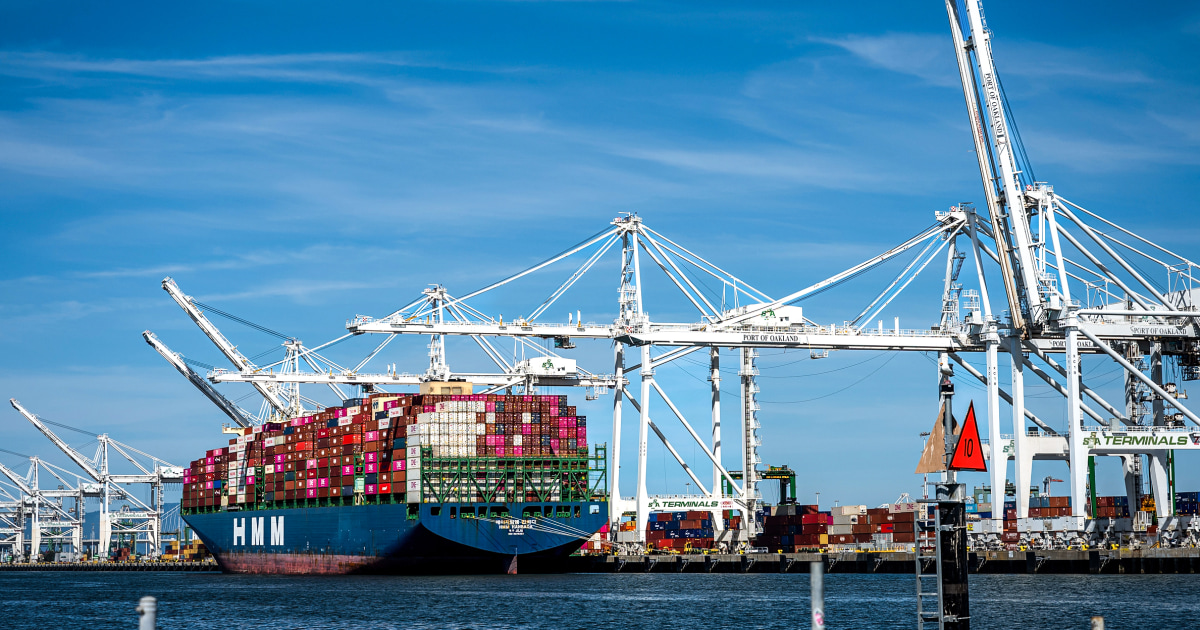
The policy arrives at a moment of particular fragility in the U.S. healthcare system. Drug supply chains were already strained by the Iran war's impact on global shipping and petrochemical supplies. Several active pharmaceutical ingredients sourced from Gulf refineries are now facing delays or premium pricing, compounding the challenge that the new tariffs create. Patients who rely on specialty biologics imported from Europe or Japan may face the sharpest near-term disruption if their manufacturers are among the minority unable or unwilling to strike deals with the administration.