Trump's Signature to Replace 165-Year Tradition on U.S. Dollar Bills Starting This June
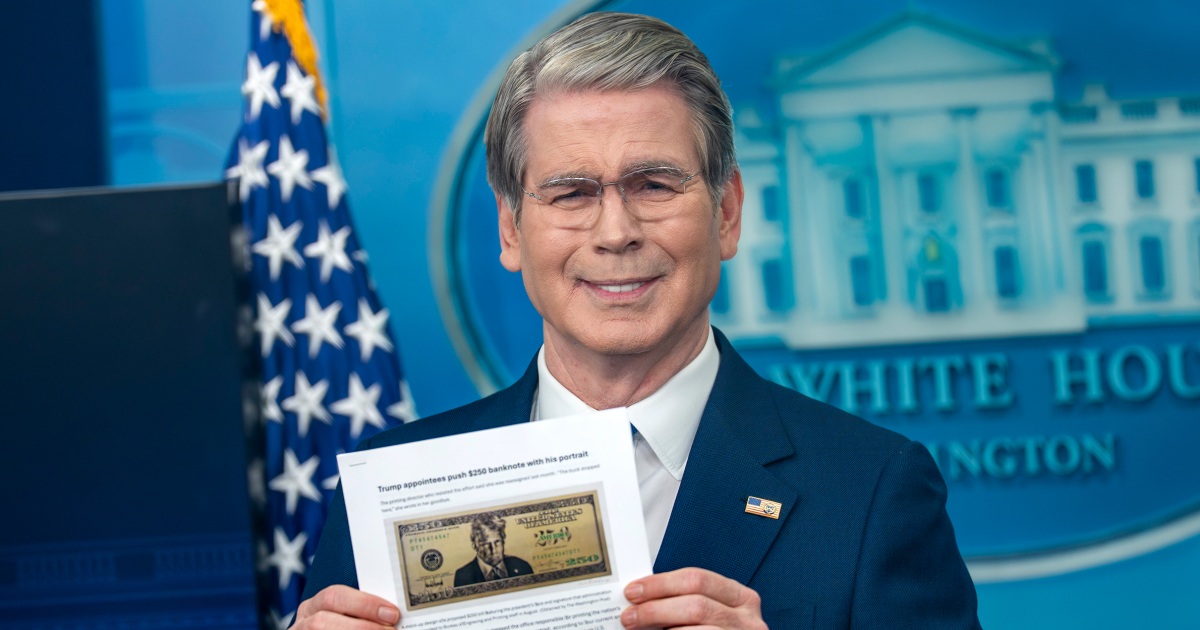
The Treasury Department announced Thursday that President Trump's name will appear on all new paper currency alongside Secretary Scott Bessent's, making him the first sitting president ever to sign American money.
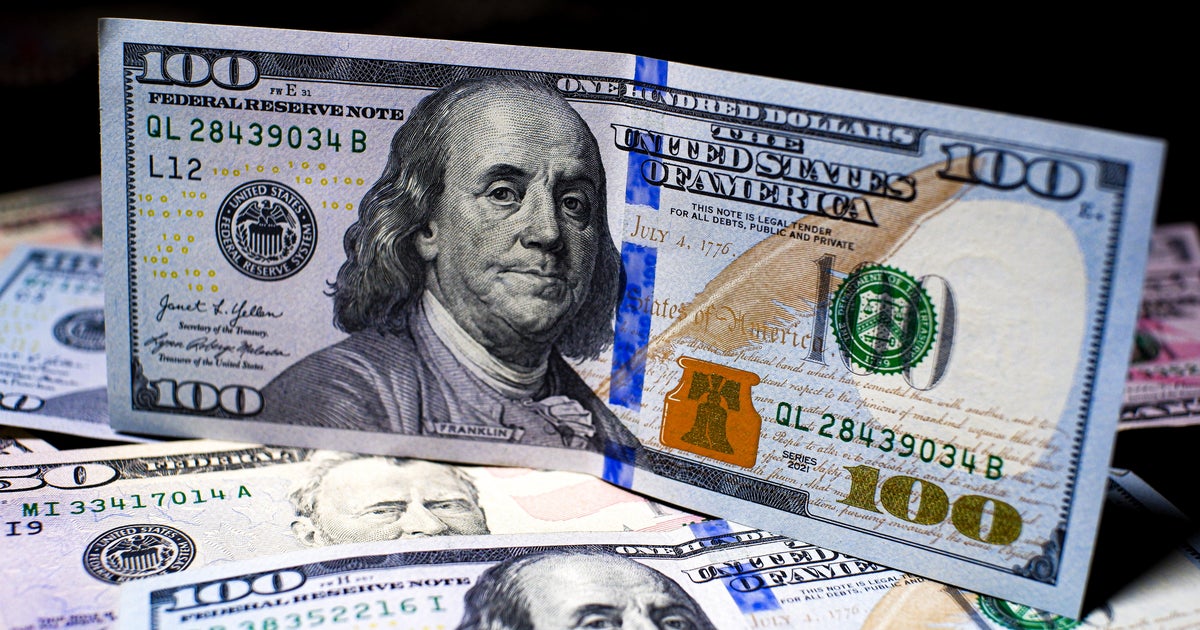
For the first time in 165 years of printed American currency, a sitting president's signature will appear on U.S. paper money. The Treasury Department announced Thursday that President Donald Trump's name would be added to all new U.S. dollar bills alongside that of Treasury Secretary Scott Bessent, replacing the signature of U.S. Treasurer Brandon Beach in a move Treasury officials framed as honoring the nation's 250th anniversary of independence. The first notes bearing the new signatures — $100 bills — are expected to roll off Bureau of Engraving and Printing presses in June 2026, with smaller denominations to follow in subsequent months.
Bessent called the decision a natural recognition of Trump's legacy. "There is no more powerful way to recognize the historic achievements of our great country and President Donald J. Trump than U.S. dollar bills bearing his name," he said in a statement. He added that the United States is "on a path toward unprecedented economic growth, lasting dollar dominance, and fiscal strength and stability." U.S. Treasurer Brandon Beach called the move "not only appropriate, but also well deserved," describing Trump as "the architect of America's Golden Age economic revival."
Since 1861, when the government first began printing paper currency, federal law and tradition have dictated that only the Treasury secretary and the U.S. treasurer place their names on bills. President Calvin Coolidge is the only other sitting U.S. leader to have had his image appear on official commemorative currency, but a separate federal statute bars any living person's image from appearing on circulating money. The Trump administration has argued that the restriction applies to photographic images but not signatures — a legal distinction the Treasury Department's general counsel has reportedly endorsed in a formal opinion that has not been publicly released.
Democratic lawmakers and watchdog groups immediately criticized the decision. "This is not a commemoration of America's 250th anniversary — it is the personalization of American currency for political branding," said Rep. Steny Hoyer of Maryland, the former House majority leader. Citizens for Responsibility and Ethics in Washington said the move is "another alarming step in the normalization of the Trump administration inserting the president's personal brand into the institutions of the federal government." Critics also noted that Trump's signature had previously appeared on COVID-19 stimulus checks sent to Americans in 2020, a decision that drew bipartisan objection at the time.
The currency change is the latest in a series of moves by Trump since beginning his second term to attach his name to federal institutions and programs. The Kennedy Center was renamed the Trump-Kennedy Center for the Performing Arts in January, the U.S. Institute of Peace building now bears his name on its facade, and a presidential commission recently approved a 24-karat gold commemorative coin featuring Trump's likeness to mark the Semiquincentennial. Treasury officials said the new bills will not require congressional authorization and can be implemented under the department's existing statutory authority over currency design. Bills currently in circulation bearing Biden-era signatures will continue to be accepted and will not be recalled.