Trump Pays French Energy Giant $1 Billion in Taxpayer Funds to Abandon U.S. Wind Farms
The deal with TotalEnergies cancels offshore wind projects capable of powering 1.3 million homes and directs the money into oil and gas production instead.

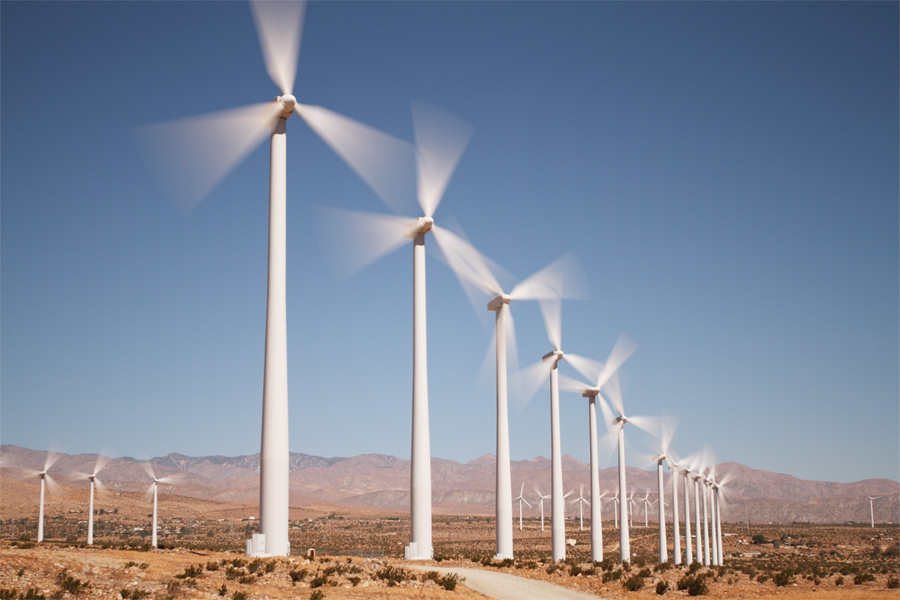
The Trump administration announced Monday that it would pay French energy company TotalEnergies approximately $1 billion in U.S. taxpayer funds to abandon two offshore wind development leases off the coasts of North Carolina and New York — effectively paying a foreign corporation not to build clean energy infrastructure while directing that money into oil and natural gas production instead. The deal, announced by the Department of the Interior, represents the most explicit and costly use yet of federal funds to dismantle the offshore wind industry that Biden-era policy had built.
The two projects being shelved are substantial. TotalEnergies purchased a lease for its Carolina Long Bay project in 2022 for roughly $133 million, with plans to generate more than 1 gigawatt of electricity — enough to power approximately 300,000 homes. The company's second lease, off New York and New Jersey, was acquired the same year for $795 million and was projected to generate 3 gigawatts capable of powering nearly one million homes. Together, the projects represented some of the largest clean energy commitments on the U.S. East Coast.
Under the terms of the deal, TotalEnergies will invest the approximately $1 billion — the combined value of its renounced leases — into oil, natural gas, and liquefied natural gas production in the United States. The Department of the Interior will then reimburse the company dollar-for-dollar, up to the total amount originally paid for the wind leases. Critics immediately seized on the structure of the deal. "This is a billion-dollar bribe to kill clean energy," said Kelly Mitchell of Oceana, a marine conservation group. "Taxpayers are footing the bill to destroy projects that would have cut electricity costs and created thousands of American jobs."
The administration defended the arrangement as consistent with Trump's "energy dominance" agenda, which prioritizes fossil fuel production and has moved aggressively since January 2025 to reverse Biden-era offshore wind permits. Energy Secretary Doug Burgum called the deal "a win for American energy security," arguing that LNG exports enabled by TotalEnergies' redirected investment would strengthen U.S. leverage in European markets strained by the ongoing Iran conflict. TotalEnergies CEO Patrick Pouyanné said the company was "pivoting to high-return opportunities in our U.S. upstream portfolio" and had concluded that the regulatory environment made the wind projects "commercially unviable."
The transaction drew bipartisan concern in some quarters. Republican Sen. Lisa Murkowski of Alaska, who has been a supporter of offshore wind in her own state, called the payout "a troubling precedent" and questioned whether the administration had sought competitive offers from U.S. companies. Several Democratic senators announced they would seek a Government Accountability Office review of the deal's legality, arguing that the dollar-for-dollar reimbursement structure may circumvent congressional appropriations authority. Environmental analysts noted that the combined 4-gigawatt capacity of the canceled projects would have represented roughly 3 percent of New York and New England's total electricity generating capacity — a meaningful share in a region that has struggled with grid reliability during peak demand periods.