One Year of Trump Tariffs: $1,500 More Per Household, 89,000 Factory Jobs Gone
A year after "Liberation Day," the largest US tariff regime since 1993 has raised costs for ordinary Americans, shed factory employment, and failed to shrink the trade deficit — with more increases looming.

One year after President Donald Trump declared "Liberation Day" and unleashed the largest wave of tariffs in modern American history, the economic reckoning has arrived — and it is hitting American families, workers, and businesses far harder than administration officials projected.
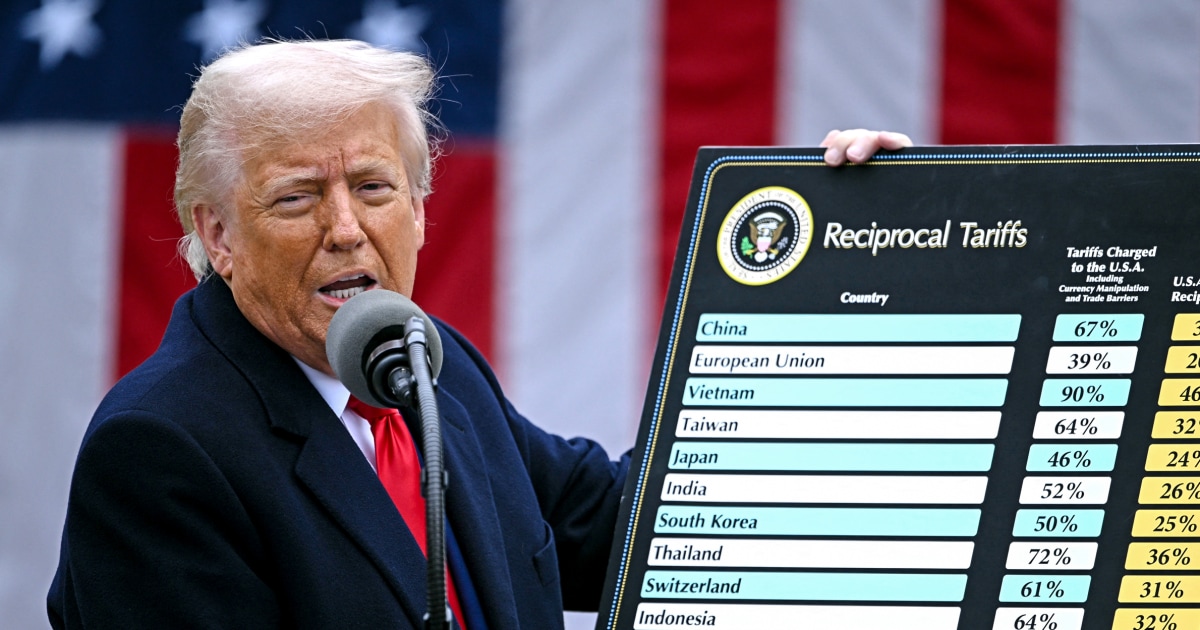
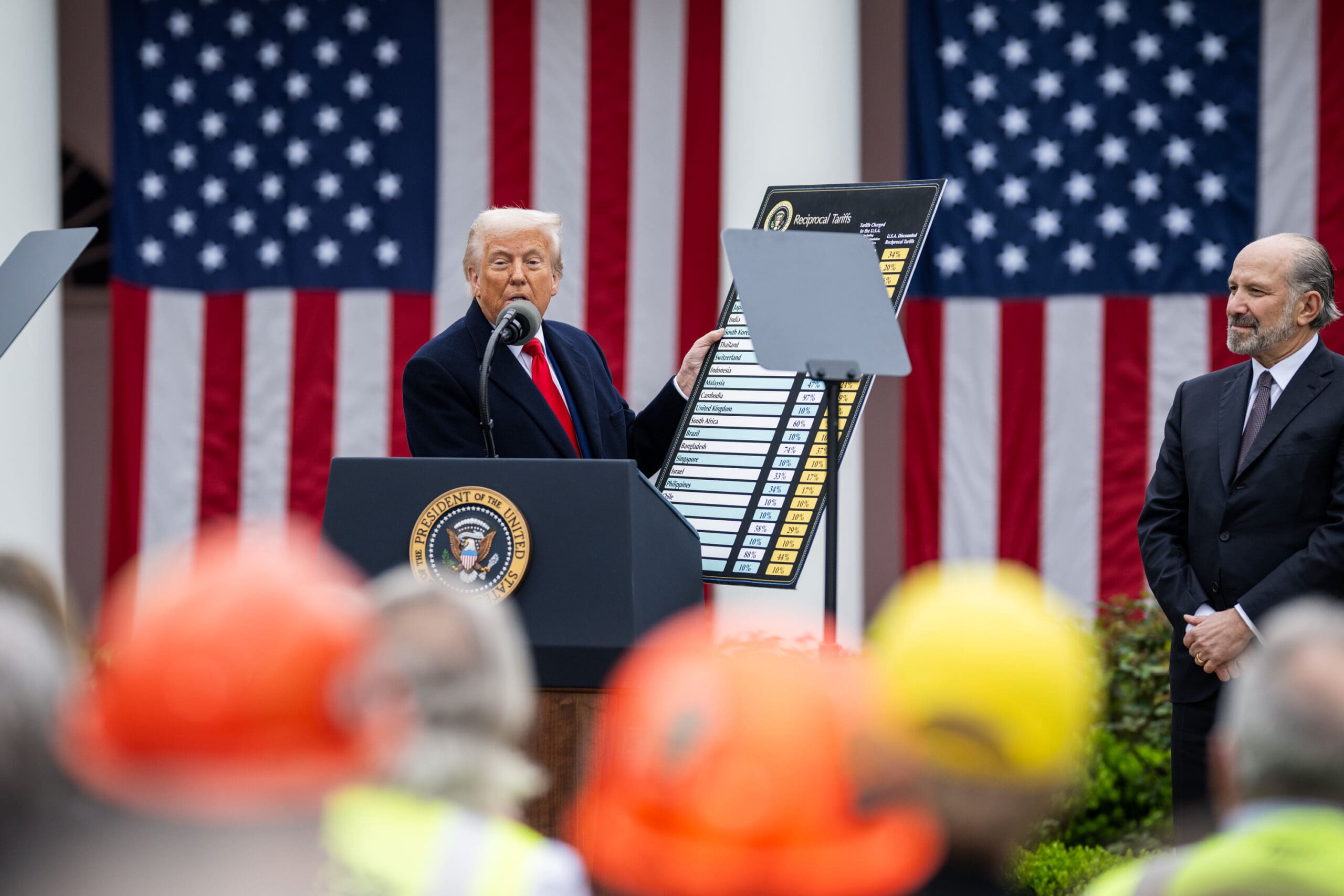
April 2, 2025 will be remembered as the day Trump imposed double-digit tariffs on imports from nearly every nation on Earth, calling it the dawn of a new economic era. Twelve months later, the verdict from economists, factory floors, and kitchen tables across America is far more complicated. The average American household is paying an estimated $1,500 more per year in higher prices, a burden economists at the Yale Budget Lab describe as the effective equivalent of a targeted tax on middle-class consumers.
Manufacturing, long cited as the primary beneficiary of the tariff strategy, has shed jobs rather than gained them. The United States had 89,000 fewer factory workers in February 2026 than it did when Liberation Day was declared. Federal Reserve Chair Jerome Powell acknowledged the damage in his most recent Congressional testimony, saying that "elevated readings largely reflect inflation in the goods sector, which has been boosted by the effects of tariffs." Annual inflation stood at 2.4 percent in February 2026 — well above the Fed's two percent target.
The Trump administration has enacted more than 50 different trade policy changes since April 2025, making the trade landscape nearly unnavigable for importers. Yale's Budget Lab launched a daily tariff tracker just to keep pace. More than 25,000 companies — including retail giants Costco and logistics firms like FedEx — have formally requested refunds, with the administration building a cumbersome system to process claims on more than $160 billion in potentially illegal tariff costs collected under the International Emergency Economic Powers Act.
The original intent of the tariffs — to slash the US trade deficit and force manufacturing back to American shores — has so far fallen short. Americans imported slightly more goods in 2025 than in 2024, suggesting that the pain of higher prices was borne by consumers rather than redirected to domestic production. "The tariffs are functioning as a tax on American importers, not a penalty on foreign exporters," said one trade economist who advised multiple administrations. "The burden falls on whoever buys the goods — and that's the American consumer."
For American farmers, the damage has been particularly acute. Retaliatory tariffs from China, the European Union, and Canada hammered exports of soybeans, corn, pork, and dairy products. The National Taxpayers Union documented how tariffs "handcuffed" farmers and manufacturers, reducing overseas market access while simultaneously raising the cost of imported inputs like steel, aluminum, and electronic components.
Trump announced in February 2026 his intention to raise the base tariff rate from 10 to 15 percent — a move that has not yet been implemented. With US-Iran war tensions rattling global supply chains, oil prices elevated, and the Federal Reserve reluctant to cut interest rates into a tariff-driven inflation environment, analysts say the second year of the tariff era may be even more turbulent than the first.