Trump Says He's 'Winding Down' the Iran War — Then the Pentagon Deploys 2,500 More Marines
President Trump posted on Truth Social Friday that the U.S. is 'getting very close to meeting our objectives' and mulling a wind-down, even as the Defense Department confirmed deployment of two Marine Expeditionary Units and oil prices remained above $110 per barrel.

President Trump declared Friday that the United States is "getting very close to meeting our objectives" in its war against Iran and said he was considering "winding down" military operations — even as the Pentagon confirmed that 2,500 additional Marines were being deployed to the Persian Gulf and U.S. and Israeli aircraft carried out new strikes across Iran through the weekend.
The contradiction between Trump's public messaging and his administration's military actions produced a wave of confusion among allies and adversaries alike, with foreign policy analysts and senior military officials struggling to reconcile the president's statements with the operational tempo on the ground. Trump posted his "winding down" remark on Truth Social on Friday morning before the defense department separately briefed reporters that the additional Marines would bring total American forces in the region to more than 50,000 personnel.
"We are getting very close to meeting our objectives as we consider winding down our great Military efforts in the Middle East with respect to the Terrorist Regime of Iran," Trump wrote. He did not define what those objectives were, nor did he specify a timeline.
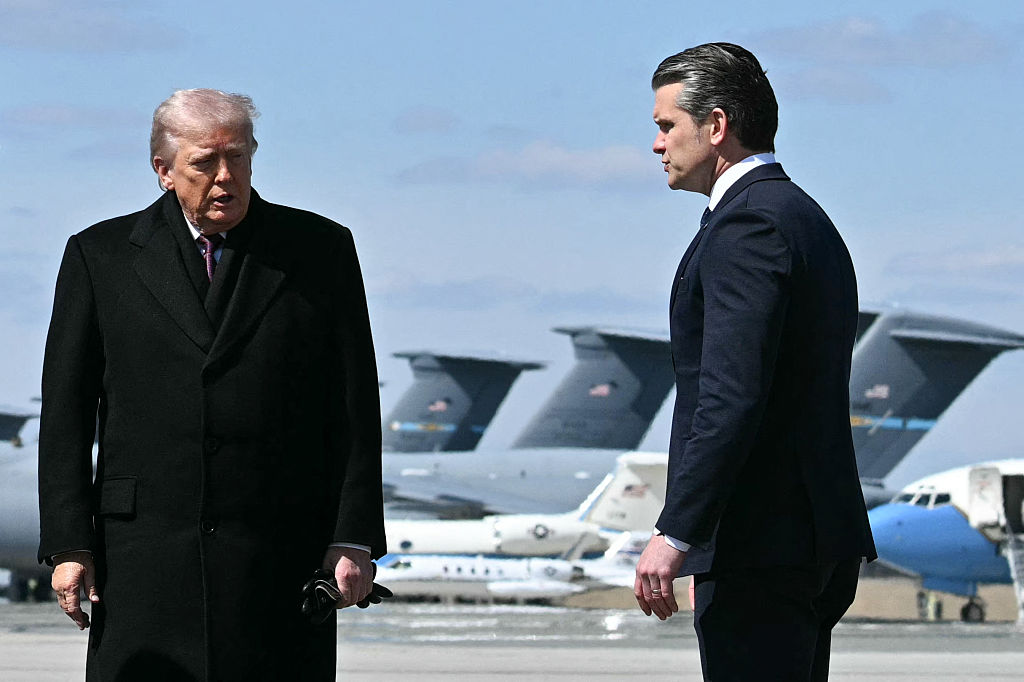
When White House reporters pressed press secretary Karoline Leavitt to explain the apparent contradiction between the wind-down rhetoric and the Marine deployment, she said both things could be true simultaneously. "We are approaching a conclusion while ensuring we have the resources to achieve that conclusion," she said. Trump, asked about the troop deployment at a brief appearance on the South Lawn Saturday afternoon, said he was "not aware" Marines were being sent and then reversed course moments later, saying it was "totally under control."
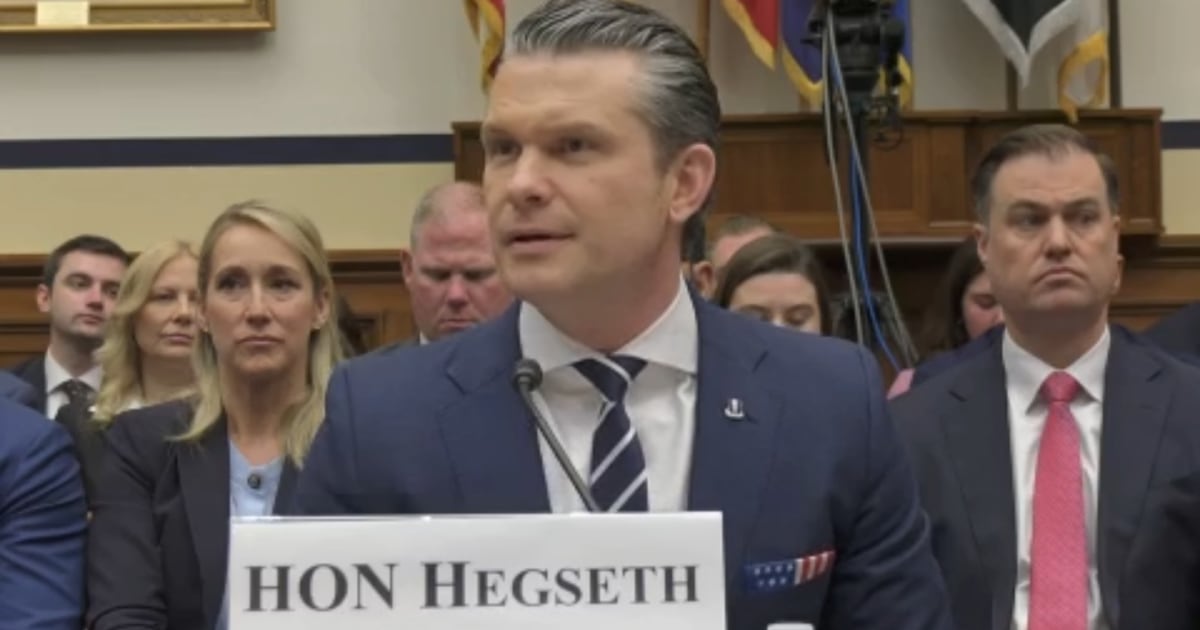
The mixed signals appeared to reflect genuine internal tension within the Trump national security team. According to two people familiar with discussions within the National Security Council, Defense Secretary Pete Hegseth and National Security Adviser Mike Waltz have been arguing for continued military pressure, while Treasury Secretary Scott Bessent and senior economic advisers have been pushing for a diplomatic off-ramp, citing the catastrophic impact of surging oil prices on Republican electoral prospects ahead of the November midterms.
The Iranian government greeted Trump's wind-down statement with unconcealed contempt. A senior Iranian official told CNN that Tehran did not believe the claim was genuine and that it was more likely a "domestic political performance" aimed at Republican voters than a sincere signal of strategic intent. Iran's newly elevated supreme leader, Ayatollah Mojtaba Khamenei, vowed in a Friday sermon broadcast on Iranian state television that Iran would never negotiate under military duress.
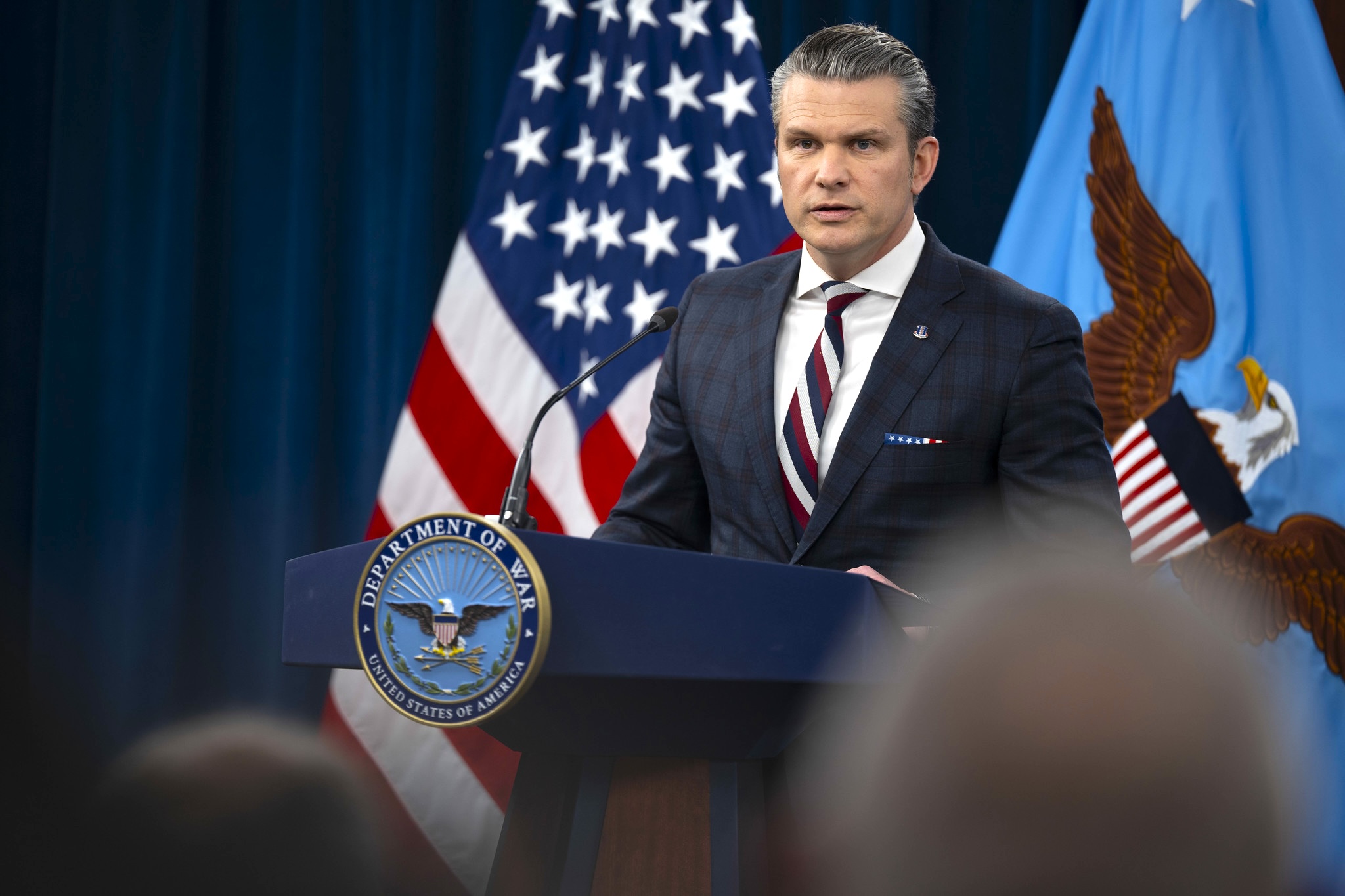
Pentagon spokesman Brigadier General Patrick Ryder confirmed at a Saturday briefing that two Marine Expeditionary Units were en route to the region and would be in position within 72 hours. When asked whether the deployment contradicted the president's comments about winding down, Ryder said the military "follows its orders" and described the deployment as a precautionary measure to ensure American forces could "respond to any contingency."
On the ground in Iran, the military situation remained far from resolved. U.S. and Israeli aircraft struck more than 200 additional targets across Iran on Saturday, including command-and-control nodes in Isfahan and fuel depots near the Iraqi border. The Pentagon said Iranian missile and drone attacks had fallen roughly 90 percent from their peak in the first week of the conflict, but significant Iranian missile and drone capability remains intact.
Economically, the stakes of the war are mounting by the day. Oil prices closed above $110 per barrel for the fourth consecutive session on Friday. The Strait of Hormuz, through which roughly one-fifth of the world's oil supply normally passes, remained effectively closed to commercial traffic. The International Monetary Fund revised its 2026 global growth forecast downward by 1.2 percentage points in an emergency statement on Friday, citing the "unprecedented and still-unresolved" disruption to global energy markets.
Former NATO Secretary General Anders Fogh Rasmussen said in an interview with Reuters that the United States' mixed messaging on Iran was "deeply destabilizing" and threatened to undermine the coherence of the Western alliance's position. "When the commander-in-chief says one thing and the military does another, adversaries fill in the blanks," he said.