Trump Becomes First Sitting President to Have His Signature Printed on US Currency
The historic break from 250 years of American tradition comes as the administration implements a series of measures designed to place the president's personal mark on federal institutions.

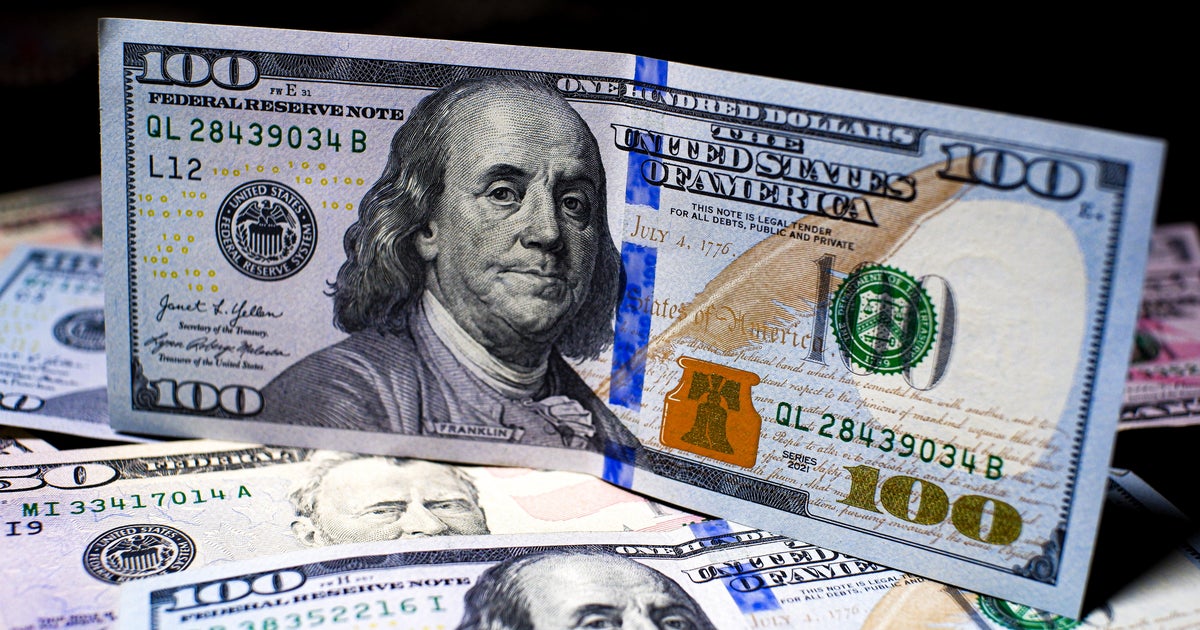
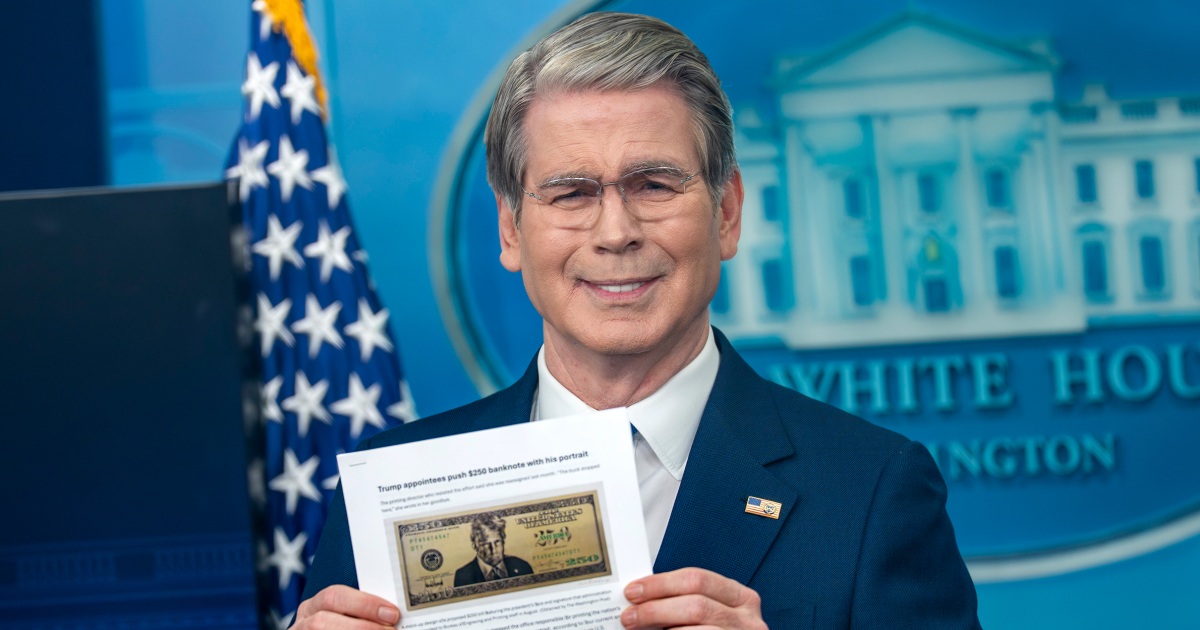
President Trump is set to become the first sitting American president in history to have his personal signature printed on newly issued United States currency, according to announcements this week from the Treasury Department. The change, which will appear on banknotes rolling off the Bureau of Engraving and Printing's presses in the coming months, represents one of the most visible symbols of a broader effort by the Trump administration to put the president's personal mark on the institutions and symbols of the federal government.
Under the traditional design of American paper currency, the signatures that appear on banknotes belong to the Secretary of the Treasury and the Treasurer of the United States — two appointed positions whose holders have changed with administrations without carrying any particular political symbolism. No sitting president has ever had their signature appear on US currency, a tradition rooted in norms that date to the earliest days of the republic. The decision to break from that tradition has drawn criticism from government ethics experts and historians, who argue it blurs the line between the executive office and the constitutional mechanisms of a democratic state.
The currency change was announced amid a series of other administrative actions that have placed Trump's name or likeness on federal materials and installations. The administration has also issued executive orders requiring certain federal buildings to be renamed, directed federal agencies to use specific imagery in official communications, and signed orders requiring that any government documents referencing DEI programs be revised or eliminated. Critics have grouped these actions together as part of a pattern of personalizing federal institutions in ways unprecedented in American history.
Supporers of the signature change argue it is largely cosmetic and within the president's authority to direct how federal documents and currency are designed. Treasury officials noted that the Secretary of the Treasury has broad discretion over the design of banknotes and that the change does not alter any legal status of the currency or its acceptance in commerce. They pointed out that other countries, including monarchies, regularly feature the signatures or images of heads of state on currency without controversy.
The move comes as Trump has also signed an executive order directing all federal contractors to eliminate diversity, equity, and inclusion practices, and as the Department of Justice has seen more than 200 employees depart who had previously been involved in investigating the president. The concentration of presidential symbolism in federal institutions has become a rallying cry for the "No Kings" protest movement planning nationwide demonstrations for Saturday. Historians who study American democratic norms note that the currency signature is the kind of change that is easy to implement and potentially difficult to reverse, as future administrations would face political questions about whether to remove a sitting president's signature from legal tender.