Trump Says His Own Supreme Court Picks 'Sicken Me' After $165 Billion Tariff Refund Ruling
At an NRCC dinner, the president attacked Justices Barrett and Gorsuch for joining the 6-3 majority that struck down his IEEPA tariffs and forced repayment to importers.

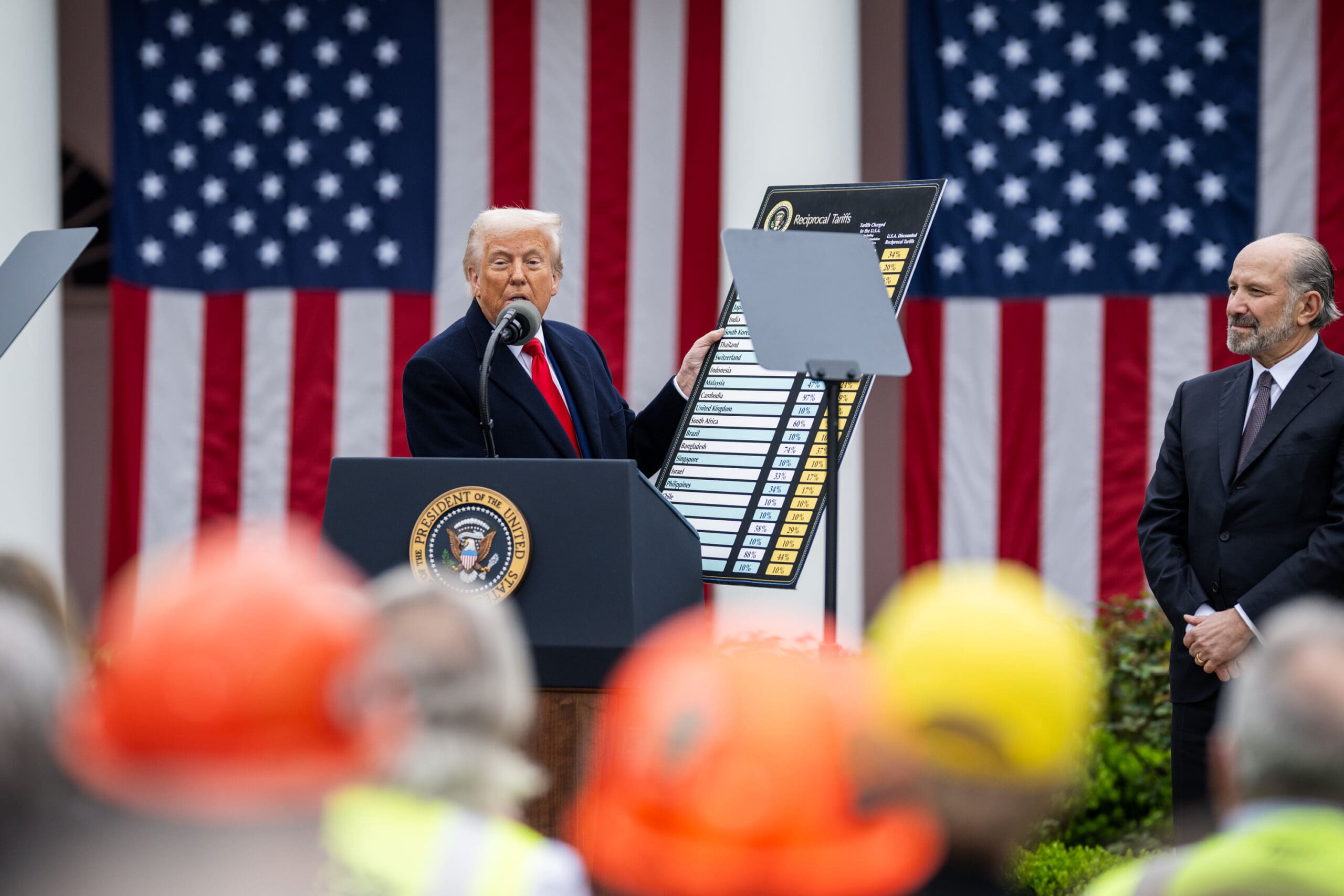
President Donald Trump publicly attacked two of his own Supreme Court appointees Thursday night, saying Justices Amy Coney Barrett and Neil Gorsuch "sicken me" for voting against his tariff regime in a landmark February ruling that is forcing the federal government to refund up to $165 billion in duties collected from American importers. Trump made the remarks at a National Republican Congressional Committee dinner in Washington, D.C., identifying the justices without naming them directly by listing the coalition that formed the 6-3 majority.
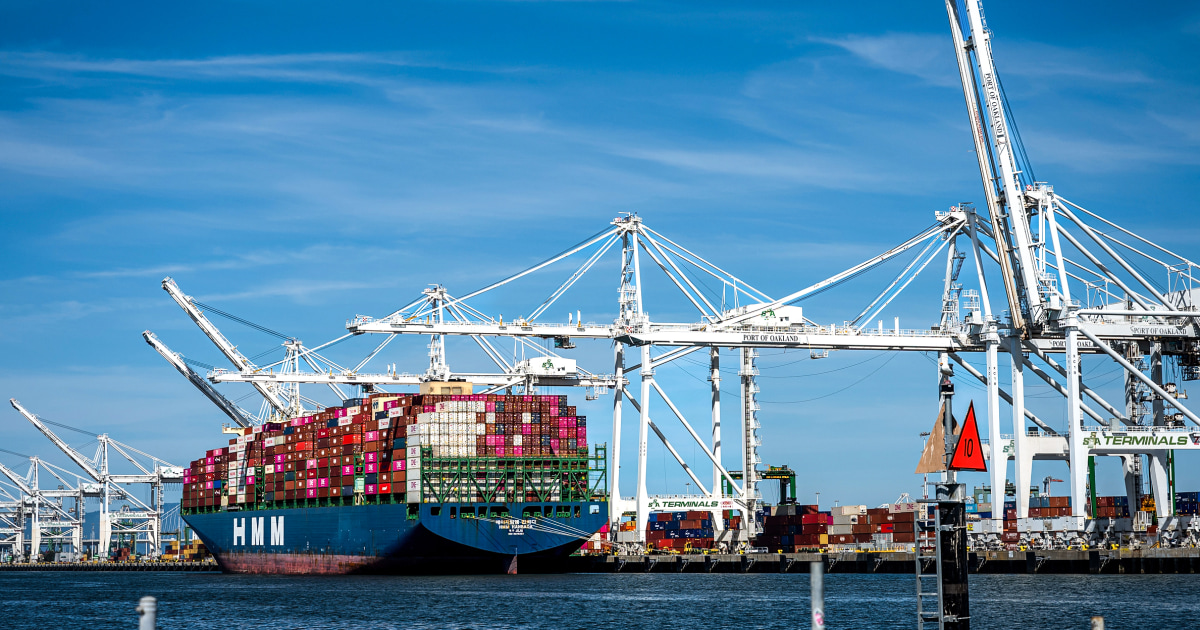
"The Supreme Court, that's right, of the United States, cost our country — all they needed was a sentence — our country hundreds of billions of dollars, and they couldn't care less," Trump told the audience of Republican members of Congress. "And they sicken me because they're bad for our country." The outburst drew a mix of gasps and applause from the gathered Republican lawmakers, many of whom remain supportive of judicial independence but are increasingly reluctant to contradict the president publicly on any front. Trump's particular grievance was the Court's decision not to exempt tariffs already collected from the refund requirement — a windfall for importers that the White House never anticipated when it constructed its tariff architecture.
The ruling — Learning Resources, Inc. v. Trump, decided February 20, 2026 — struck down Trump's most sweeping tariff package, which the administration had imposed using the International Emergency Economic Powers Act, a 1977 national security law never previously used to justify tariffs on such a broad and universal scale. Chief Justice John Roberts wrote the 6-3 majority opinion, joined by Justices Sotomayor, Kagan, Jackson, Gorsuch, and Barrett. Roberts invoked the "major questions" doctrine — the principle that Congress must clearly and explicitly authorize executive actions of vast economic significance — finding that two words in IEEPA, "regulate" and "importation," separated by 16 other words in the statute's text, did not constitute such unambiguous authorization. "All they needed was one little sentence," Trump said at the dinner. "They couldn't give us that."
Justices Clarence Thomas, Samuel Alito, and Brett Kavanaugh dissented, arguing that IEEPA's text granted the president broad emergency authority to restrict international commerce including through tariffs. Legal experts noted that Kavanaugh — Trump's second appointee to the Court — sided with the dissenters, making it all the more pointed that Trump chose to single out Barrett and Gorsuch, whom Trump appointed third and first, respectively. Constitutional scholars called Trump's public denunciation of sitting justices he personally named to the bench extraordinary but not entirely unprecedented for this administration, which has previously attacked federal district and appeals court judges in heated terms over rulings on immigration and executive power.
Following the ruling, the Trump administration pivoted to using Section 122 of the Trade Act of 1974, which allows a temporary 10 percent global tariff lasting up to 150 days without Congressional approval, and also opened trade investigations against nearly 80 countries and economies under Section 301 of the same law. Legal experts say these alternative tariff authorities are far more limited in scope — the 150-day cap on Section 122 tariffs, for example, requires Congressional reauthorization — and carry their own legal vulnerabilities to challenge. The administration has separately engaged in accelerated bilateral trade negotiations with several major trading partners, hoping to reach deals that would allow tariffs to be reimposed under conventional legal frameworks before the temporary measures expire.