Trump Proposes $1.5 Trillion Defense Budget — Largest Since WWII — as Hegseth Fires Army Chief of Staff
The White House sent Congress a record-shattering $1.5 trillion fiscal year 2027 defense request including $17.5 billion for the Golden Dome missile shield, while Defense Secretary Pete Hegseth ousted the Army's top general for lacking the right vision.
WASHINGTON — The Trump administration delivered a one-two punch to the U.S. military establishment this week, proposing the largest American defense budget since World War II while simultaneously firing the Army's top general for failing to align with the president's vision — a combination that allies and critics alike described as a sweeping and politically aggressive reimagining of American military power.
The White House sent Congress a $1.5 trillion fiscal year 2027 defense request on Thursday — comprising $1.15 trillion in base spending plus an additional $350 billion through the budget reconciliation process. The base request alone would mark the first time U.S. defense spending has exceeded $1 trillion in a single year, representing a 28 percent increase over the previous fiscal year. Including reconciliation funds, the total rise reaches approximately 44 percent over current spending levels, according to analysts at the Center for Strategic and Budgetary Assessments.
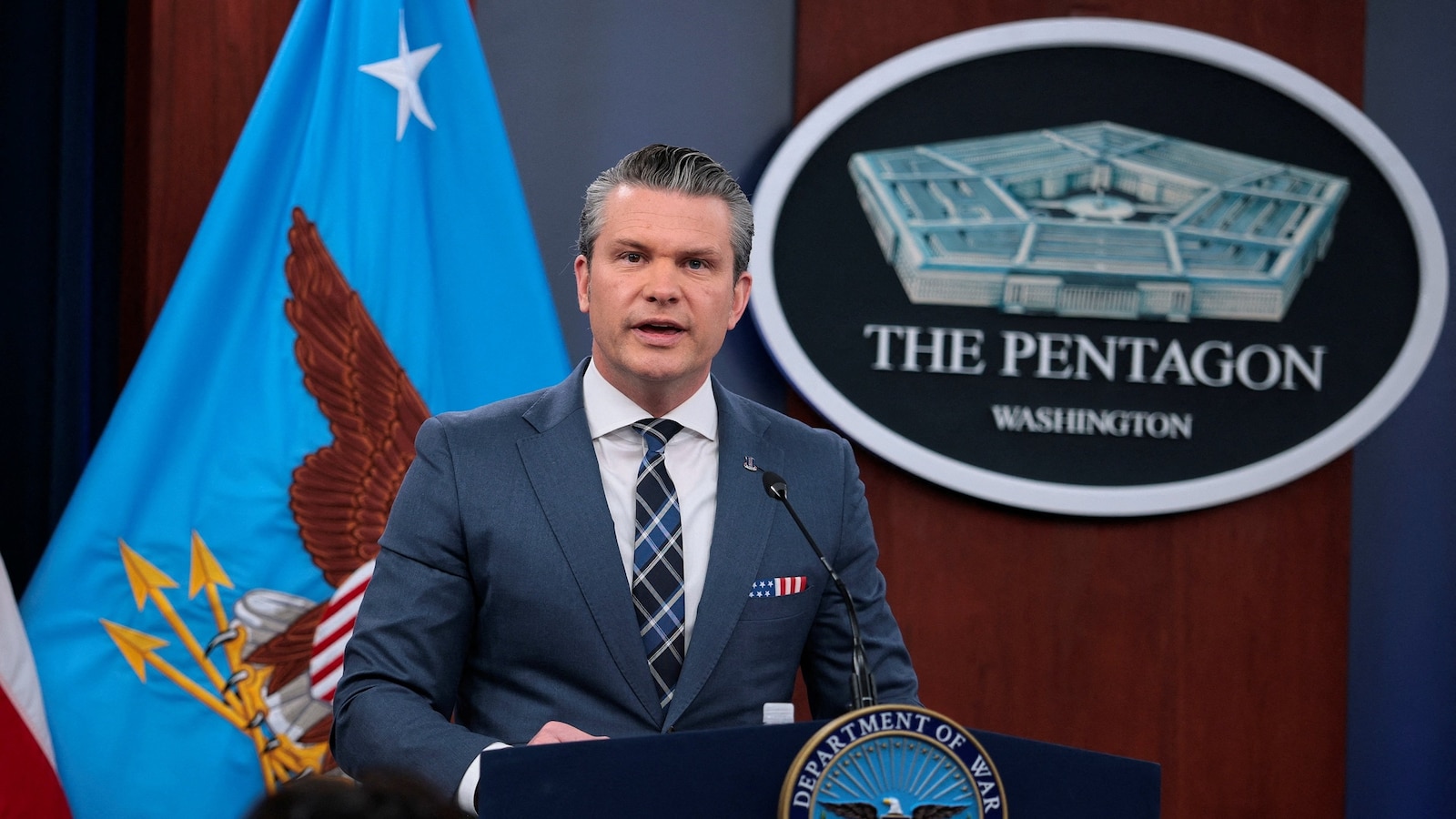
Defense Secretary Pete Hegseth, in a press conference at the Pentagon, called the proposal 'a message to the world' about American military strength. The budget includes $17.5 billion — the vast majority of it through reconciliation — for the Golden Dome missile defense system, President Trump's signature defense initiative, which aims to create a layered national missile shield protecting the continental United States from ballistic and hypersonic threats. The Navy would receive $65.8 billion for shipbuilding, enough to commission 34 new vessels, while the Air Force would receive funding for 85 additional F-35 Joint Strike Fighters.
The massive defense increase comes paired with offsetting cuts elsewhere in the federal budget. Non-defense discretionary spending would fall by approximately 10 percent — about $73 billion — with reductions targeting housing assistance, environmental protection programs, and scientific research grants. Congressional Democrats immediately assailed the proposal. Senate Minority Leader Hakeem Jeffries called it 'a budget that sends the defense industry to the moon and sends working families to the poor house.' Republicans on the Senate Armed Services Committee welcomed the proposal but signaled likely battles over specific line items.
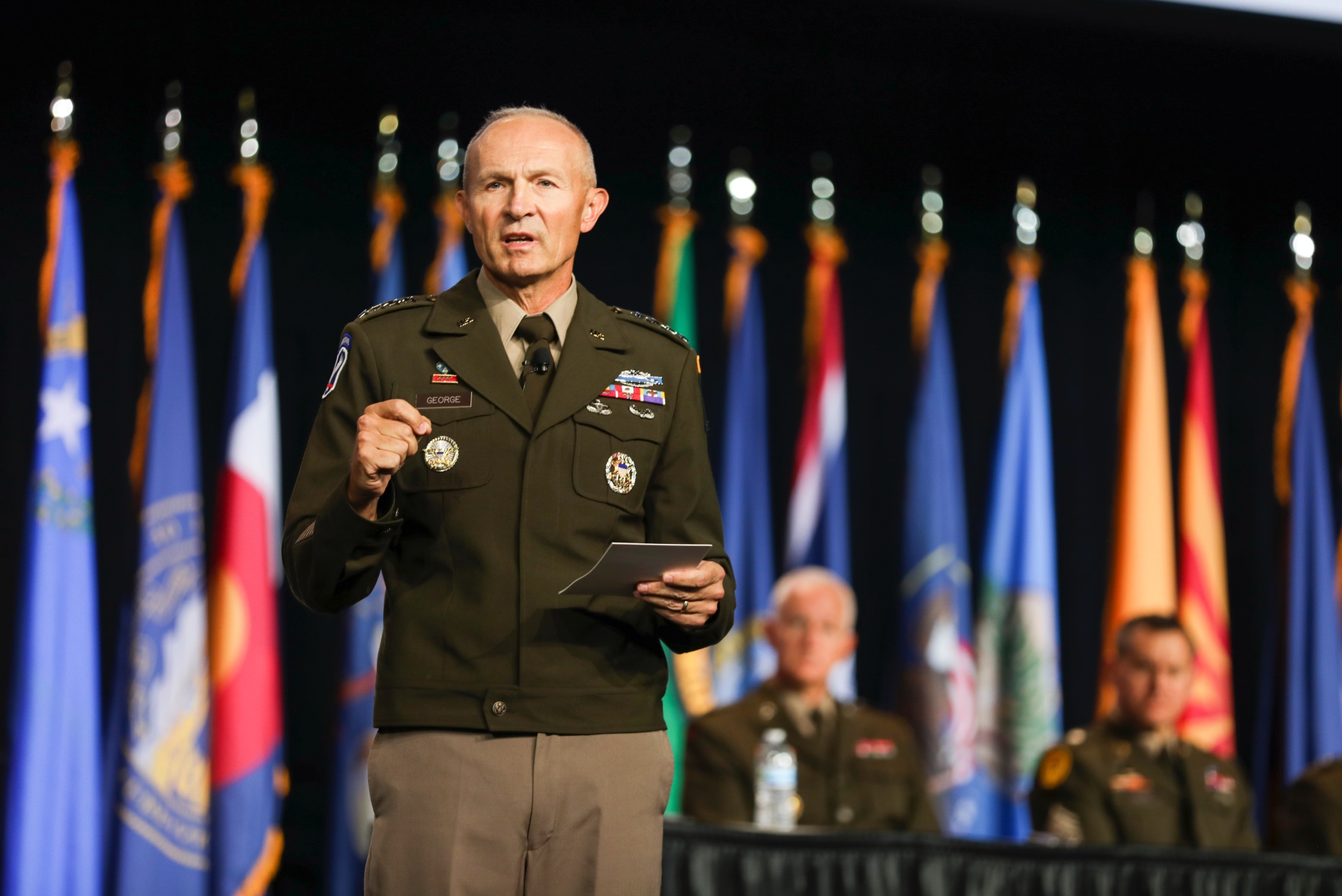
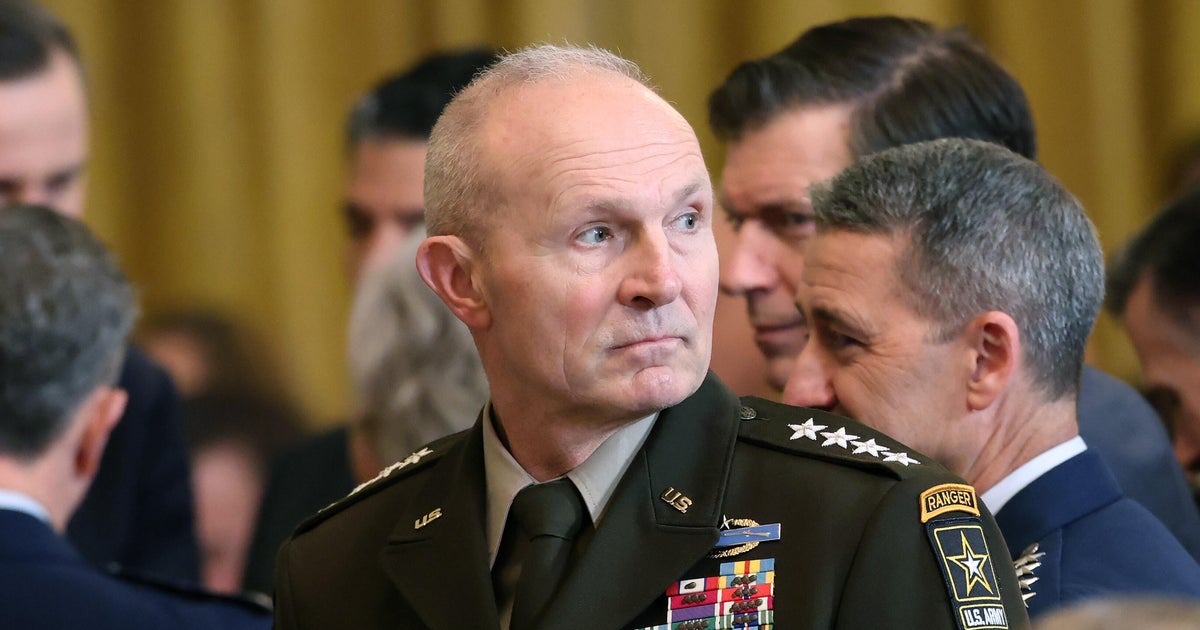
But the budget rollout was overshadowed — particularly among the military community — by the simultaneous announcement that Hegseth had asked General Randy George, the 41st Chief of Staff of the United States Army, to retire 'effective immediately.' Pentagon spokesperson Sean Parnell confirmed the departure, telling reporters that Hegseth wanted 'someone who will implement President Trump and Secretary Hegseth's vision for the Army.' General Christopher LaNeve, previously Hegseth's personal military aide and most recently the Army's vice chief of staff, was named acting Army chief.
George, a West Point graduate who served in Desert Shield, Desert Storm, Operation Iraqi Freedom, and Operation Enduring Freedom, was regarded within the Army as a pragmatic and operationally experienced commander focused on readiness for large-scale conventional warfare — precisely the kind of conflict the United States has been conducting against Iran since February. His removal was the third forced departure of a senior flag officer under Hegseth, following the earlier dismissals of General David Hodne and Major General William Green Jr.
Retired senior military officers, speaking to news organizations on the condition of anonymity, expressed alarm about the timing. Several questioned whether removing experienced generals during an active conflict with Iran sent 'exactly the wrong signal at exactly the wrong moment,' as one former four-star described it to CBS News. Congressional Republicans, asked whether the firings represented an inappropriate politicization of military leadership, generally declined to respond on the record.
Fortune magazine described the defense budget proposal as 'the largest budget hike since World War II.' The comparison underscored a defining tension of the second Trump term: an administration willing to spend lavishly on military power while dramatically contracting nearly every other function of the federal government, and simultaneously reshaping the military's leadership in its own ideological image.