Treasury Department Takes Over $1.7 Trillion in Federal Student Loans as Education Department Is Gutted
An interagency agreement announced Thursday transfers roughly $180 billion in defaulted loans as the first phase of a full handoff, the 10th deal moving Education Department functions to other agencies.
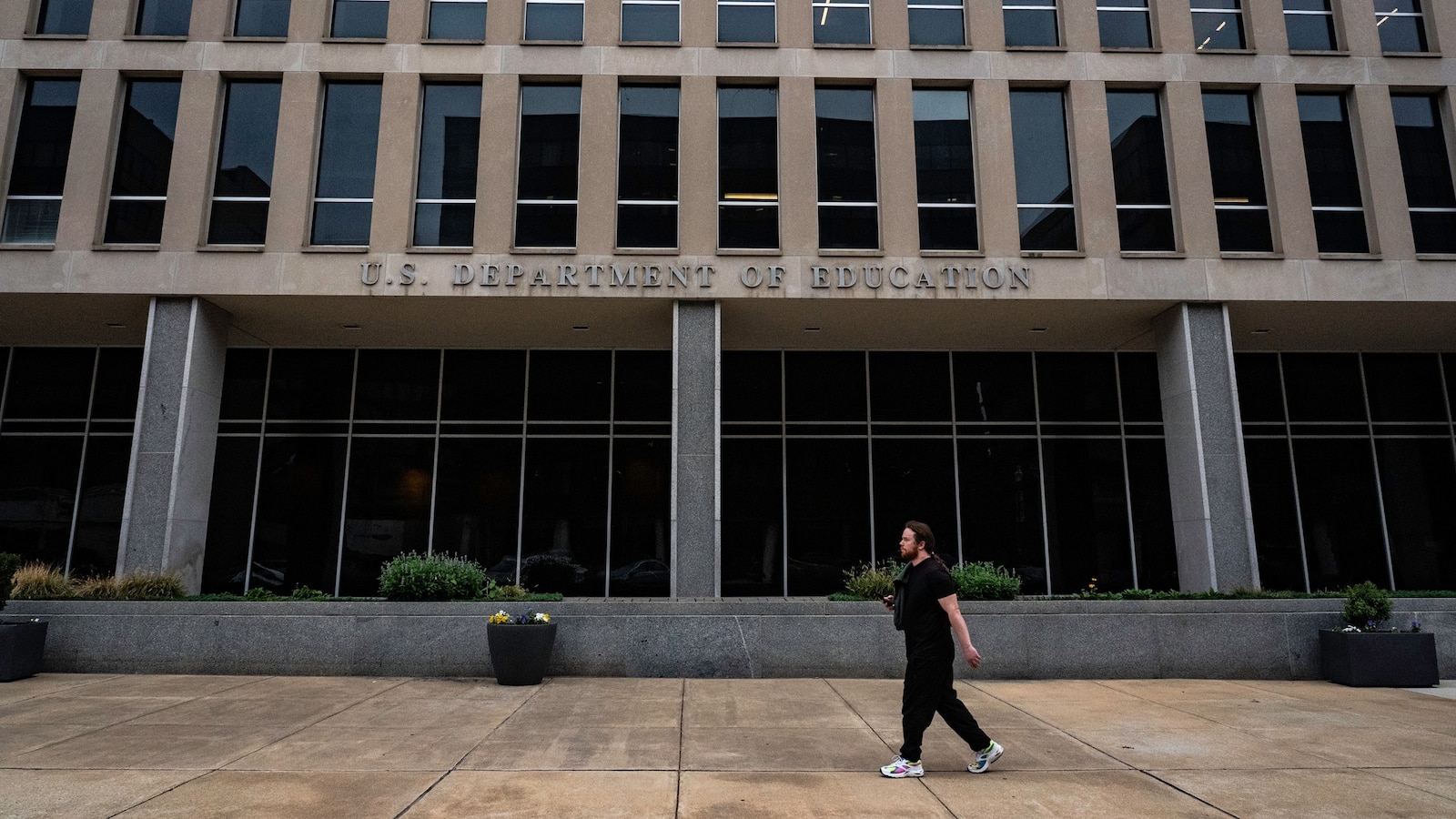
The Trump administration has begun transferring the federal government's $1.7 trillion student loan portfolio from the Department of Education to the Treasury Department, the latest and most consequential step in its effort to effectively hollow out the Education Department — even without the congressional authorization required to formally abolish it.
Under an interagency agreement announced Thursday, Treasury will initially take over management of roughly $180 billion in defaulted student loans — about 11 percent of the total federal student aid portfolio — belonging to approximately 10 million borrowers who are months behind on their payments. A second phase of the agreement envisions Treasury eventually assuming operational responsibility for all federal student loans "to the extent practicable," according to the text of the deal, though no timeline was provided for that broader handoff.
Education Secretary Linda McMahon framed the transfer as a long-overdue correction to decades of bureaucratic failure. "The Department of Education has failed to effectively manage these critical programs," McMahon said in a statement. "By leveraging Treasury's world-renowned expertise in finance and economic policy, we are confident that American students, borrowers, and taxpayers will finally have functioning programs after decades of mismanagement." The agreement is the 10th interagency deal the administration has reached since last fall to redistribute core Education Department functions across other federal agencies — a systematic strategy for achieving de facto dissolution of the department without legislation.
Democrats and education advocates pushed back immediately. Representative Bobby Scott of Virginia, the top Democrat on the House Education and the Workforce Committee, called the move "the last thing student borrowers need" at a time of rising living costs. Roxanne Garza, executive director of EdTrust, an education equity organization, warned that the transfer "just adds another level of chaos and confusion" for borrowers already struggling to navigate persistent disruptions to student loan servicing. Former Education Department employees told congressional Democrats at a hearing last month that dispersing the department's programs has led to higher costs and systemic dysfunction — outcomes that directly contradict the administration's stated rationale of improving efficiency.
The administration has been constitutionally blocked from formally shuttering the department, which would require an act of Congress. But it has pursued an aggressive workaround strategy, negotiating interagency agreements that cover civil rights enforcement, career and technical education, special education, and now student loan servicing — progressively stripping the department of its core responsibilities. The Department of Education was established in 1979 under President Jimmy Carter, and Republican politicians have sought to eliminate it ever since, arguing that education is primarily a state and local responsibility. Trump made abolishing the department a 2024 campaign pledge.
The transfer carries real practical stakes for borrowers. Defaulted borrowers are typically subject to wage garnishment, seizure of tax refunds, and damaged credit ratings. Treasury, as the federal government's primary debt collection and financial enforcement arm, has significantly more aggressive tools and institutional experience in pursuing debt collection than the Education Department did. Critics argue that moving defaulted loans to Treasury is less about efficiency and more about intensifying pressure on the millions of Americans who fell behind during the disruptions of the pandemic and its aftermath. Department officials said they would work to ensure continuity of service but declined to provide specifics about how the transition would affect existing repayment plans or forgiveness programs.
Originally reported by ABC News.