Supreme Court Strikes Down Broadest Trump Tariffs One Year After Liberation Day
A 5-4 ruling found the administration exceeded its emergency economic powers, but the baseline 10% universal tariff survives and inflation from trade barriers remains embedded in consumer prices.
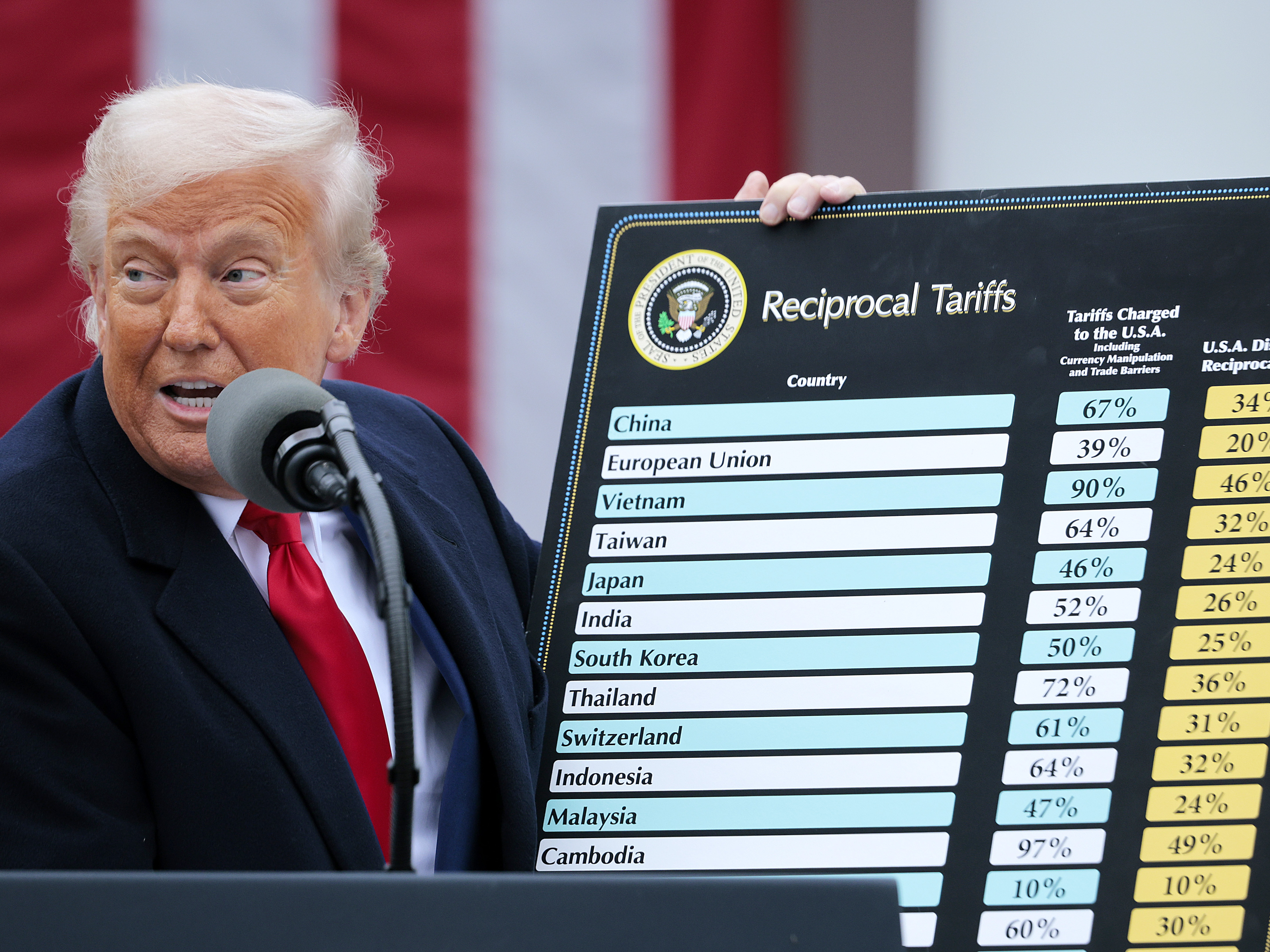
One year after President Trump declared April 2, 2025 'Liberation Day' and imposed sweeping import tariffs on nearly every country in the world, the economic experiment has produced a far more complicated legacy than the White House promised — and the Supreme Court has now invalidated some of the most expansive levies, ruling that certain tariff authorities exceeded the statutory limits Congress granted the executive branch.
The tariffs changed more than 50 times between Liberation Day and April 2026, as the administration responded to legal challenges, bilateral negotiations, and market volatility with constant revisions. That churn — exemptions granted and then revoked, country-specific rates adjusted without notice, and carve-outs for politically sensitive industries — created an environment of extreme business uncertainty. Manufacturing investment, which the tariffs were designed to stimulate, grew more slowly in 2025 than in either of the two preceding years, according to Federal Reserve economic data.
The inflationary impact materialized, though at a more modest scale than critics initially projected. February 2026 core PCE inflation came in at 2.4 percent, a modest uptick from the 2.3 percent rate in April 2025 when the tariffs first took effect. Federal Reserve economists calculated that tariffs added 0.8 percentage points to the PCE price index through February 2026, with core goods prices rising 3.1 percent over the same period. Those figures were already elevated when energy prices began surging in March 2026 due to the US-Iran war and the near-closure of the Strait of Hormuz — raising fears among forecasters that the combination of tariff-driven goods inflation and energy price shocks could push the overall rate meaningfully higher.
The Supreme Court's ruling, handed down in a 5-4 decision in late March, struck down the broadest of the Liberation Day tariffs on the grounds that the administration had invoked emergency economic powers in a manner that exceeded congressional intent. The decision did not touch the baseline 10 percent universal tariff or tariffs imposed under existing trade statutes, leaving in place a significant portion of the trade barrier architecture Trump constructed. The White House immediately pledged to refile tariffs through alternative legal authorities, and trade lawyers expect years of additional litigation.
For American consumers, the one-year balance sheet is mixed. Prices on imported goods — from electronics to clothing to household appliances — are meaningfully higher than they were before Liberation Day, but the manufacturing renaissance that tariff proponents promised has been modest and geographically uneven. Several new factory announcements materialized in key political states, but actual production hires remain far below projections. Economists broadly agree that the final verdict on the tariff experiment will not be clear for several more years, and will depend heavily on how the current Iran war affects global supply chains and energy costs.