Supreme Court Reviews FCC's Enforcement Power in Landmark Communications Case
AT&T and Verizon challenge multimillion-dollar penalties, claiming agency violated their right to jury trial in consumer data protection case.
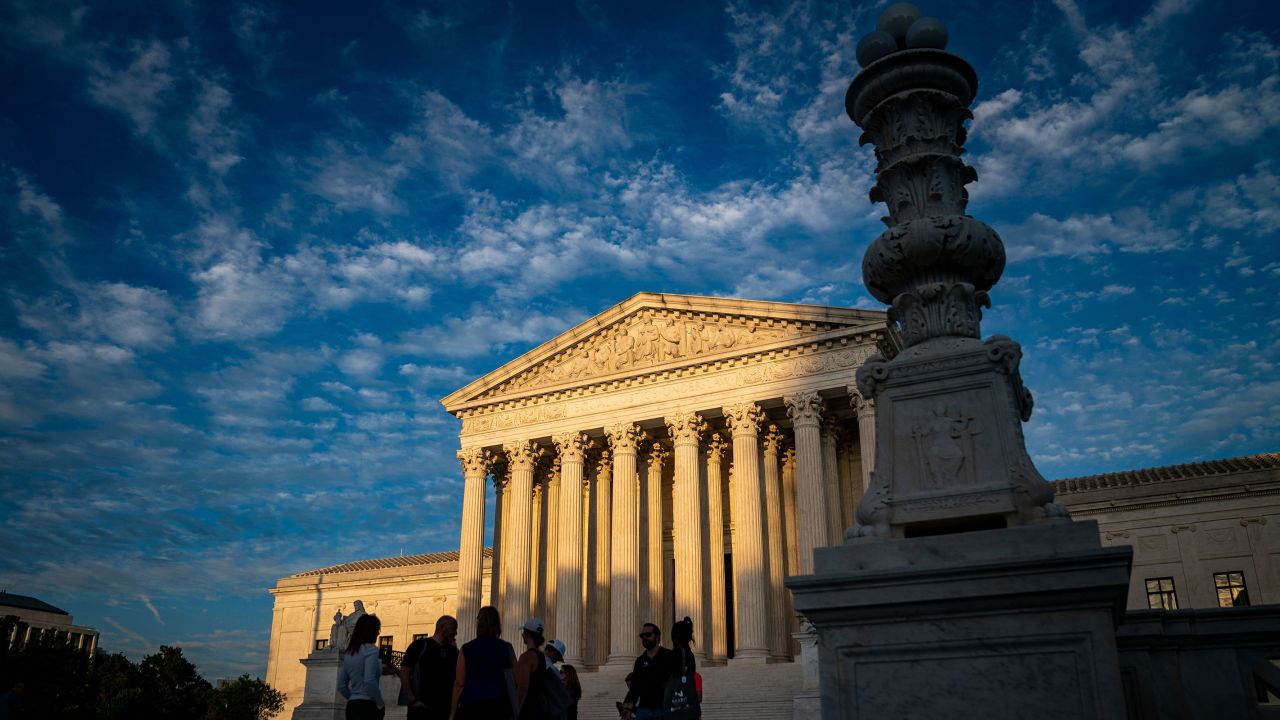
The Supreme Court is examining a case that could fundamentally reshape how federal agencies enforce regulations against major communications companies. AT&T and Verizon are challenging the Federal Communications Commission's authority to impose multimillion-dollar penalties without providing the companies access to jury trials. The telecommunications giants were fined for what the FCC determined was inadequate protection of consumer information, but the companies argue the agency's enforcement process violates their constitutional rights under the Seventh Amendment.
The case represents a broader challenge to administrative enforcement powers that could affect how regulatory agencies across the federal government operate. Legal experts note that a ruling favoring the telecommunications companies could force agencies to pursue enforcement actions through federal courts rather than internal administrative processes. This shift could significantly slow regulatory enforcement and increase the burden of proof required for agencies to impose penalties on corporations.
The FCC imposed the substantial fines following investigations into data security practices at both companies. Agency officials determined that AT&T and Verizon failed to implement adequate safeguards to protect sensitive customer information, including location data, call records, and personal identifiers. The violations allegedly occurred over multiple years and affected millions of customers, leading to penalties that reflected both the scope of the violations and the companies' substantial revenues.
AT&T and Verizon's legal challenge centers on the argument that the FCC's administrative process denies them fundamental constitutional protections available in federal court proceedings. Their attorneys contend that when agencies impose large financial penalties, companies should have the same rights as defendants in civil litigation, including the right to have their cases heard by a jury of their peers. The companies argue that administrative law judges lack the independence and procedural safeguards necessary for fair adjudication of complex cases involving substantial financial penalties.
The outcome could have far-reaching implications for regulatory enforcement across multiple sectors including healthcare, finance, and environmental protection. Federal agencies rely heavily on administrative enforcement procedures to address violations efficiently without overwhelming federal court systems. Consumer advocacy groups have filed briefs supporting the FCC's position, arguing that weakening agency enforcement power could reduce protection for ordinary Americans against corporate misconduct. The Court's decision, expected by late June, will likely influence how federal agencies balance enforcement efficiency with due process rights for decades to come.