Supreme Court Battle Over Trump's Birthright Citizenship Order Splits Conservative Scholars
Constitutional experts who previously agreed on 14th Amendment protections now divide over president's executive action.

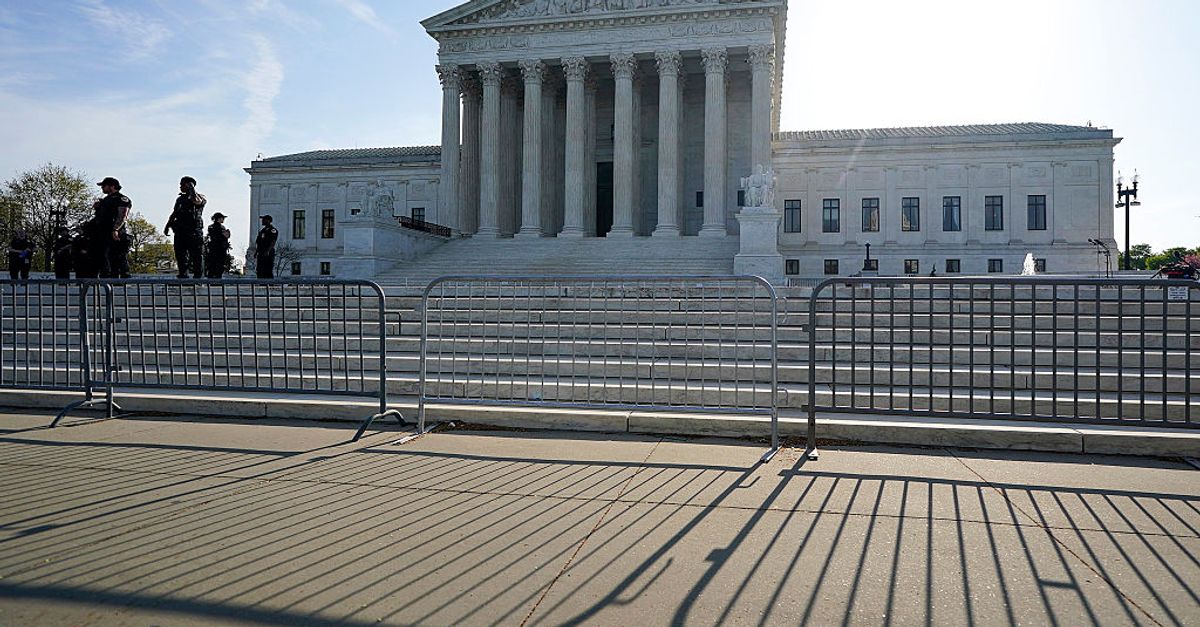
The Supreme Court's conservative majority appears increasingly fractured over how to handle President Trump's executive order limiting birthright citizenship, with a hearing last week revealing sharp divisions among the justices who had been expected to provide a reliable bloc in favor of expanded executive power.
The dispute centers on an executive order Trump signed in January 2025 directing federal agencies to stop issuing citizenship documents to children born in the United States to parents who are in the country illegally or on temporary visas. Lower courts blocked the order within days, and the administration appealed to the Supreme Court on an expedited basis, arguing that the Fourteenth Amendment's citizenship clause does not require automatic citizenship for the children of non-citizens.
The hearing exposed disagreements among constitutional scholars who had previously been aligned on other Fourteenth Amendment questions. Several conservative legal academics who had argued that the amendment's original public meaning in 1868 did not contemplate birthright citizenship for the children of unauthorized immigrants found themselves in conflict with other originalists who argued that the phrase subject to the jurisdiction thereof had always been understood to cover anyone physically present in the United States regardless of their parents' immigration status.
Justice Amy Coney Barrett pressed the administration's attorney on whether the original meaning argument was consistent with a century of unbroken practice granting citizenship to children born on American soil, saying that the unanimous understanding of Congress, the executive branch, and the courts for 150 years deserved significant weight. Justice Clarence Thomas, by contrast, said the original meaning of the clause had been obscured by administrative practice and that the Court was not bound by incorrect historical interpretations.
Democratic state attorneys general from 22 states argued before the Court that overturning birthright citizenship would affect approximately 150,000 children born annually in the United States and would create a permanent underclass of stateless individuals born and raised in the country. The administration countered that Congress could address any such issues through legislation and that the executive branch had the authority to implement a correct constitutional interpretation even if it departed from prior practice.