Senator Mullin Explored Secret Bipartisan Deal to Soften Immigration Crackdown Despite White House Opposition
The GOP senator chosen by Trump to lead DHS privately discussed immigration concessions the administration has repeatedly rejected.
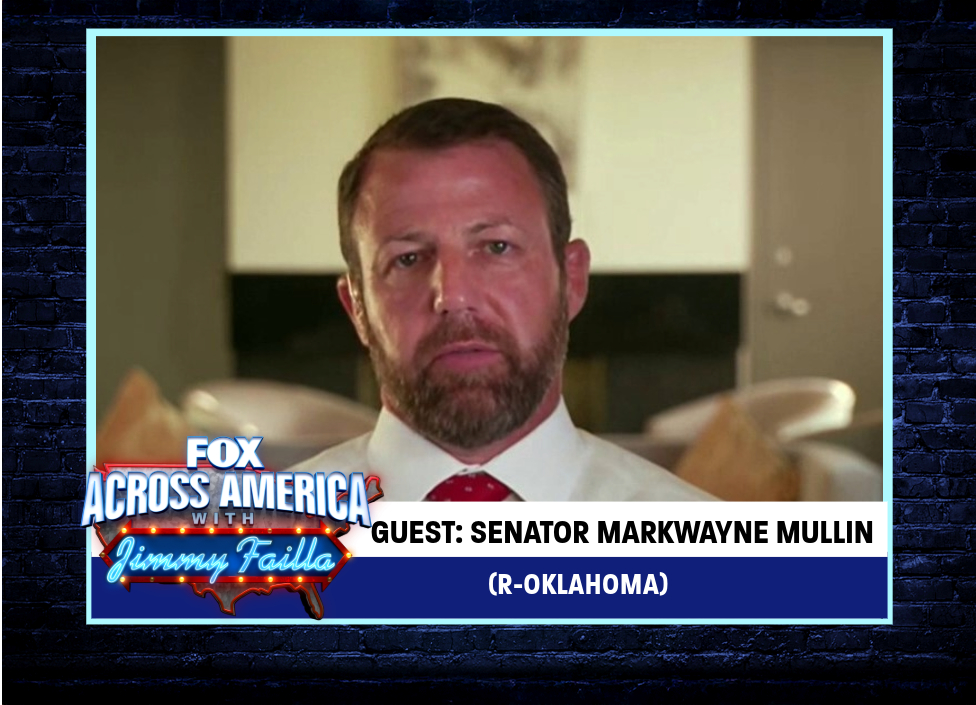
Senator Markwayne Mullin of Oklahoma, President Trump's choice to lead the Department of Homeland Security, privately explored a bipartisan deal with Democratic senators that would have softened several of the administration's most aggressive immigration enforcement measures, according to multiple people familiar with the discussions. The talks, which took place over several weeks earlier this year, included potential concessions on detention policies, deportation priorities, and the treatment of asylum seekers that the White House has publicly and repeatedly rejected.
The revelation of the back-channel discussions has created a political firestorm as Mullin's confirmation process moves forward. Conservative immigration groups have demanded that Mullin publicly disavow any intention to moderate the administration's approach, while Democrats have pointed to the talks as evidence that even Trump's own nominees recognize the need for a more pragmatic immigration policy.
According to people briefed on the discussions, Mullin engaged primarily with a small group of Democratic senators who had expressed willingness to work across party lines on immigration during the ongoing government shutdown. The talks explored the possibility of a deal that would pair additional border security funding with protections for certain categories of immigrants, including Dreamers brought to the country as children and long-term residents with deep community ties.
The concessions Mullin reportedly discussed went beyond what the White House has been willing to consider publicly. They included the possibility of creating formal exemptions from deportation for immigrants who have lived in the country for more than a decade without criminal records, a proposal that directly contradicts the administration's stated policy of universal enforcement regardless of individual circumstances.
Mullin's office declined to comment on the specifics of the discussions but issued a statement saying the senator has always believed in finding practical solutions to complex problems. The statement emphasized Mullin's commitment to border security and said he would faithfully execute the president's immigration agenda if confirmed as DHS secretary.
The White House was caught off guard by the reports and moved quickly to distance itself from the discussions. A senior administration official said Mullin had not been authorized to negotiate on behalf of the White House and that the president's immigration positions were non-negotiable. The official said Trump retained full confidence in Mullin's nomination but expected him to implement administration policy without deviation.
The episode has highlighted the tension between the administration's hardline public posture on immigration and the pragmatic realities of governing. The ongoing government shutdown, now in its 42nd day, was triggered in part by disagreements over immigration policy, and several Republican senators have privately acknowledged that some form of compromise will eventually be necessary to reopen the government and address the country's immigration challenges.
Immigration policy experts said the discussions were noteworthy not for their substance, which tracked closely with bipartisan proposals that have circulated in Congress for years, but for the identity of the person conducting them. The fact that Trump's hand-picked DHS nominee was exploring deals that the president would almost certainly reject publicly suggested either that Mullin was acting independently or that the administration was quietly testing the waters for a policy shift it was not yet ready to acknowledge.
The confirmation process is expected to continue despite the controversy, with a full Senate vote anticipated within the next two weeks. The episode has ensured that immigration policy will be the central focus of the debate, with both parties using Mullin's nomination as a proxy for the broader fight over the direction of enforcement policy.