Senate Kicks Off Marathon Debate on SAVE America Act — Requiring Proof of Citizenship to Vote
Republicans launched days of around-the-clock Senate floor speeches on the Safeguard American Voter Eligibility Act, which would require documentary proof of U.S. citizenship to register and photo ID to cast any ballot, though the bill remains likely to fail a 60-vote filibuster threshold.

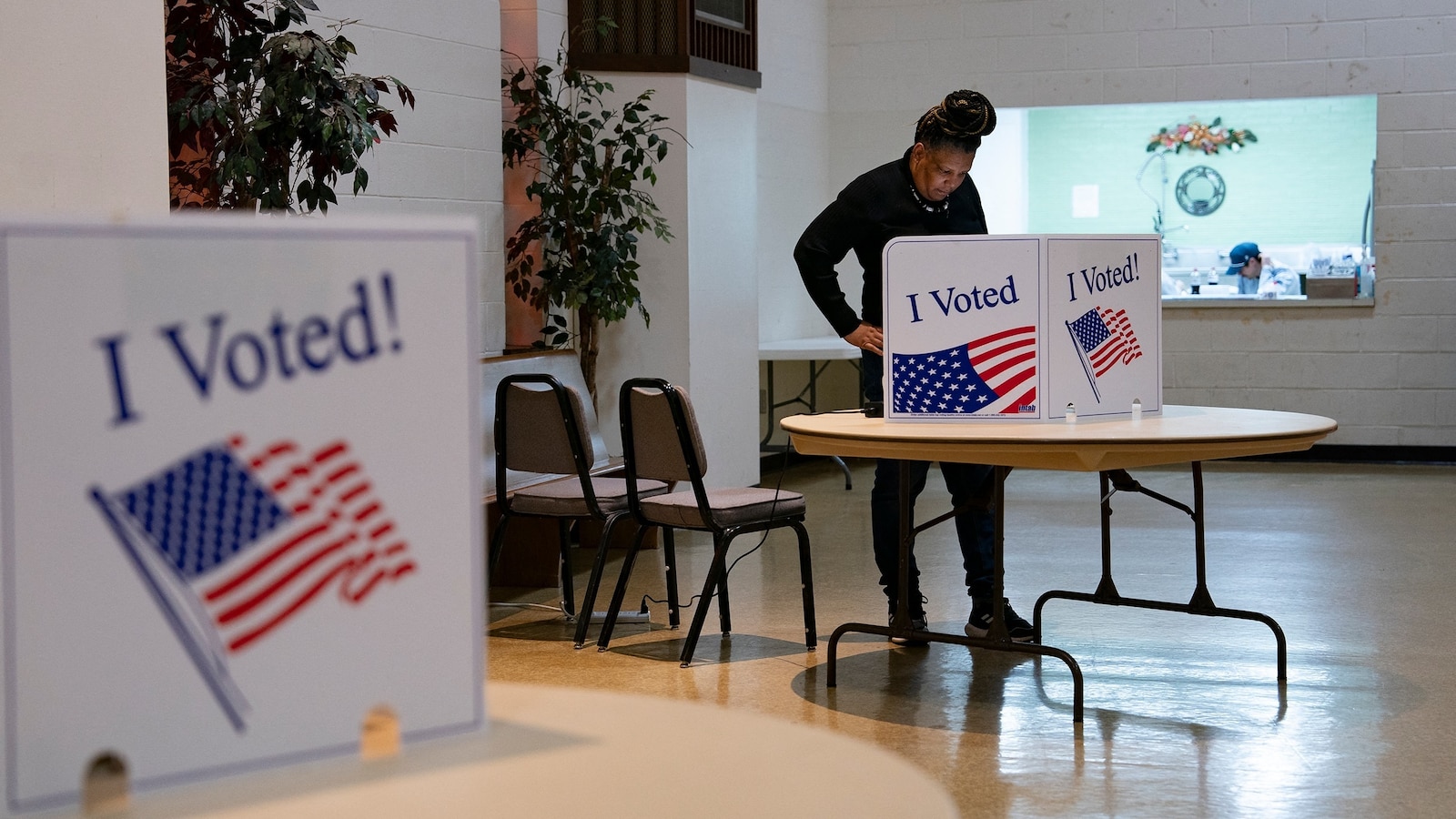
The United States Senate plunged into what Republican leaders described as a marathon, around-the-clock debate this week over the SAVE America Act, the most sweeping overhaul of federal election law in two decades. The bill, which passed the House on February 11 on a party-line vote of 220-215, would require every American to present documentary proof of citizenship when registering to vote and a government-issued photo ID before casting any ballot — whether in person or by mail.
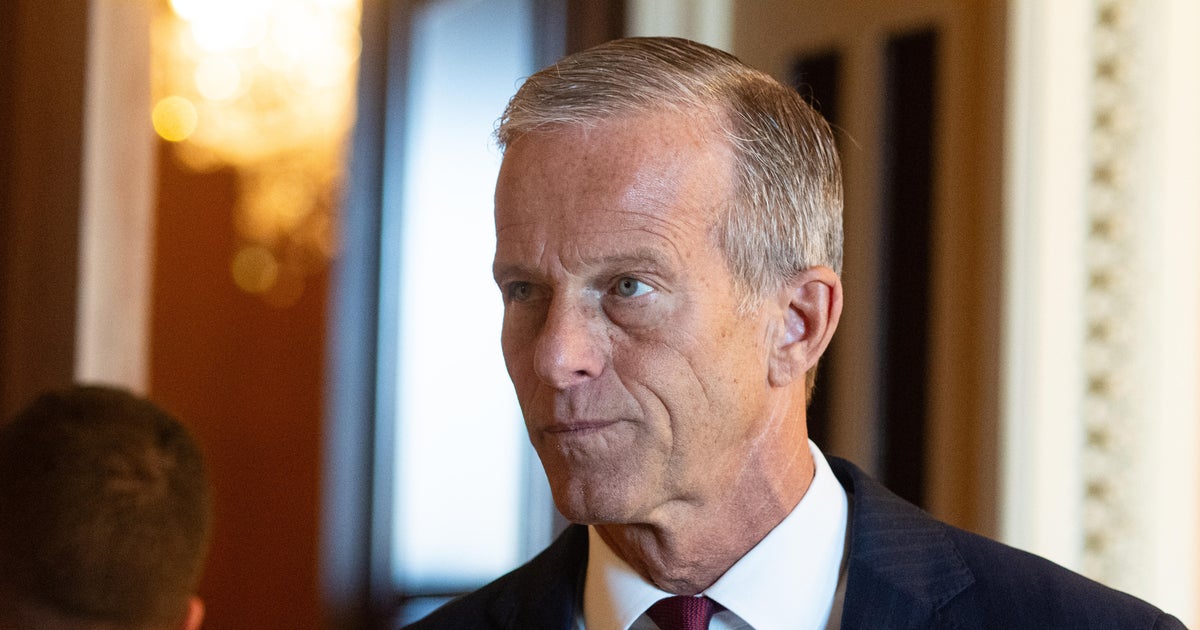
The Senate voted 51-48 Tuesday to begin formal debate, with Alaska Republican Lisa Murkowski the lone member of her party to join all Democrats in opposition. Republicans hold a slim 53-47 majority but are well short of the 60-vote threshold needed to overcome a Democratic filibuster — meaning the bill, despite days of floor speeches, is widely expected to fail on a procedural vote unless two Republican defectors flip to the Democrats or Senate Majority Leader John Thune attempts to invoke the so-called nuclear option and eliminate the legislative filibuster. Thune has not indicated any plan to do so.
Under the bill's requirements, voters registering by mail would still have to appear in person before election officials to present physical citizenship documents. Acceptable documents beyond a U.S. passport include a REAL ID-compliant driver's license, military service records, a certified birth certificate, hospital birth records, an adoption decree, a naturalization certificate, or an American Indian tribal card. States would also be required to cross-reference voter rolls against a Department of Homeland Security immigration database to verify citizenship status of all registered voters.
Democrats and civil liberties groups have attacked the bill as a voter suppression measure. "This bill would effectively disenfranchise millions of eligible American citizens who lack a passport — disproportionately Black voters, Latino voters, low-income voters, and elderly voters who may not drive or travel internationally," said Sen. Catherine Cortez Masto, D-Nev., in a Senate floor speech Thursday. The Brennan Center for Justice estimated that approximately 21.3 million American citizens do not possess the documents required under the bill. Sen. Amy Klobuchar, D-Minn., noted that in 23 states, obtaining a certified birth certificate costs money — a requirement she argued amounts to an unconstitutional poll tax.
Republican supporters framed the legislation as a straightforward national security and election integrity measure. "The only people who should decide American elections are American citizens," said Sen. Chuck Grassley, R-Iowa, the bill's lead sponsor. "What we are asking is simply: prove you are who you say you are." Trump praised the bill repeatedly in social media posts, calling it "the most important election integrity law in 50 years" and warning Republicans that opposing it would be "a betrayal of our voters."
The White House has argued that the SAVE Act is essential to prevent noncitizens from voting in 2026 midterm elections, though federal election officials and multiple academic studies have found no evidence of widespread noncitizen voting in recent U.S. elections. The Congressional Budget Office estimated the bill would cost $3.4 billion to implement over 10 years, primarily in administrative expenses for states to process citizenship verification systems. FactCheck.org noted that federal law already prohibits noncitizens from voting and that existing fraud detection systems already flag suspicious registrations. Senate debate is expected to continue through the weekend with a cloture vote tentatively scheduled for early next week.