Senate Republicans Seize Floor to Force Debate on SAVE Act — The Proof-of-Citizenship Voter ID Bill That Could Bar 21 Million Americans
Senator Mike Lee orchestrated a rare Senate floor takeover to force consideration of legislation that would require documentary proof of citizenship to register to vote in all federal elections — a bill supporters call essential election security and critics call the most far-reaching voter suppression measure in decades.

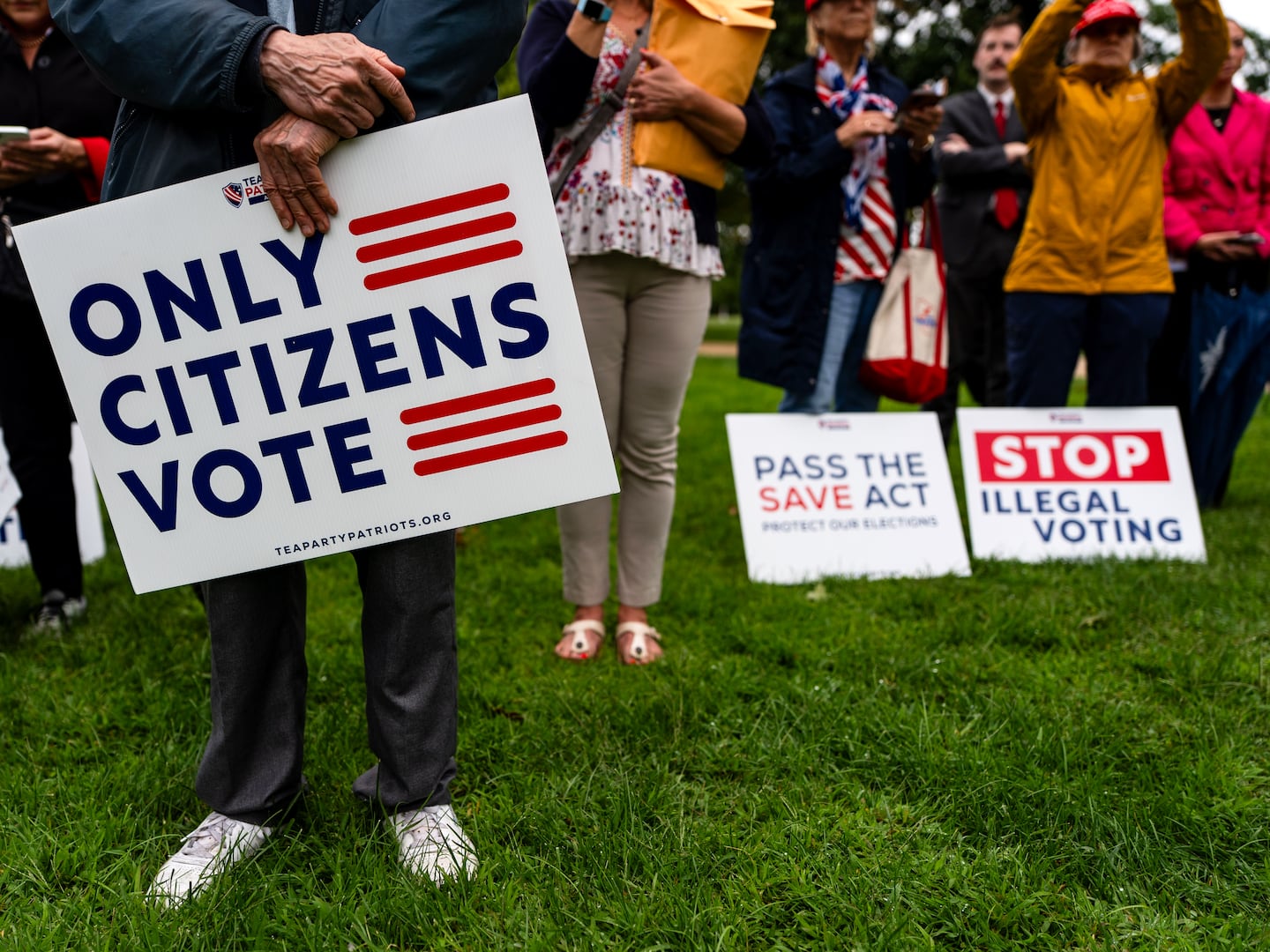
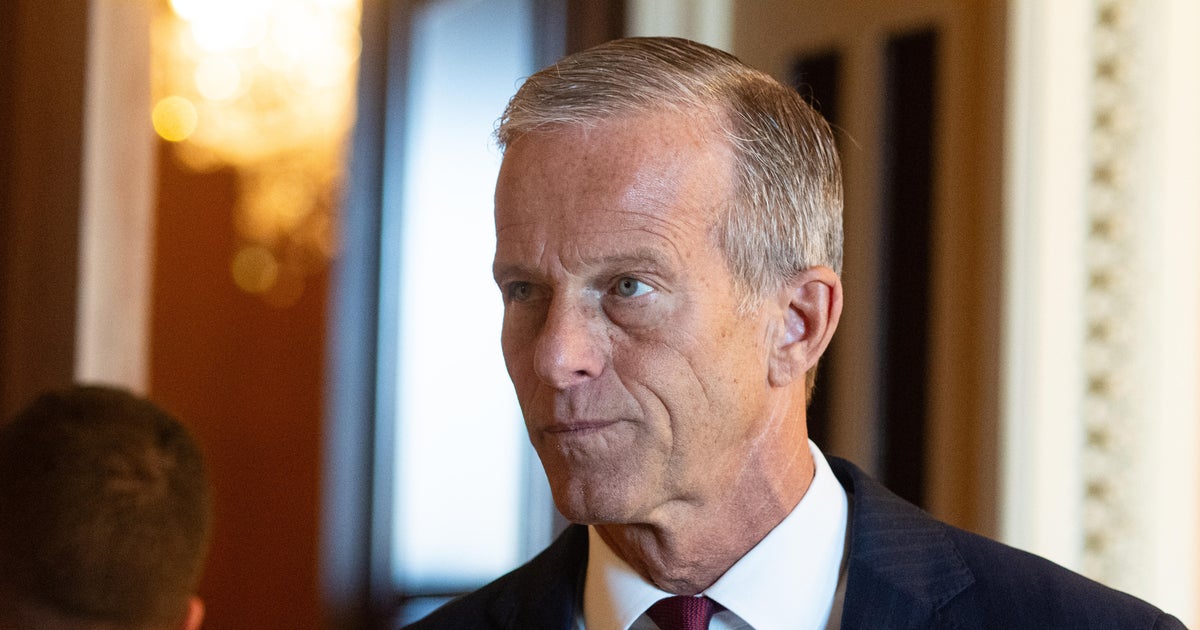
The United States Senate launched a rare floor takeover this week to force consideration of the SAVE America Act, the landmark Republican election security bill that would require all Americans to produce documentary proof of citizenship when registering to vote in federal elections — legislation that supporters call the most important election integrity reform in a generation and that critics call the most sweeping act of voter suppression since the Jim Crow era. The parliamentary maneuver, orchestrated by Senator Mike Lee (R-Utah), exploited Senate procedural rules to commandeer floor time and force debate on the bill, which passed the House of Representatives in February along party lines after President Trump designated it a top legislative priority.
The SAVE Act — formally the Safeguard American Voter Eligibility Act — prohibits states from accepting voter registration applications that do not include documentary proof of United States citizenship. Acceptable documents under the bill include a U.S. passport, a REAL ID-compliant driver's license or identification card that indicates citizenship, a military identification card with citizenship notation, or a tribal identification document. Supporters argue the bill closes a critical loophole: federal voter registration forms currently require only a written attestation of citizenship, not documentary verification. "Every illegal vote cancels out the vote of a real American citizen," Senator Lee said from the Senate floor. "We are simply asking people to prove they are who they say they are."
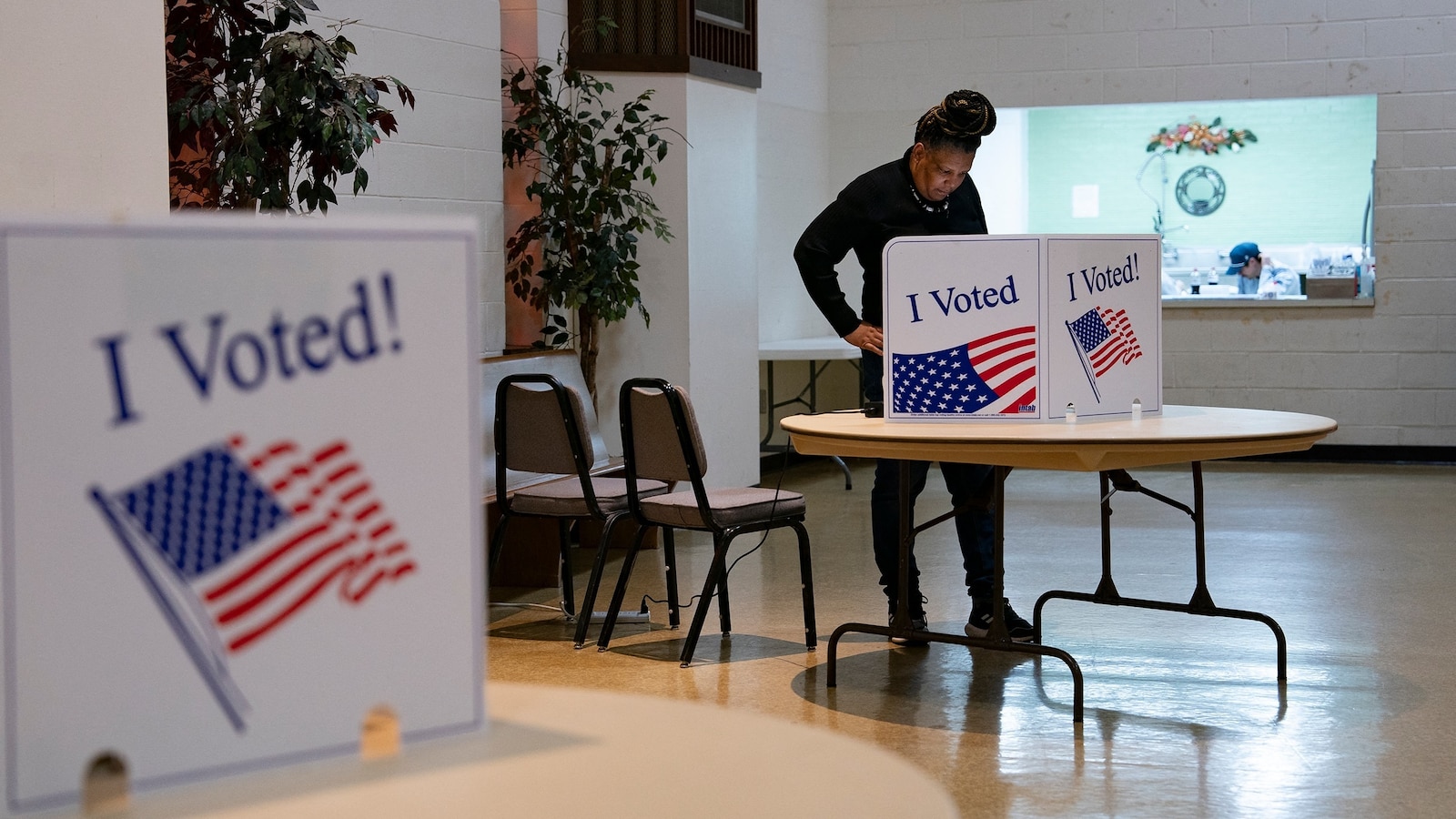
Opponents, which include all Senate Democrats and a wide array of election security experts, argued that the bill would effectively disenfranchise tens of millions of eligible American voters who do not have ready access to the required documentation. The Brennan Center for Justice estimated that approximately 21.3 million voting-age U.S. citizens lack documentary citizenship proof — particularly women who have changed their names and whose birth certificates no longer match their current identification, rural voters in states with limited DMV access, low-income Americans, transgender individuals whose documents may be in transition, and young first-time registrants who have not yet obtained passports or REAL ID-compliant licenses. Senate Minority Leader Chuck Schumer called the bill "a poll tax for the 21st century."
The nonpartisan FactCheck.org noted in an analysis published Friday that verified instances of noncitizens successfully registering to vote have been "few and far between" and have never been demonstrated to have affected the outcome of any U.S. election. Noncitizen voting is already a federal crime punishable by up to five years in prison and deportation. Studies by the Government Accountability Office and multiple state election officials have found the number of noncitizens who attempt to register to vote is vanishingly small — typically measured in dozens per state per election cycle — and that virtually all are caught and removed from rolls before voting.
The bill faces a steep climb in the Senate, where any measure needs 60 votes to overcome a Democratic filibuster. Republicans hold 53 seats in the current Congress, meaning at least seven Democrats would need to cross the aisle. No Democratic senator has expressed support for the bill as written, and several Republican senators from competitive states have expressed private reservations about a measure that could suppress registration. Meanwhile, Republican-led states including Florida, Texas, and Georgia have introduced state-level SAVE Act analogues applying similar proof-of-citizenship requirements to state elections. Civil liberties groups have filed preemptive lawsuits in all three states, and federal judges in Florida and Georgia have issued temporary restraining orders blocking implementation. The floor fight was widely seen as a political positioning exercise ahead of the 2026 midterms, forcing Senate Democrats to cast a visible vote against a measure that polls well among Republican voters.