Senate Republicans Near Deal to End Five-Week DHS Shutdown as Airport Chaos Escalates
A GOP proposal would fund 94% of DHS while leaving ICE deportation operations in a separate bill, as TSA shortages push airport wait times past two hours at major hubs.

Senate Republicans and the White House are closing in on an agreement to reopen the Department of Homeland Security after a five-week partial government shutdown that has paralyzed the nation's airport security system, prompted hundreds of TSA employees to quit, and triggered urgent warnings from national security officials about the United States' vulnerability during an active overseas conflict. The proposed deal, hammered out in talks between Sens. Katie Britt of Alabama, Bernie Moreno of Ohio, Lindsey Graham of South Carolina, and Steve Daines of Montana, would fund roughly 94 percent of DHS's budget while withholding $5.5 billion for Immigration and Customs Enforcement's deportation arm, known as Enforcement and Removal Operations.
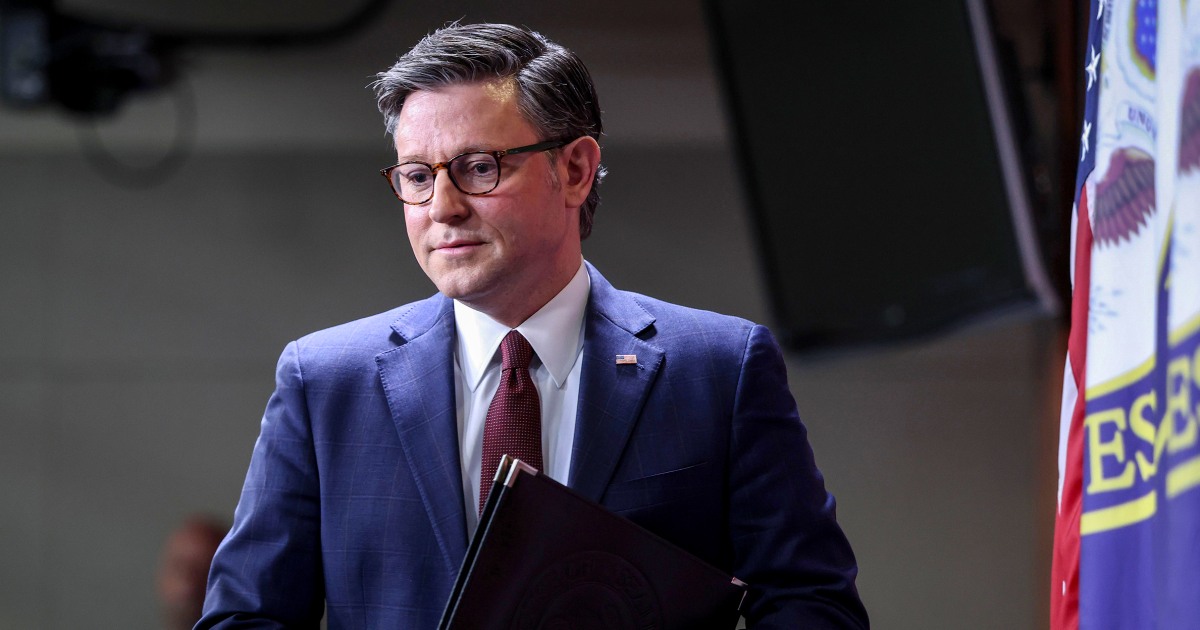
The proposal would keep TSA, FEMA, the Coast Guard, Customs and Border Protection, and the Secret Service funded and operational while leaving ICE's Enforcement and Removal Operations in a separate, filibuster-proof bill that Republicans hope to pass alongside portions of the SAVE America Act. Senate Majority Leader John Thune confirmed Tuesday that the deal was "very close," telling reporters that Republicans believe the structure provides a path to end the shutdown without surrendering on immigration enforcement priorities.
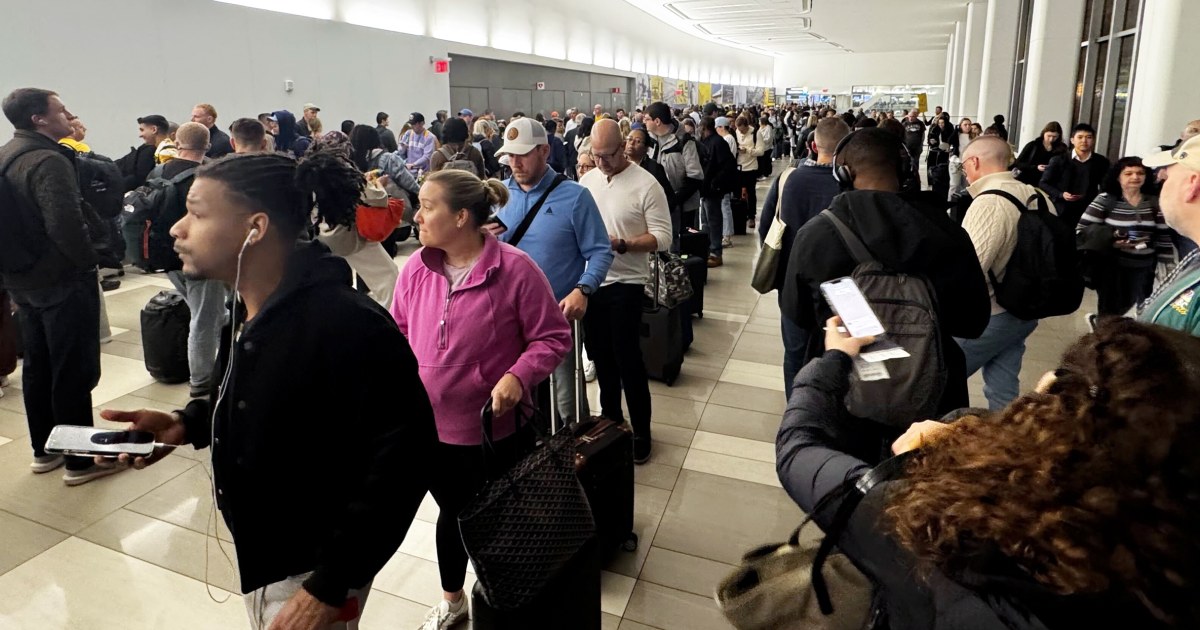
The airport situation has grown increasingly dire. TSA officers missed their first full paycheck last weekend, and more than 300 TSA employees have left the agency since the shutdown began. Wait times at Houston and Atlanta hub airports reached two hours on Friday; New Orleans' Louis Armstrong International Airport advised passengers to arrive three hours early. President Trump responded Sunday by deploying ICE agents to assist at 13 major airports — a stopgap measure that critics derided as using immigration enforcement officers for transportation security duties they are not trained to perform. A senior TSA official told CNN the agency is "operating on fumes."
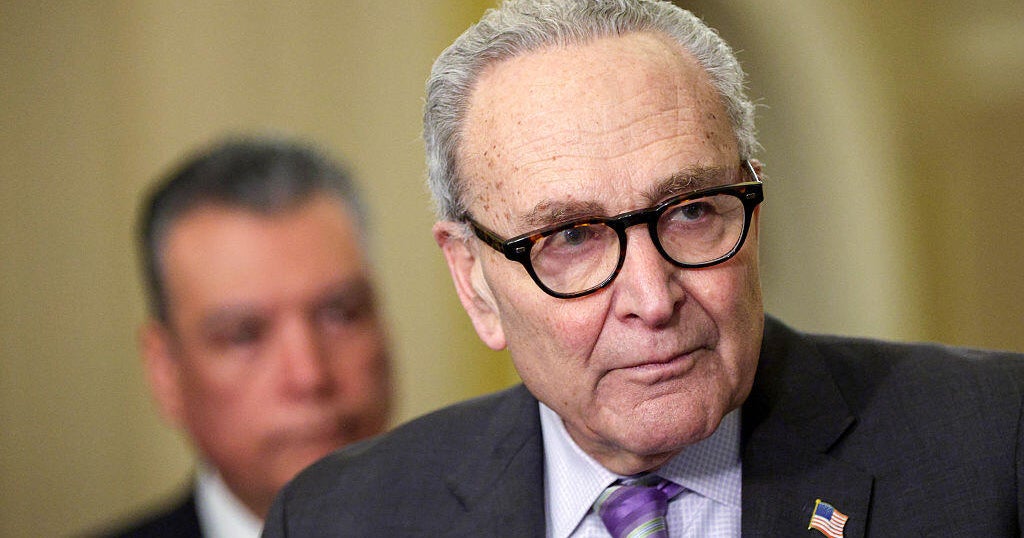
Democrats greeted the Republican proposal cautiously, stopping short of endorsement after a Tuesday caucus meeting. Senate Minority Leader Chuck Schumer said Democrats were "open to reviewing the specific legislative text" but reiterated their core demand: any DHS funding bill must include reforms to ICE's detention and deportation practices. Progressive members of the caucus pushed back harder, with Sen. Alex Padilla of California calling the framework a "rubber stamp for an agency that has been shooting immigrants in the streets of Minneapolis." The reference was to the separate federal lawsuit filed by Minnesota prosecutors seeking evidence in three ICE shootings, including two fatalities, that occurred during Minneapolis immigration operations.
The shutdown began in mid-February after Senate Democrats blocked a DHS appropriations bill that fully funded ICE deportation operations, citing abuses documented by advocacy groups and the press. Republicans refused to include oversight provisions and the standoff hardened. National security experts have warned that the shutdown creates meaningful vulnerabilities: the Coast Guard has been operating without full funding for weeks, Cybersecurity and Infrastructure Security Agency staff are working without pay, and FEMA's disaster response reserves are thinning just as spring storm season approaches. With the Iran war ongoing and oil markets already elevated, analysts from the Rand Corporation and Atlantic Council have both published briefs arguing that the domestic security vacuum could invite adversarial probing of U.S. infrastructure.