Senate Votes at 2 a.m. to Fund TSA but Excludes ICE — House Immediately Rejects the Deal
A bipartisan Senate vote to restore DHS funding collapsed within hours when the House passed its own rival bill, leaving the 42-day shutdown without resolution as senators begin a two-week recess.
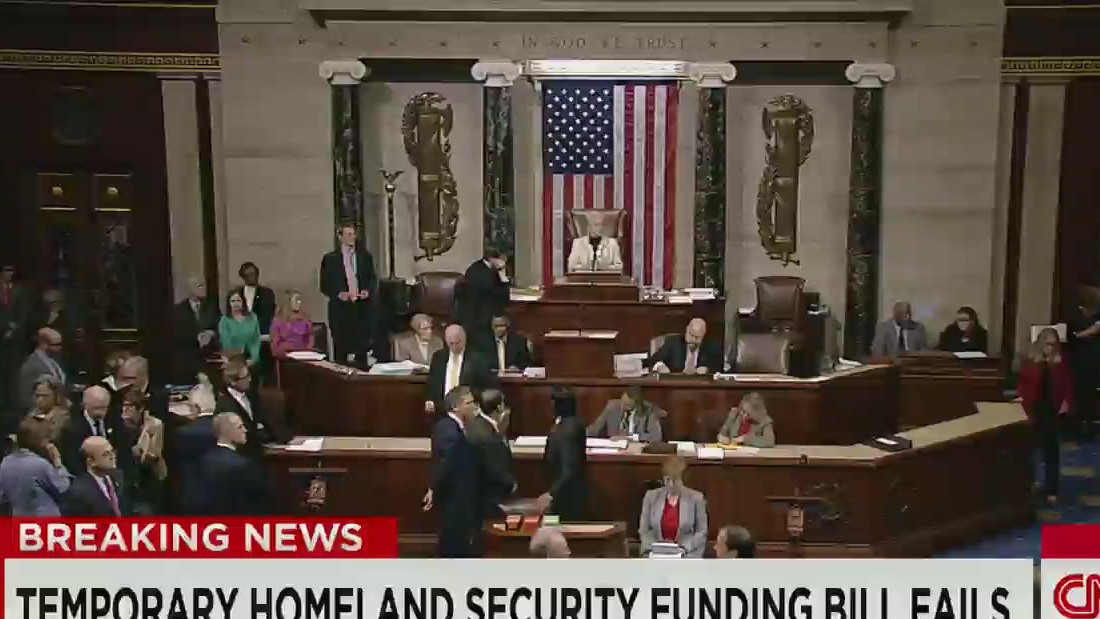
The Senate voted unanimously at 2:20 a.m. Friday to restore funding for key Department of Homeland Security agencies — including the TSA, Coast Guard, FEMA, and CISA — but the deal collapsed within hours when the House passed its own rival bill, leaving the 42-day DHS shutdown without resolution and the federal government's airport security workforce still awaiting back pay. The Senate is now on a two-week recess, meaning no resolution is likely before mid-April even as airport chaos continues to compound daily.
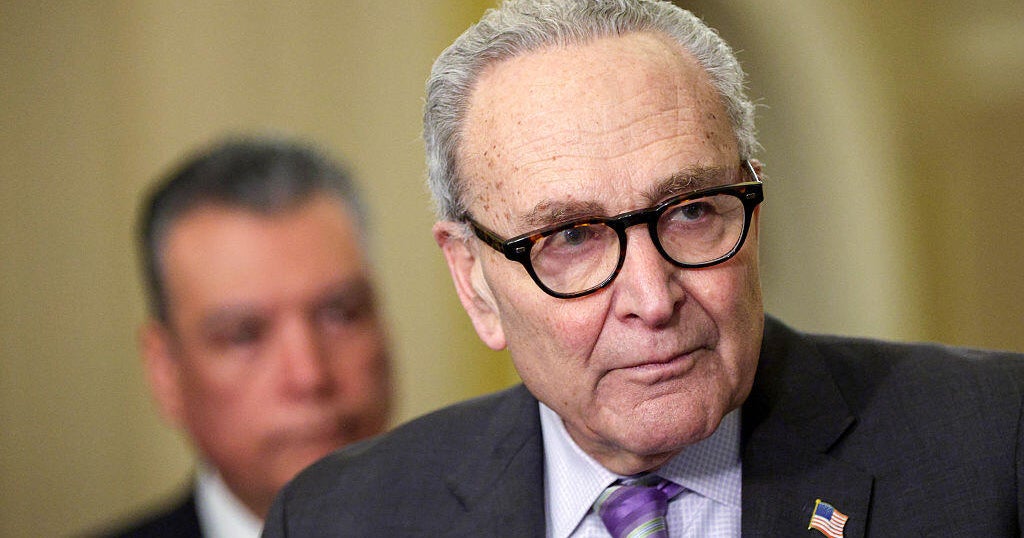
The Senate's funding measure deliberately excluded ICE and Customs and Border Protection, stripping out the immigration enforcement agencies that have been the central sticking point in budget negotiations. The move was celebrated by Democrats, with Senate Minority Leader Chuck Schumer of New York calling it a clear win: "This could have been done three weeks ago." The bipartisan vote reflected the growing political pressure from a constituency that crosses party lines — travelers facing multi-hour security waits, airlines canceling flights, and an aviation industry losing hundreds of millions of dollars per day.
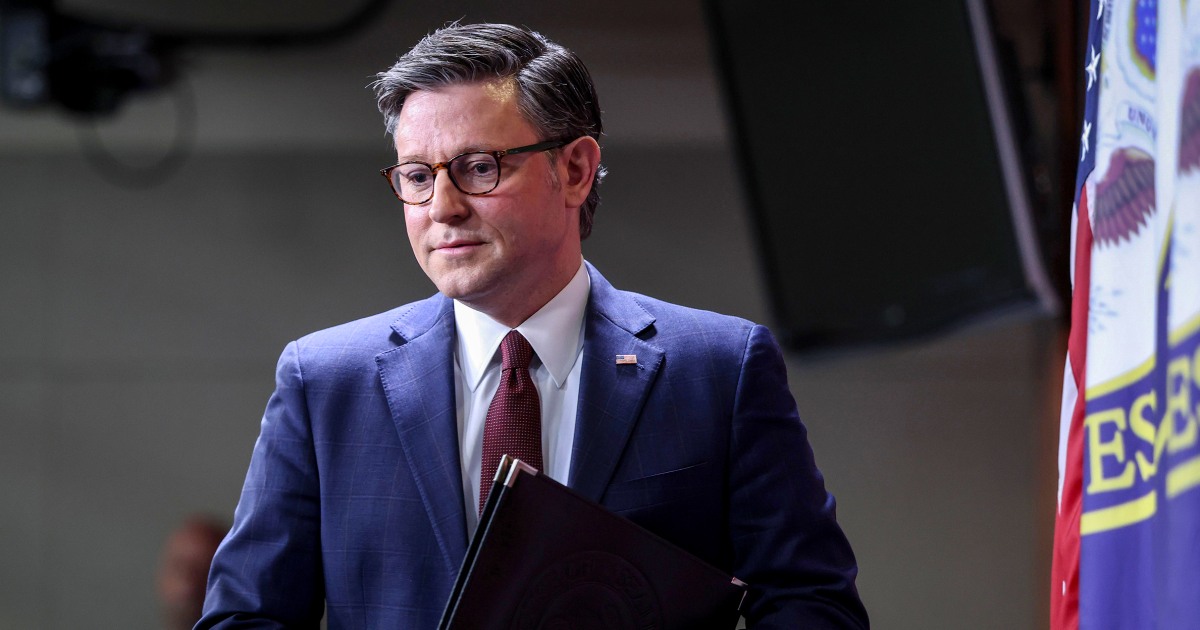
But the House rejected the Senate's framework almost immediately. Republican members passed their own 60-day continuing resolution by a narrow 213–203 margin on Friday night, including ICE and CBP funding that Senate Democrats have refused to accept. The bill passed along near-party-line lines, reflecting the entrenched divide over whether immigration enforcement agencies should be funded as part of any DHS deal. With both chambers now on recess, the next opportunity for a resolution will not come until the week of April 13 at the earliest.
President Trump attempted to provide immediate relief by signing a directive ordering newly confirmed DHS Secretary Markwayne Mullin to restart pay for TSA officers. The administration said affected workers should see paychecks by Monday, March 30. However, the legal mechanism for funding the payments outside of a formal appropriations bill remains disputed, and congressional budget experts have raised questions about whether the administration has clear authority to selectively restore pay to some DHS workers while others remain unpaid.
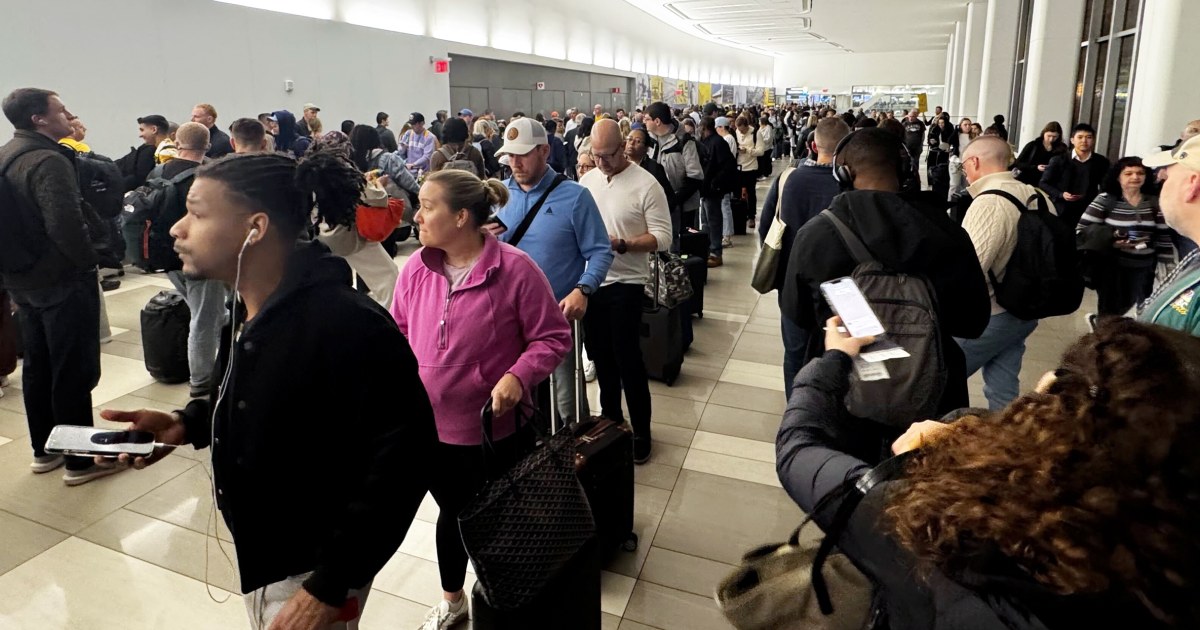
The human cost of the 42-day shutdown has been severe. More than 480 TSA officers resigned during the funding gap, unable to work without pay. Call-out rates for TSA workers exceeded 11 percent nationally, with some airports recording absences above 40 percent. The TSA workforce of approximately 50,000 officers has been operating without compensation since February 14. Major airports including Los Angeles International, Chicago O'Hare, and John F. Kennedy International have experienced multi-hour security lines, with travelers reporting waits exceeding three hours during peak periods. Flight cancellations attributable to security delays have rippled through airline schedules nationwide.
The political dynamics underlying the impasse remain unchanged. House Republicans, emboldened by their narrow majority, have insisted that any DHS funding measure include ICE and border patrol resources as part of their broader immigration enforcement agenda. Senate Democrats, supported by a handful of Republican moderates, have argued that conflating TSA and Coast Guard funding with immigration enforcement is precisely the kind of hostage-taking that led to the crisis in the first place. The two-week recess gives both sides time to gauge public opinion — and political cover — before returning to negotiations that have so far proven intractable.