Senate Closes In on Deal to End Six-Week DHS Shutdown After Republicans Meet Trump at White House
A bipartisan framework would fund TSA, FEMA, and the Coast Guard while carving out ICE deportation funding for separate reconciliation — potentially ending the longest aviation-security shutdown in U.S. history.
Six weeks after the Department of Homeland Security became the site of the longest partial government shutdown in nearly a decade, Senate negotiators emerged from a second consecutive night of White House talks Monday saying they are 'on a good track' toward a funding deal that would reopen the agency and put hundreds of thousands of federal workers back on the payroll before the Easter recess.
The shutdown began on February 14 when Senate Democrats blocked passage of a spending bill that made no changes to ICE enforcement operations. Their demands followed two fatal shootings of civilians by ICE and CBP agents in Minneapolis in January — incidents that galvanized progressive Democrats around the cause of tying DHS funding to a suite of new oversight requirements. Republicans countered that Democrats were holding national security hostage to a political agenda, pointing to rising TSA checkpoint wait times, officer resignations, and ICE's diminished enforcement capacity as the costs of the standoff mounted.
The emerging framework would fund the vast majority of DHS agencies — including TSA, the Coast Guard, FEMA, the Secret Service, and most CBP operations — while temporarily carving out funds for ICE's Enforcement and Removal Operations. Republicans would then push the ICE budget, along with the SAVE America Act — Trump's controversial voter-ID legislation — through the budget reconciliation process, bypassing the 60-vote threshold required for most legislation. The deal structure was crafted to give Democrats a symbolic concession on ICE accountability while allowing Republicans to separately pass the voter-ID bill without any Democratic support.
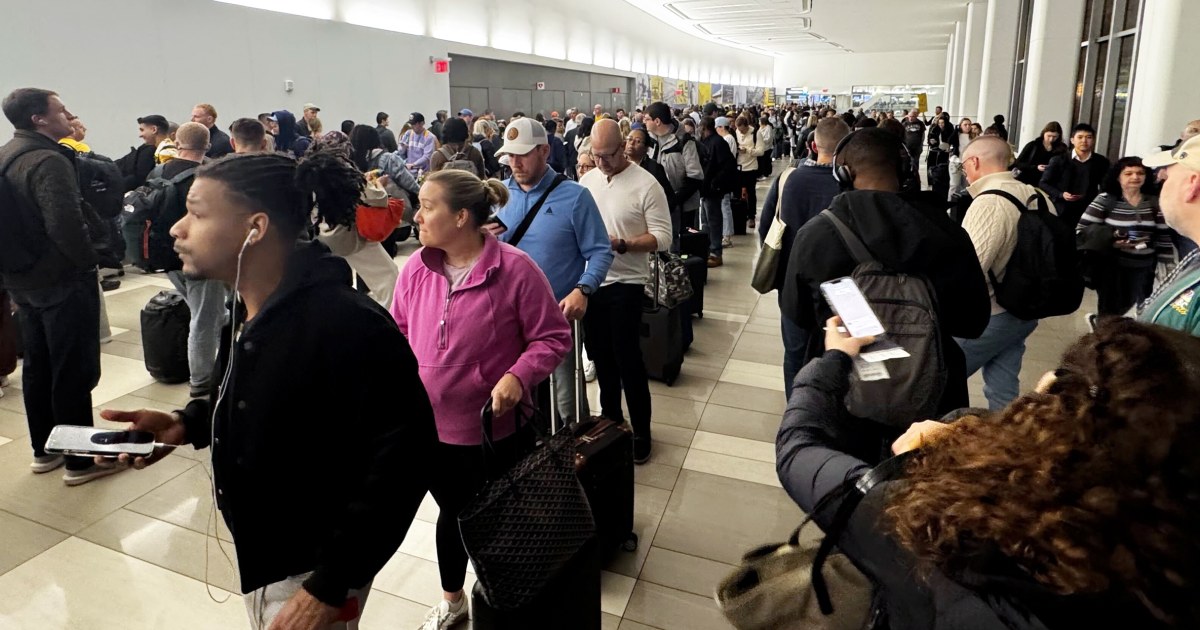
The personal toll on federal workers has been severe. More than 400 TSA officers have resigned since the shutdown began, and the agency reported that unscheduled absences at checkpoints have more than doubled, generating lines of up to 120 minutes at Houston Intercontinental Airport and pushing Atlanta Hartsfield-Jackson into crisis mode during the spring break travel season. ICE agents were deployed as a stopgap to 14 airports — a legally improvised measure that drew swift condemnation from House Democrats who called it an inappropriate use of immigration enforcement personnel in a domestic aviation security context. TSA union representatives testified before the Senate Homeland Security Committee last week that morale was at a historic low and that recruitment pipelines for new officers had effectively collapsed.
Senate Majority Leader John Thune threatened earlier in the month to cancel the chamber's two-week Easter recess unless a deal was struck, a move that focused negotiators' minds considerably. The four Republican senators most involved in the talks — Katie Britt of Alabama, Bernie Moreno of Ohio, Lindsey Graham of South Carolina, and Steve Daines of Montana — returned from the Monday evening White House session saying President Trump had 'blessed' the framework. Key Democratic members of the bipartisan group signaled they could accept the deal's structure. Sen. Susan Collins called the trajectory 'very encouraging.' The formal legislative text is expected to be drafted Tuesday, with a floor vote possible as early as Wednesday — potentially ending the longest aviation-security-related shutdown in American history before the holiday travel season fully ramps up.