Scientists Map Brain's Hidden Wiring Using Revolutionary RNA Barcode Technology
Breakthrough method captures thousands of neural connections with single-synapse precision, potentially revolutionizing neurodegenerative disease research.
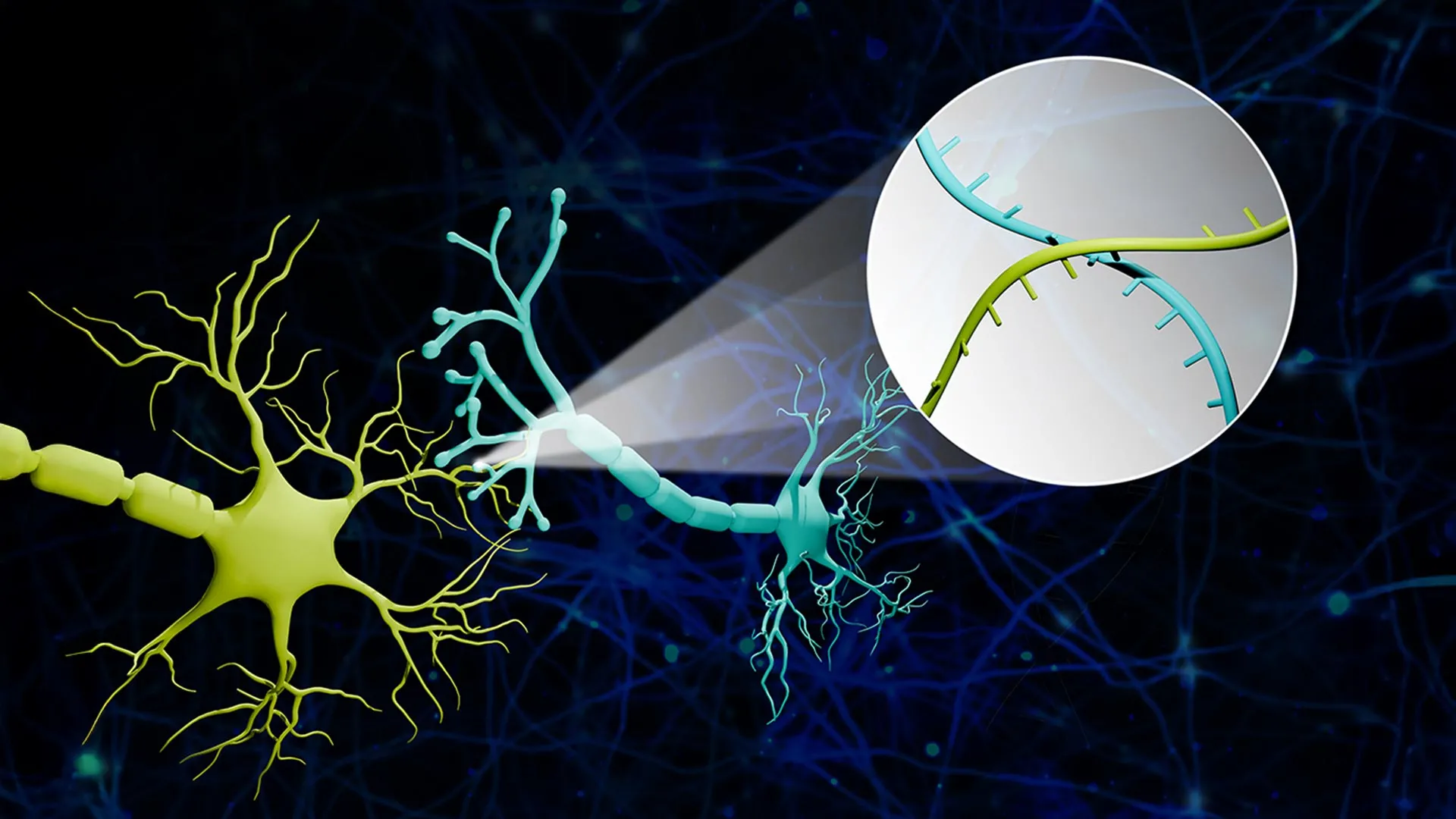
Researchers at the University of Illinois Urbana-Champaign have developed a groundbreaking technique that uses molecular "barcodes" to map brain connections with unprecedented speed and detail, potentially transforming our understanding of neurological disorders and brain function. The new method, called Connectome-seq, can simultaneously track thousands of neural connections at the individual synapse level, representing a major advance over traditional brain mapping approaches that required laborious manual reconstruction of neural pathways.
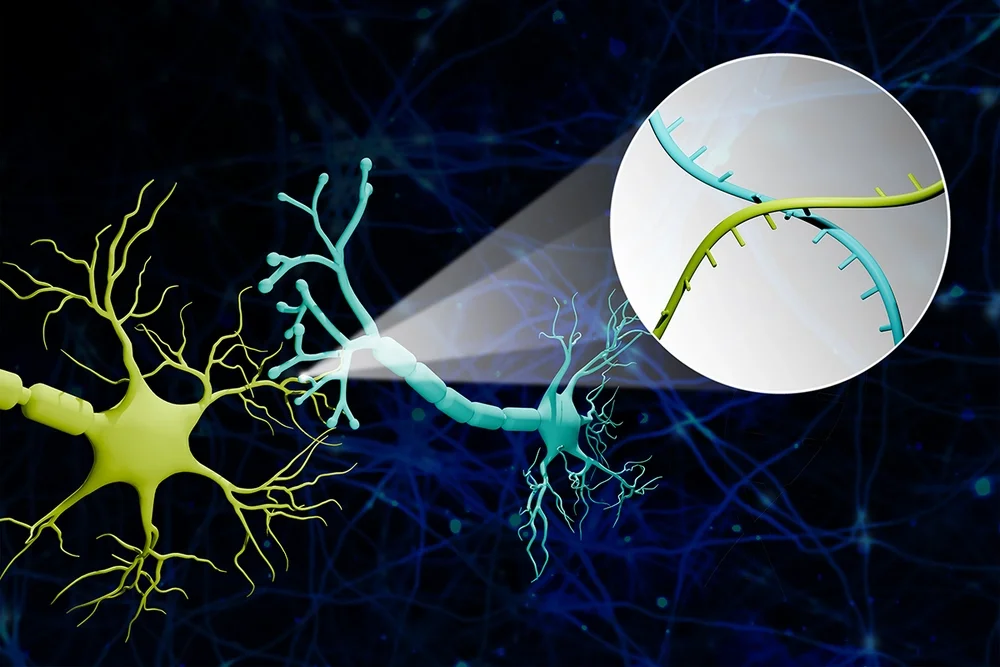
The innovative technique assigns each neuron a unique RNA barcode that travels from the cell body to synapses, the critical junctions where neurons communicate. When two neurons connect, their barcodes meet at the synapse, allowing researchers to use high-throughput DNA sequencing to identify which cells are directly linked. "We translated the neural connectivity problem into a sequencing problem," explained lead researcher Boxuan Zhao, comparing the process to tracking balloon connections by reading barcode stickers that migrate to the junction points.
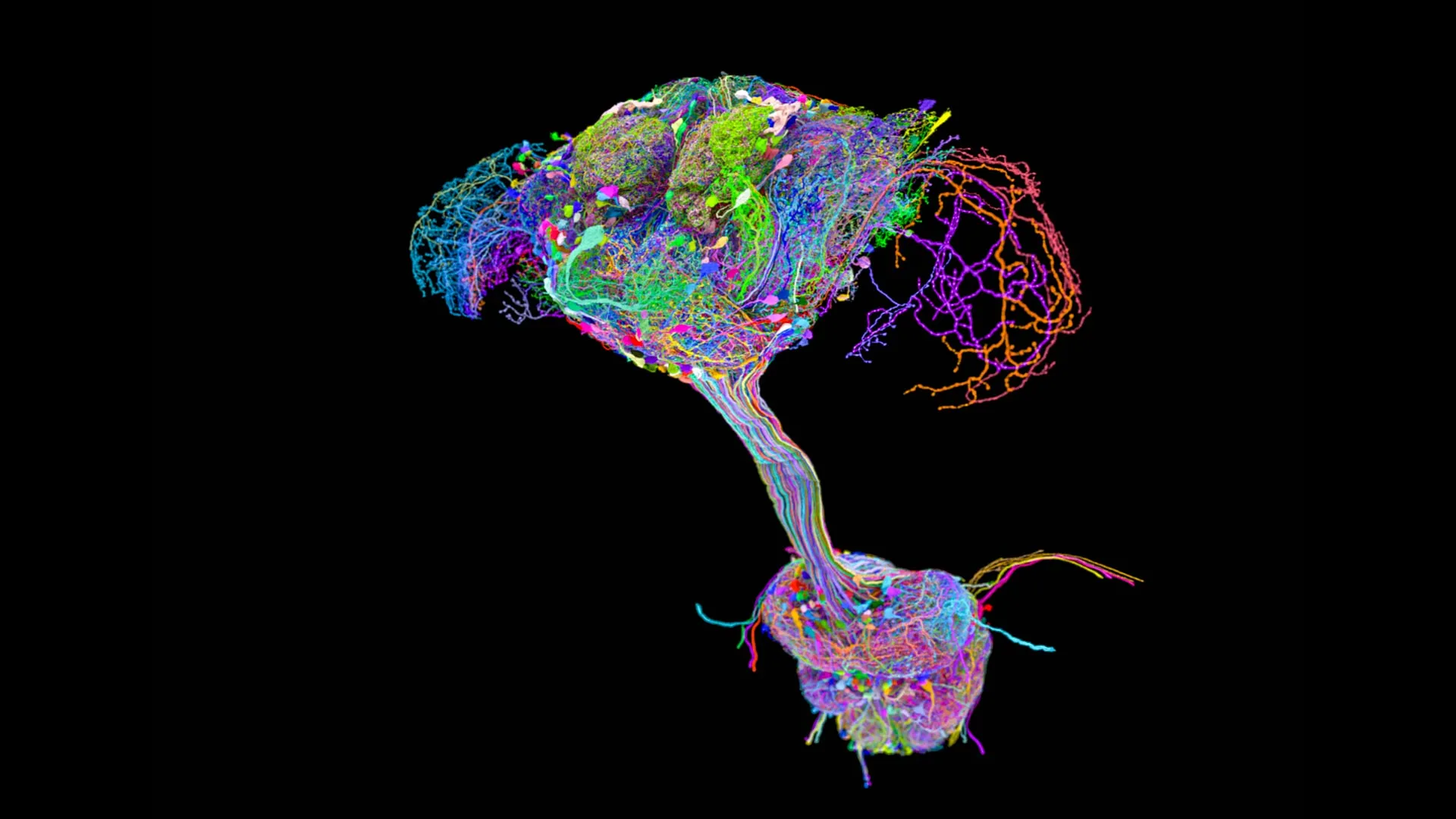
Traditional brain mapping has been extremely time-consuming and technically challenging, requiring scientists to slice brain tissue into ultra-thin sections and painstakingly reconstruct pathways under microscopes. While newer sequencing-based tools can label many neurons simultaneously, they typically show where neurons extend rather than identifying the specific cells they connect with at synapses. Connectome-seq overcomes these limitations by directly revealing which neurons form functional partnerships, enabling large-scale network analysis that was previously impossible.
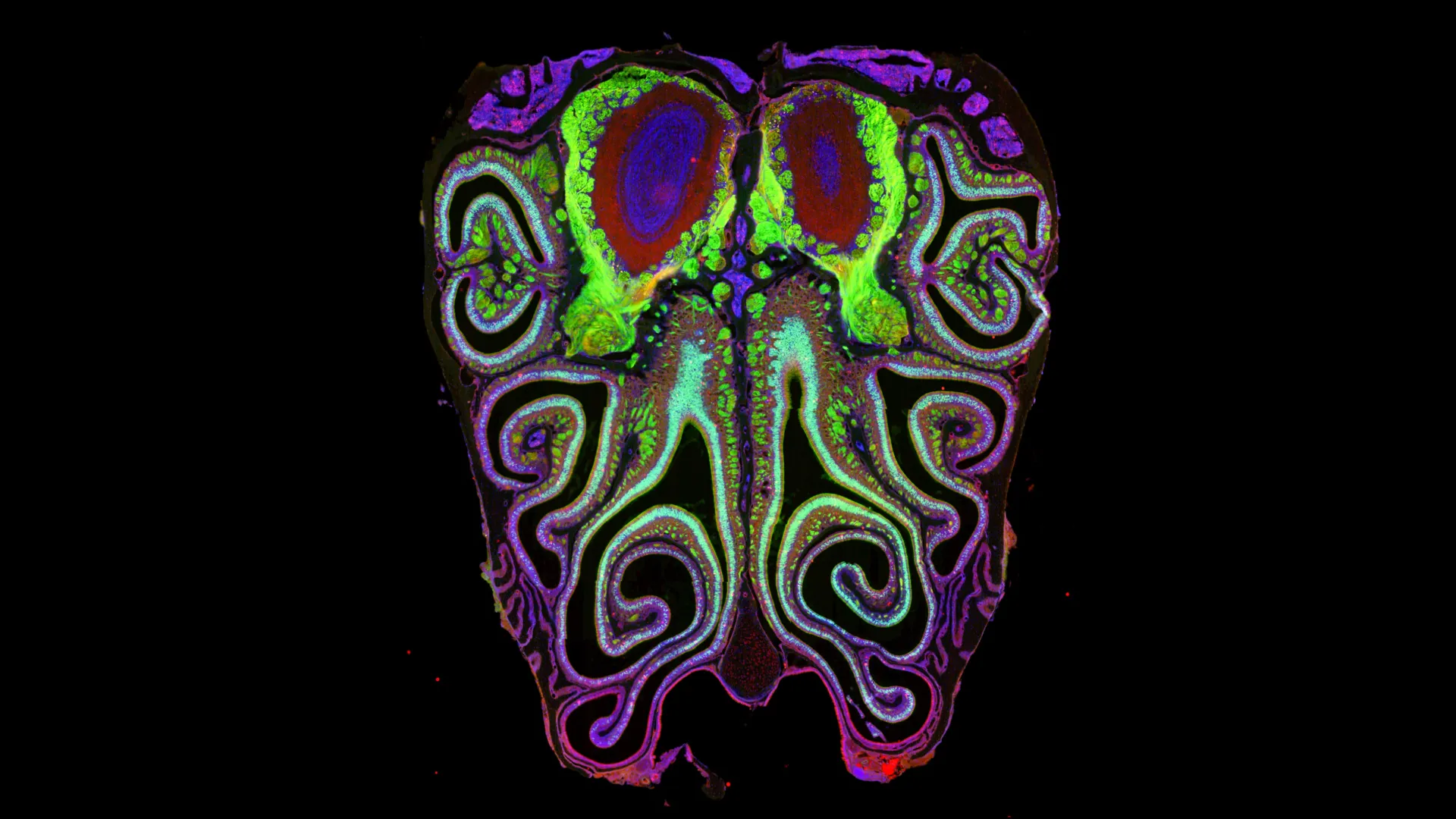
The research team successfully demonstrated their method in mouse brains, discovering surprising new connections between brain cells that had not been identified through conventional approaches. This capability could prove invaluable for understanding how complex brain networks organize themselves and how they malfunction in diseases like Alzheimer's, Parkinson's, and other neurodegenerative conditions. "Our technology enables simultaneous mapping of thousands of neural connections with single-synapse resolution—a capability that doesn't exist in any current technology," Zhao noted.
The implications extend far beyond basic neuroscience research into potential therapeutic applications. By providing detailed maps of brain connectivity, the technology could help scientists identify exactly which neural circuits become disrupted in various neurological and psychiatric disorders. This precision could enable the development of more targeted treatments that address specific connectivity problems rather than broadly affecting brain chemistry. The method is also directly applicable to studying how brain circuits change over time, potentially revealing early markers of neurodegenerative diseases before symptoms appear.