Scientists Discover Mars Dust Storms Generate Powerful Electrical Activity
Electrical discharges from Martian dust devils and storms create chemical reactions that reshape planet's surface and atmosphere
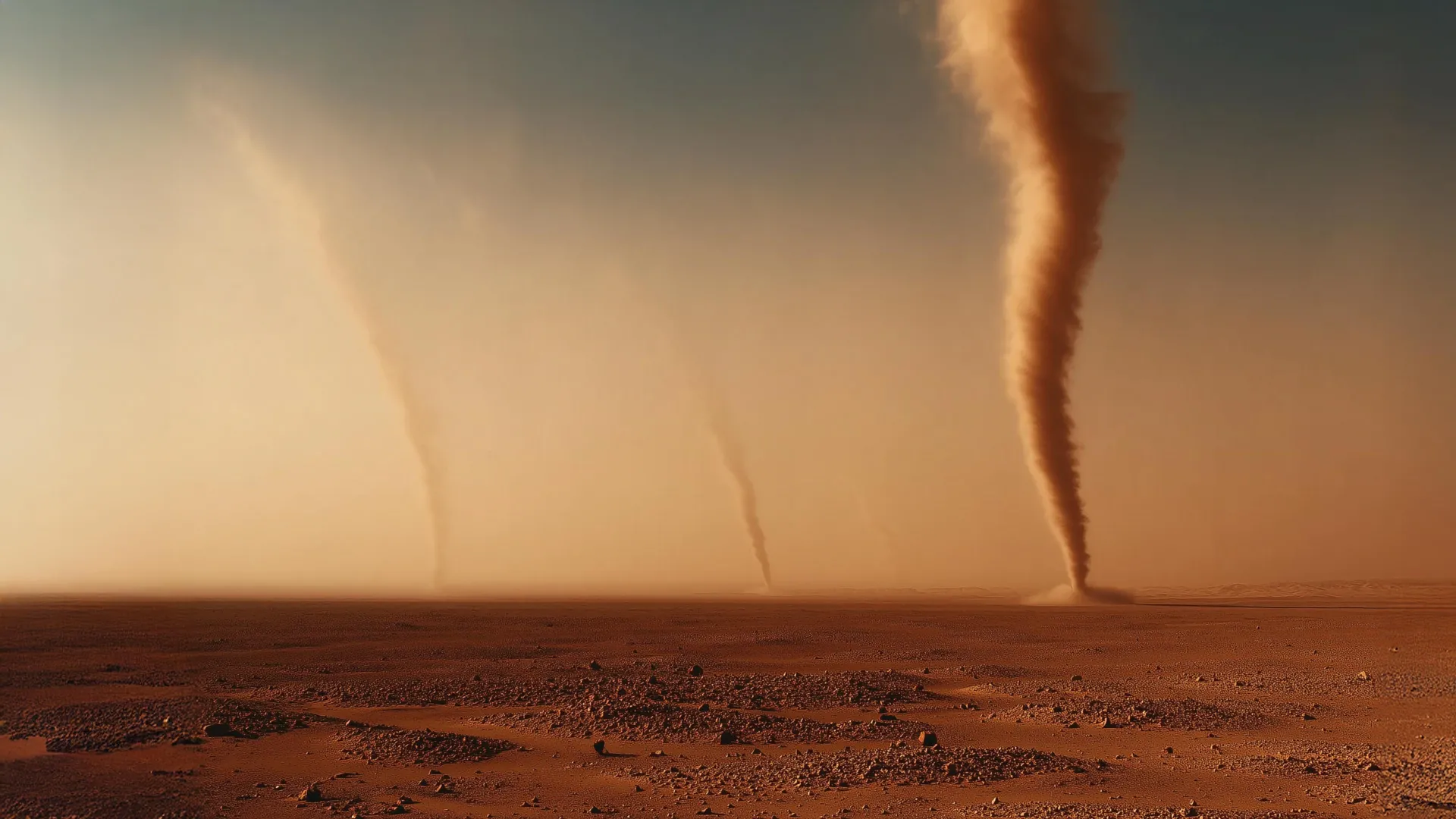
Mars may appear as a quiet, dusty desert world, but new research reveals it's actually buzzing with hidden electrical activity that significantly shapes the planet's chemistry. Powerful dust storms and swirling dust devils generate static electricity strong enough to create faint glowing discharges across the Martian surface, triggering chemical reactions that produce unexpected compounds and leave behind distinct isotopic fingerprints that scientists can detect from Earth and space.
Planetary scientist Alian Wang at Washington University in St. Louis has been investigating this phenomenon through detailed laboratory simulations that recreate Martian atmospheric conditions. Her research, including recent work published in Earth and Planetary Science Letters, demonstrates how electrically charged dust activities influence the planet's chemistry, particularly through their impact on isotopes and the formation of various chemical compounds that spacecraft have detected across Mars.
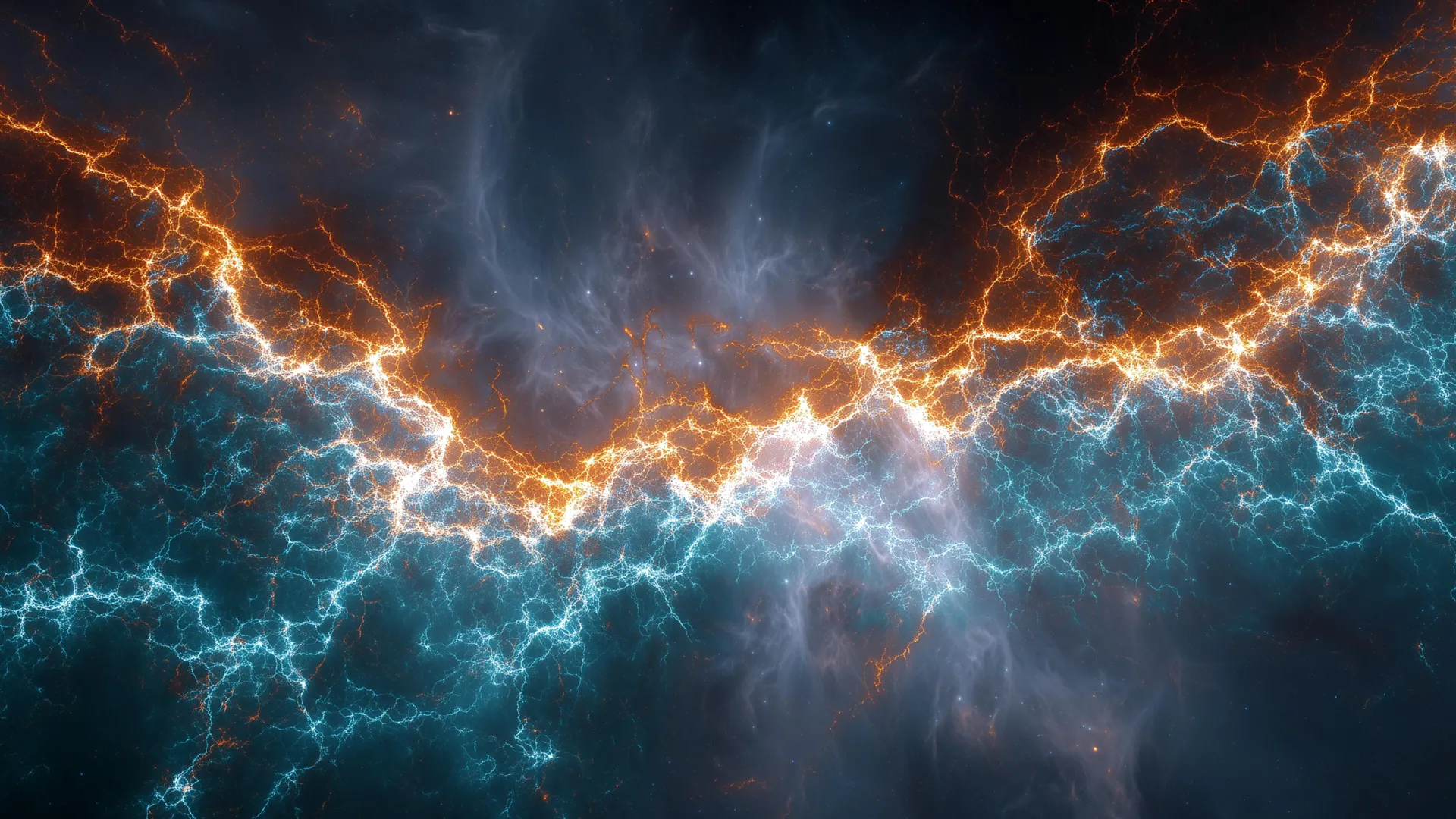
When dust particles collide and rub together in Martian storms, they build up static electricity that creates strong electrical fields capable of triggering electrostatic discharges. Because Mars has extremely low atmospheric pressure compared to Earth, these discharges occur more easily and can produce subtle glowing effects somewhat similar to auroras. These electrical events set off chains of electrochemical reactions that play important roles in shaping both the planet's surface composition and atmospheric chemistry.
Using specialized simulation chambers called PEACh (Planetary Environment and Analysis Chamber) and SCHILGAR (Simulation Chamber with InLine Gas AnalyzeR), Wang's team has observed a wide range of chemical products formed during these electrical discharges. The reactions produce volatile chlorine species, activated oxides, airborne carbonates, and perchlorates—all key components of Mars' modern chemical environment that spacecraft missions have documented across the planet's surface.
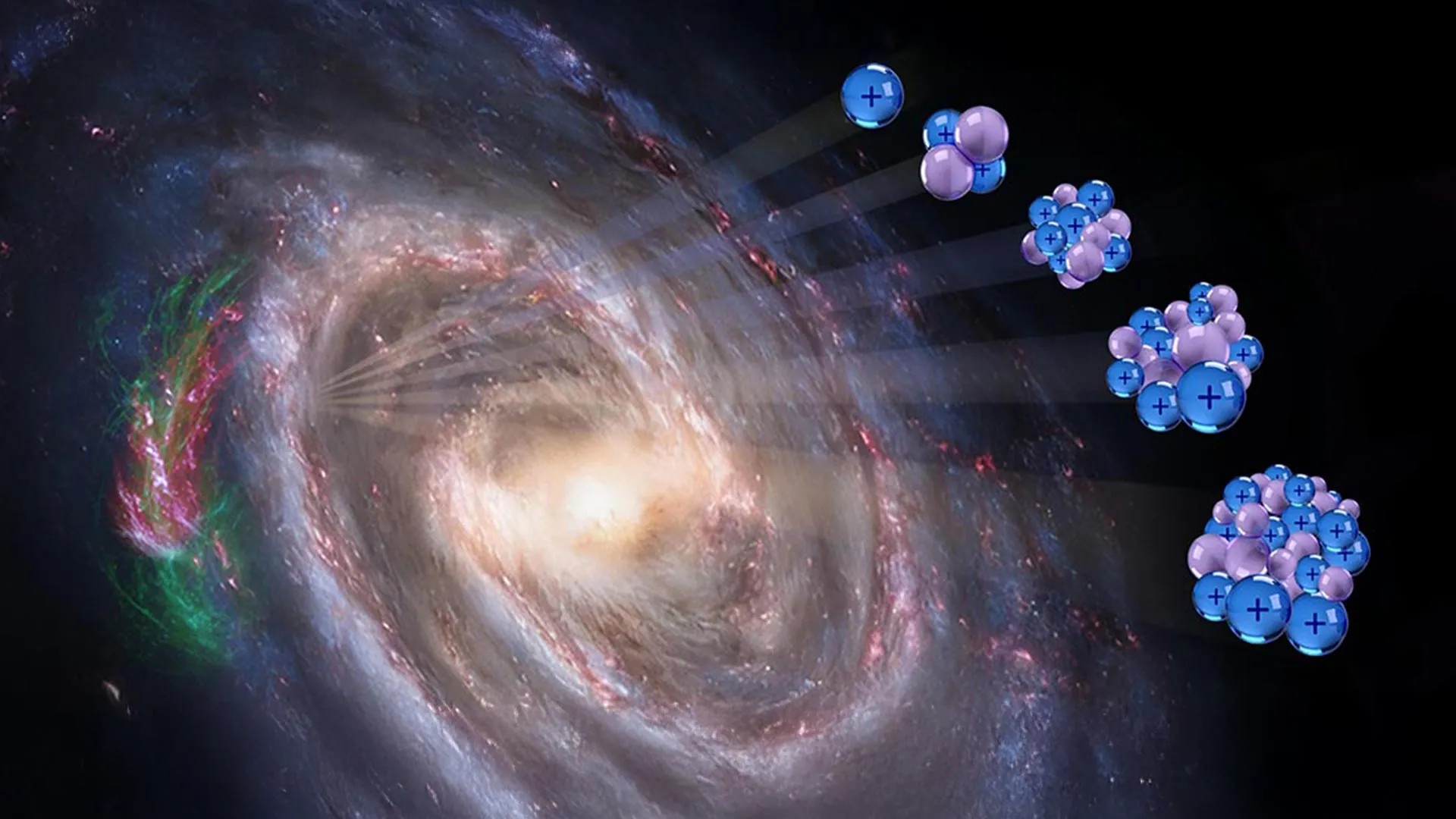
The research has revealed that dust-driven electrical activity plays a major role in Mars' chlorine cycle, processing widespread chloride deposits left behind by ancient salty water. The team's isotopic analysis found consistent depletion of heavier isotopes of chlorine, oxygen, and carbon produced by these discharges, providing a chemical signature that helps scientists understand how these processes have operated throughout Martian history and continue shaping the planet today.