Scientists Discover Adorable Baby Dinosaur in South Korea Named After Cartoon Character
CT scans reveal hidden skull and stomach stones in first new Korean dinosaur species identified in 15 years.
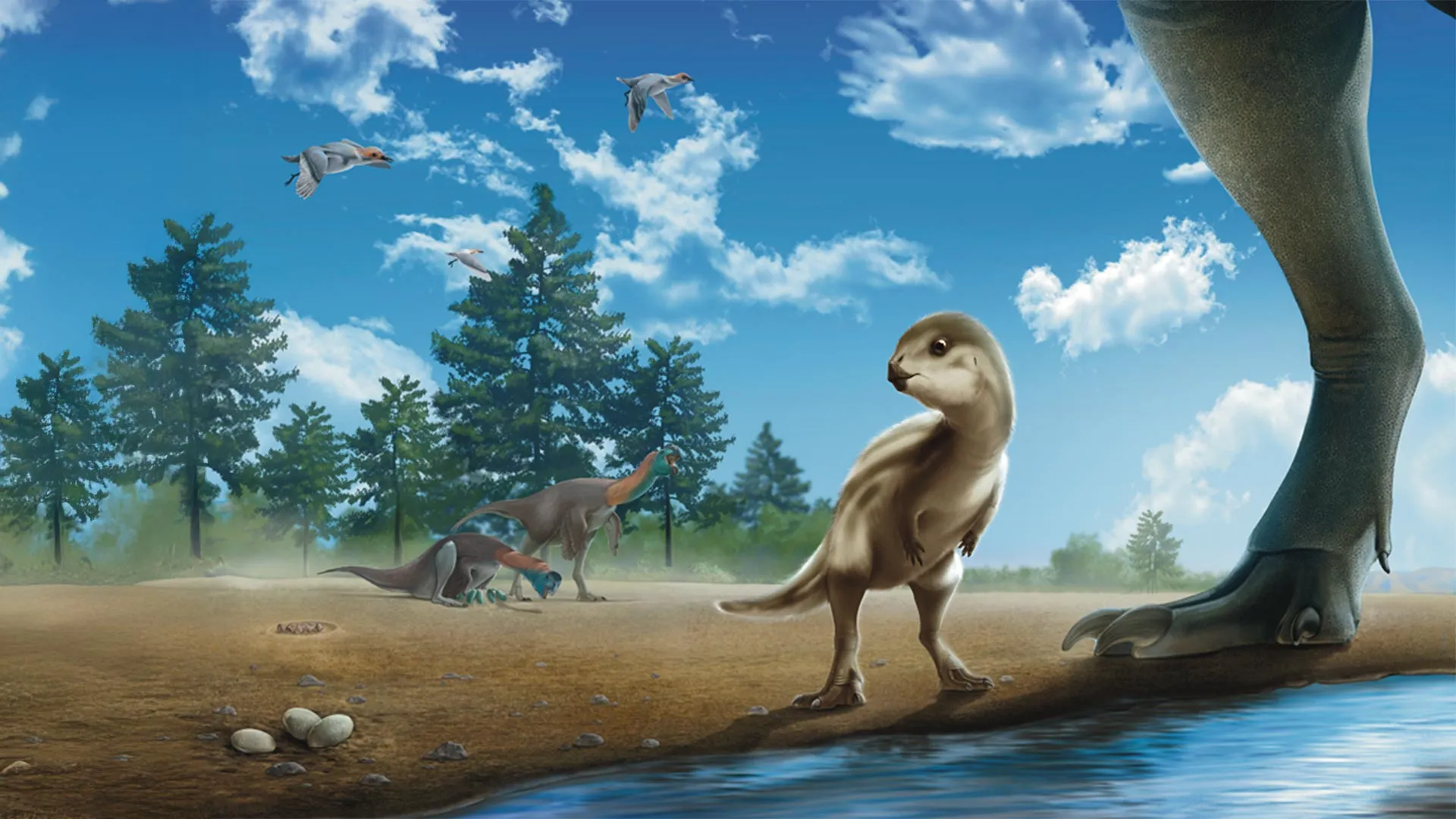
Scientists have uncovered a rare baby dinosaur in South Korea and named it Doolysaurus after Dooly, a beloved green cartoon dinosaur character known to generations of Koreans. The discovery marks the first new dinosaur species identified in South Korea in 15 years and represents the first fossil from the country to include parts of a dinosaur skull.
The young dinosaur, officially named Doolysaurus huhmini, was about two years old when it died and measured roughly the size of a turkey. Scientists believe adults of the species may have been twice as large. The fossil was discovered in 2023 by co-author Hyemin Jo on Aphae Island, initially revealing only a few leg bones and vertebrae embedded in rock.
"Dooly is one of the very famous, iconic dinosaur characters in Korea. Every generation in Korea knows this character," said Jongyun Jung, a visiting postdoctoral researcher at UT's Jackson School of Geosciences who led the research. "And our specimen is also a juvenile or 'baby', so it's perfect for our dinosaur species name to honor Dooly."
Using advanced micro-CT scanning technology at the University of Texas High-Resolution X-ray Computed Tomography facility, researchers discovered much more hidden inside the rock than initially visible. The scans revealed skull fragments, additional bones, and even stomach stones called gastroliths, which indicated the young dinosaur ate a varied diet of plants and small animals.
The research team believes Doolysaurus may have been covered in soft, fuzzy filaments, leading study co-author Julia Clarke to describe it as potentially looking "a bit like a little lamb." The dinosaur lived between 113 and 94 million years ago during the mid-Cretaceous period and has been classified as a thescelosaurid, a group of two-legged dinosaurs. The discovery suggests that many more dinosaurs may still be hidden in Korea's rocks, waiting to be found through similar advanced scanning techniques that can reveal fossils in just months rather than the years required for manual extraction.


/https://tf-cmsv2-smithsonianmag-media.s3.amazonaws.com/filer_public/3c/1f/3c1f6ba0-0486-41be-90f9-b9d192cfd29a/notebook-and-fossil.jpeg)