SAVE America Act Senate Battle Pits Trump's 'Election Guarantee' Against Democratic Warnings of Mass Disenfranchisement
The Republican-backed bill requiring proof of citizenship to register and photo ID to vote is stalled in the Senate at 51 votes — short of the 60 needed — setting up a defining clash over American democracy ahead of the 2026 midterms.
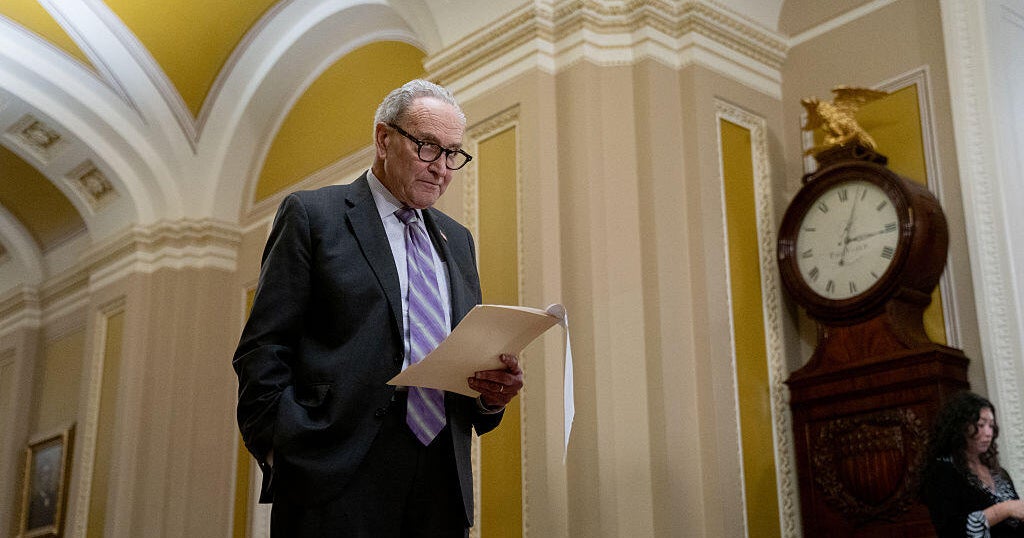
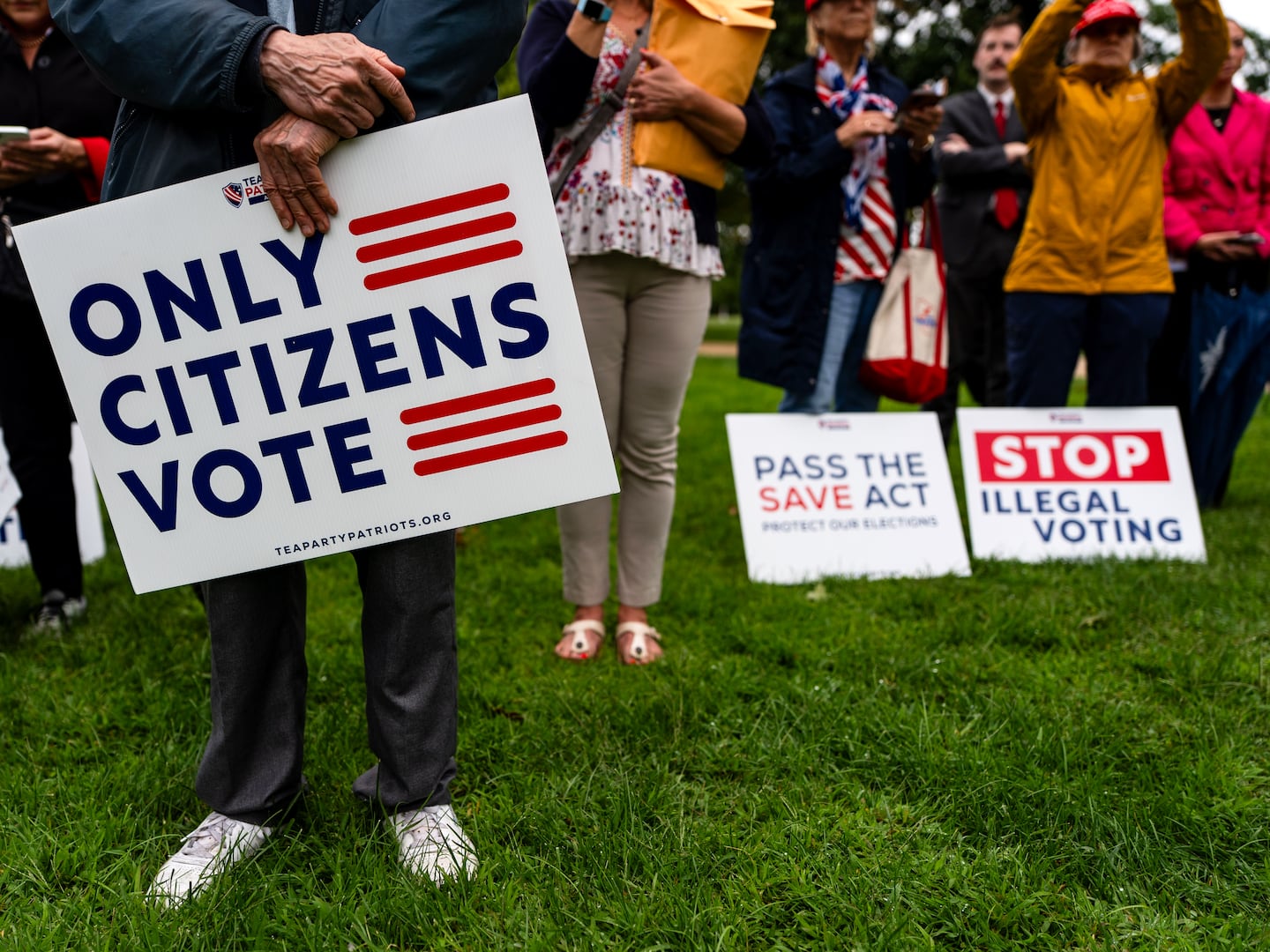
The battle over the SAVE America Act — President Trump's signature elections legislation requiring proof of citizenship to register to vote and a photo ID to cast a ballot in federal elections — is emerging as one of the defining political fights of 2026, with Democrats warning the bill would disenfranchise millions of eligible Americans while Republicans argue it is essential to election security. The Senate opened debate on the bill on March 17 after a 51-to-48 procedural vote to advance it, but the legislation faces steep odds of passing the upper chamber without 60 votes to overcome a filibuster — a threshold Republicans cannot reach without Democratic support that remains all but nonexistent.
Trump renamed the bill from the "SAVE Act" to the "SAVE America Act" earlier this month, telling House Republicans at a private meeting that passing the legislation was not optional. "It will guarantee the midterms. If you don't get it, big trouble," the president said, according to sources familiar with the exchange. The president's framing of the bill as a midterm election tool alarmed Democrats and some independent observers, who noted that Trump's stated rationale appeared to be electoral advantage rather than fraud prevention. Former President Barack Obama warned in a statement released this week that "free and fair elections are the cornerstone of our democracy, but right now they are under threat."
The bill's requirements are sweeping. Under the SAVE America Act, voters seeking to register for federal elections would be required to present documentary proof of U.S. citizenship — such as a passport, birth certificate, or similar document — in addition to a photo ID with a visible expiration date. Mail-in voting would be effectively ended at the federal level. Supporters argue the measures are straightforward security enhancements; critics, including voting rights groups like the Brennan Center for Justice, contend that millions of Americans — disproportionately low-income, elderly, and minority voters — lack the required documents and would be effectively barred from participating in elections.
An amendment by Republican Senator Mike Lee that would have added a standalone photo ID requirement to the existing bill failed in a 53-to-47 vote, in what opponents framed as a procedural warning that the votes for the full package remain elusive. Republican Senator Lisa Murkowski of Alaska has repeatedly joined Democrats in opposing cloture on the legislation, all but ensuring it cannot reach the 60-vote threshold under current Senate rules. Senate Republicans have discussed whether to modify filibuster rules to advance the bill with a simple majority, a move that has drawn fierce opposition from Democratic leadership.
The CNN analysis released Saturday connected the SAVE America Act directly to the broader Democratic strategy for the 2026 midterm elections. Party strategists argue that the legislation — along with the ongoing Iran war, rising gas prices, and the DHS shutdown — is creating a potent political environment that could produce significant Democratic gains in November. With key Senate and House seats at stake, the SAVE America Act has become a fundraising driver for both parties. Florida became the first state to independently pass proof-of-citizenship voting legislation this month, in what analysts described as a preview of Republican strategy at the state level if the federal bill stalls. The fight over who gets to vote in American elections appears to be just beginning.